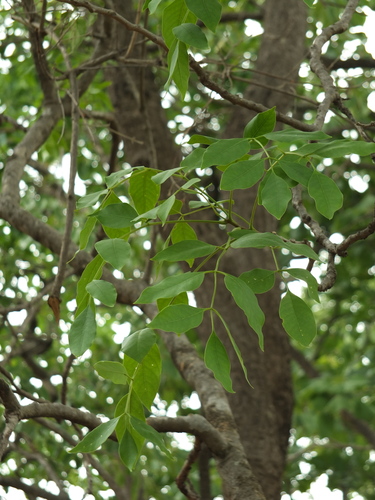
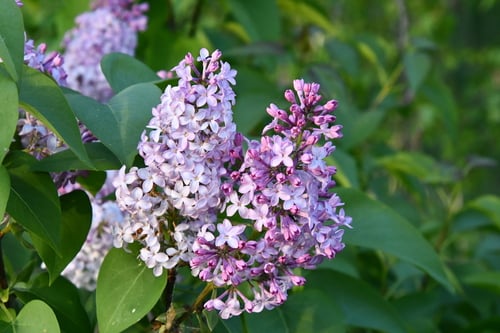
Jasminum odoratissimum
L.
Madeira jasmine
iNaturalist· cc-by
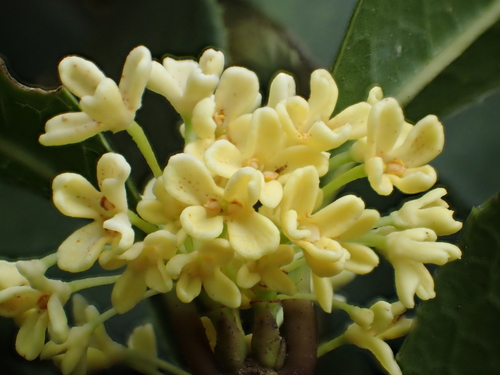
(c) Vítor Jorge, some rights reserved (CC BY)
iNaturalist· cc-by
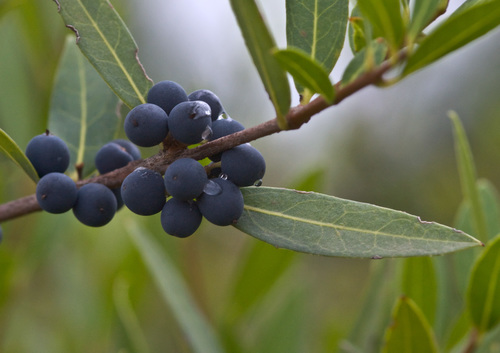
(c) Vítor Jorge, some rights reserved (CC BY)
iNaturalist· cc-by
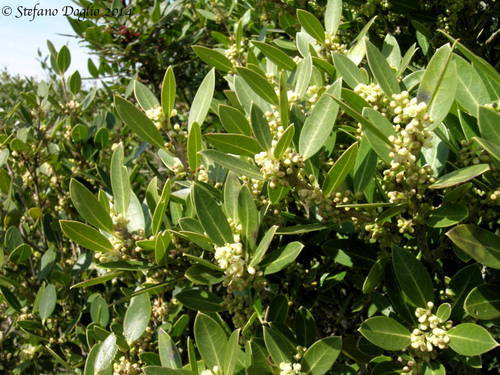
(c) Vítor Jorge, some rights reserved (CC BY)
Summary
Source: WikipediaA deciduous shrub with hermaphrodite flowers pollinated by insects, hardy to UK zone 9. Suitable for light sandy, medium loamy, and heavy clay soils with well-drained preference across acidic to basic pH levels. Grows in semi-shade or full sun and prefers moist soil conditions.
Description
A deciduous shrub with hermaphrodite flowers pollinated by insects, hardy to UK zone 9. Suitable for light sandy, medium loamy, and heavy clay soils with well-drained preference across acidic to basic pH levels. Grows in semi-shade or full sun and prefers moist soil conditions.
Edible Uses
The flowers of Jasminum odoratissimum are used for flavouring or scenting tea.
Traditional Uses
The flowers are used for flavouring and scenting tea.
This uses section is brief — help expand it
Medicinal Uses
None known.
Distribution
It is a temperate plant.
Where It Grows
Atlantic, Canary Islands, Europe, France, Madeira, Mediterranean, Portugal, Taiwan,
Cultivation
We have almost no information on this species, though one report says that it can succeed outdoors in the mildest areas of Britain. Most members of this genus succeed in a good well-drained loam. The flowers have a heavy sweet perfume. The plant is cultivated in warm temperate areas for the essential oil obtained from the flowers. Plants in this genus are notably resistant to honey fungus.
Propagation
Seed is best sown as soon as it is ripe in a cold frame. When large enough to handle, prick seedlings out into individual pots and grow on in the greenhouse for at least their first winter, then plant out in late spring or early summer after the last expected frosts. Cuttings of half-ripe wood taken in July or August and rooted in a frame are very easy. Cuttings of mature wood can be taken in November. Layering is also suitable.
Other Uses
An essential oil extracted from the flowers is used in perfumery. Flowers are picked soon after opening each morning and used fresh for oil extraction.
Synonyms
Also Known As
Yellow jasmine
References (4)
- Facciola, S., 1998, Cornucopia 2: a Source Book of Edible Plants. Kampong Publications, p 163
- Seidemann J., 2005, World Spice Plants. Economic Usage, Botany, Taxonomy. Springer. p 187
- Sp. pl. 1:7. 1753
- Tanaka,