Jasminum humile
Linnaeus
Italian yellow jasmine
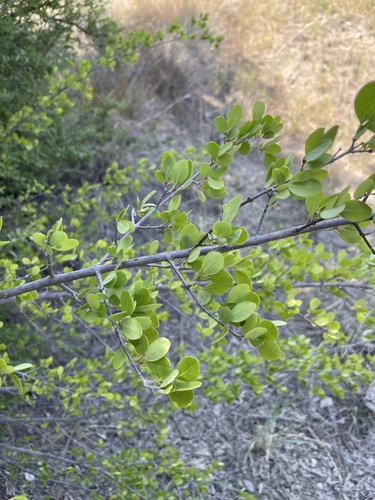
iNaturalist· cc-by-nc
(c) memopob, some rights reserved (CC BY-NC)
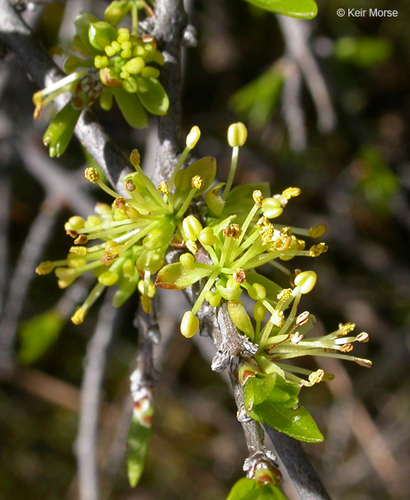
iNaturalist· cc-by-nc
(c) memopob, some rights reserved (CC BY-NC)
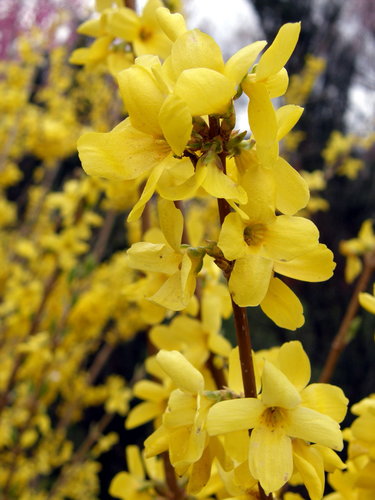
iNaturalist· cc-by-nc
(c) Vyacheslav Luzanov, some rights reserved (CC BY-NC)
Summary
Source: WikipediaAn evergreen shrub growing to 3 m tall and wide with hermaphrodite flowers pollinated by insects, flowering July to August, hardy to UK zone 8. Tolerates light sandy, medium loamy, and heavy clay soils with well-drained preference across acidic to basic pH ranges. Grows in semi-shade or full sun, adapting to both dry and moist soil conditions.
Description
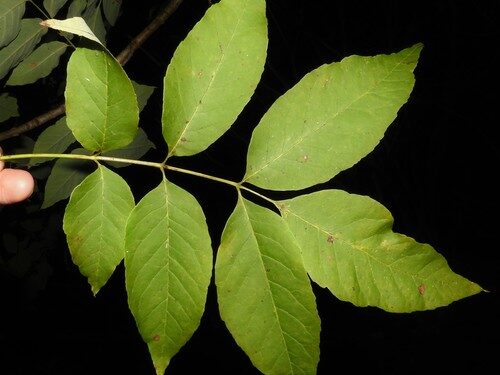
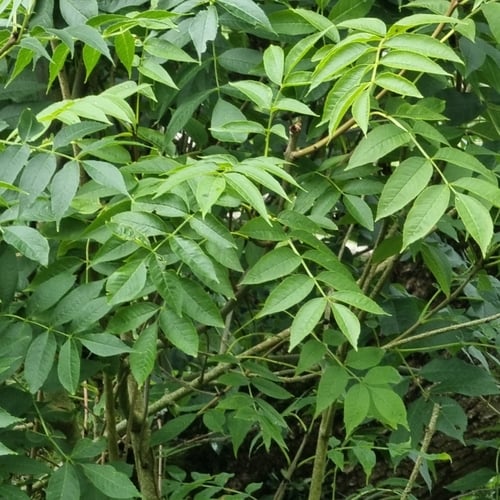
A shrub. It grows 1-3 m tall. The branches arch over. The leaves are alternate. They are compound with leaflets along the stalk. The flowers are yellow. The fruit are glossy black berries. They need to be cross fertilised from other plants. Probably now Chrysojasminum humile.
Edible Uses
The leaves of Jasminum humile are used as a condiment. A tea is also made from the leaves and bark.
Traditional Uses
The leaves are used as a condiment. The flowers are used as flavouring. The leaves and bark are also used for tea.
This uses section is brief — help expand it
Medicinal Uses
The flowers are astringent and act as a tonic for the heart and bowels. A paste made from the flowers is considered effective for treating intestinal problems. The juice of the root is used in the treatment of ringworm. The milky juice of the plant is used to destroy the unhealthy lining walls of chronic sinuses and fistulas.
Distribution
A warm temperate plant. In Pakistan it grows between 1,00-3,000 m altitude. In China it grows between 1,100-3,800 m above sea level. In Sichuan and Yunnan.
Where It Grows
Afghanistan, Africa, Asia, Central Asia, China, East Africa, Hawaii, Himalayas, India, Myanmar, Nepal, Pacific, Pakistan, Russia, SE Asia, Tajikistan, Tibet, USA,
Cultivation
Succeeds in a good well-drained loam in a sunny position. Tolerates light shade. Tolerates most soil types, including dry soils once it is established. This species is not very cold hardy, tolerating temperatures down to about -10°c. It requires some protection such as a warm wall when grown outdoors in Britain. There are some named varieties selected for their ornamental value. The flowers are slightly scented. Plants produce suckers and these can sometimes be invasive. Pruning can be carried out in early to mid spring. Removing one third of the oldest growth down to ground level rejuvenates the plant and encourages greater flowering. Plants in this genus are notably resistant to honey fungus.
Propagation
Seed is best sown as soon as it is ripe in a cold frame. When large enough to handle, prick seedlings out into individual pots and grow them on in a greenhouse for at least their first winter, then plant out in late spring or early summer after the last expected frosts. Cuttings of half-ripe wood can be taken in July or August and rooted in a frame — this is very easy. Cuttings of mature wood can be taken in November. Layering is also an option.
Other Uses
The wood is even-grained and moderately hard. The plant also has parasiticide properties.
Synonyms
Also Known As
Hawaian pikake melemele, Raggul cha
References (9)
- Facciola, S., 1998, Cornucopia 2: a Source Book of Edible Plants. Kampong Publications, p 163
- Flora of Pakistan. www.eFloras.org
- Green, P. S., 2003, Synopsis of the Oleaceae from the Indian Sub-Continent. Kew Bulletin, Vol. 58, No. 2 (2003), pp. 257-295
- Kunkel,
- Kunwar, R.M., et al, 2012, Underutilized Plant Species in Far West Nepal. J. Mt. Sci. (2012) 9:589-600
Show all 9 references Hide references
- Seidemann J., 2005, World Spice Plants. Economic Usage, Botany, Taxonomy. Springer. p 187
- Sp. pl. 1:7. 1753
- Staples, G.W. and Herbst, D.R., 2005, A tropical Garden Flora. Bishop Museum Press, Honolulu, Hawaii. p 441
- Wild edible plants of Himachal Pradesh