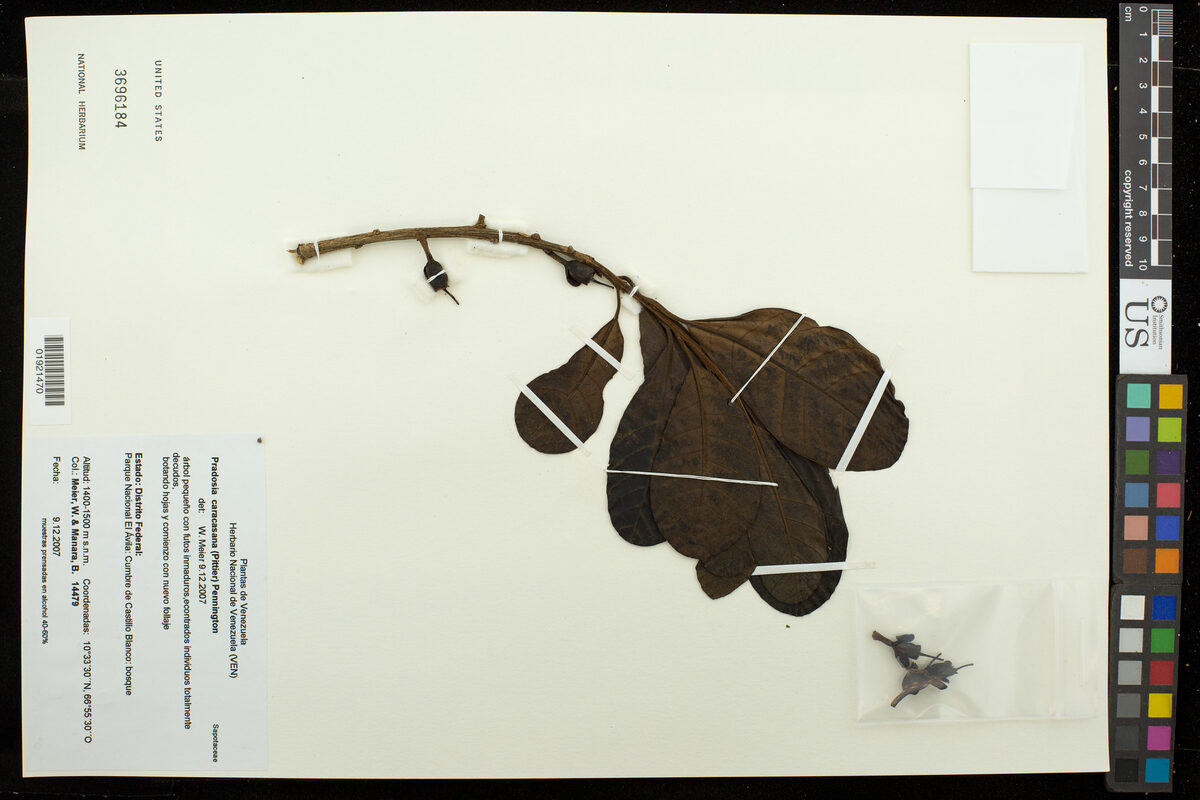
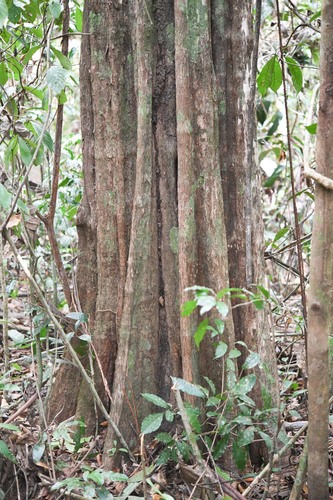
Manilkara discolor - (Sond.) J.H.Hemsl.
(Sond.) J.H.Hemsl.
Red milkwood, Silvery milkwood
gbif· cc-by-nc
Sharon Louw
gbif· cc-by-nc
Sharon Louw
gbif· cc-by-nc
magdastlucia
Description
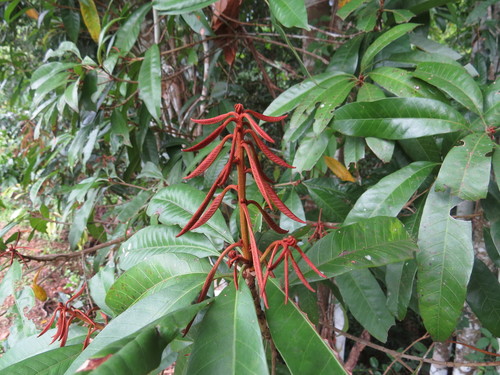
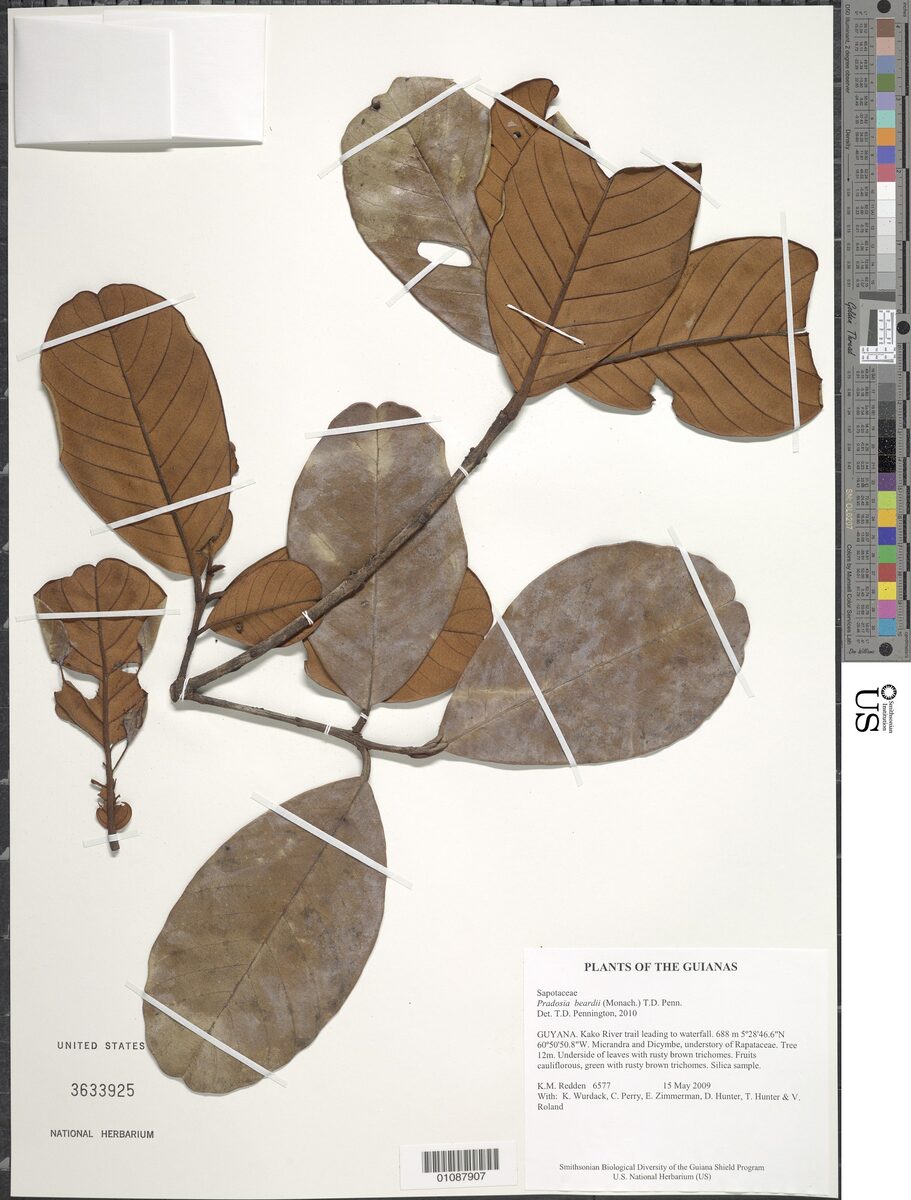
Manilkara discolor is an evergreen Tree growing to 20 m (65ft) by 20 m (65ft) at a medium rate. See above for USDA hardiness. It is hardy to UK zone 10. The flowers are pollinated by Bees. Suitable for: light (sandy), medium (loamy) and heavy (clay) soils and prefers well-drained soil. Suitable pH: mildly acid, neutral and basic (mildly alkaline) soils. It can grow in semi-shade (light woodland) or no shade. It prefers dry or moist soil.
Edible Uses
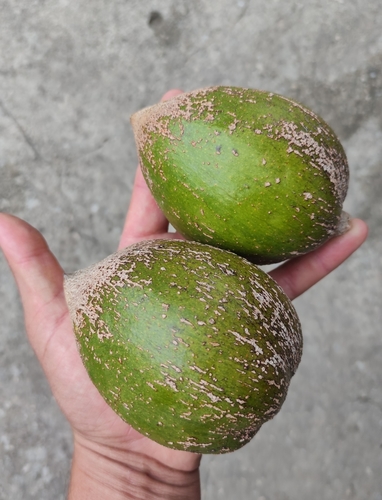
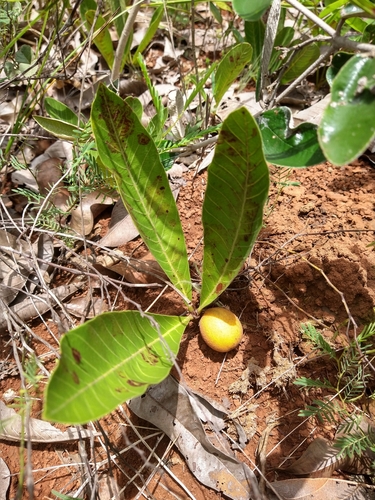
Fruit - raw. The juicy, fleshy pulp is very tasty. Eaten as a snack, especially by children and travellers, the seeds are discarded. The yellow to red, fleshy, oval berries are up to 13mm in diameter, enclosing an oval flattened pale-coloured seed.
Distribution
East tropical Africa - Kenya, Tanzania, Malawi, Mozambique, Zimbabwe, S. Africa.
Where It Grows
AFRICA: Kenya, Kwa. Zulu-Natal, Malawi, Mozambique, Tanzania, Zimbabwe.
Cultivation
Prefers a well-drained soil.
Propagation
Seed -
Other Uses
Fuel Latex Wood. Agroforestry Uses: The tree is good for shade. Other Uses The plant exudes a white latex. The wood is hard. It is used for poles, tool handles, carvings and spoons. The wood is used for fuel.
Synonyms
Also Known As
Red milkwood, Silvery milkwood, Forest milkberry, Inheua, Manematfole, Masematfole, Mgama, Mgamba, Mghambo, Mkwichimbo, Muapo, Muraita, Nheu:a, Nhuebe, Nueve, Tineve, Tinguele, Umnweba, forest milkberry, bosmelkbessie.