Sideroxylon lanuginosum
Michx.
Woolly buckthorn
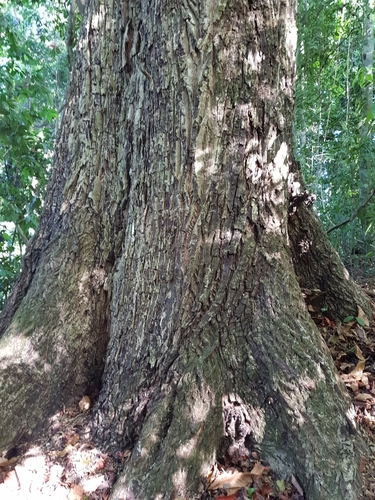
iNaturalist· cc-by-nc
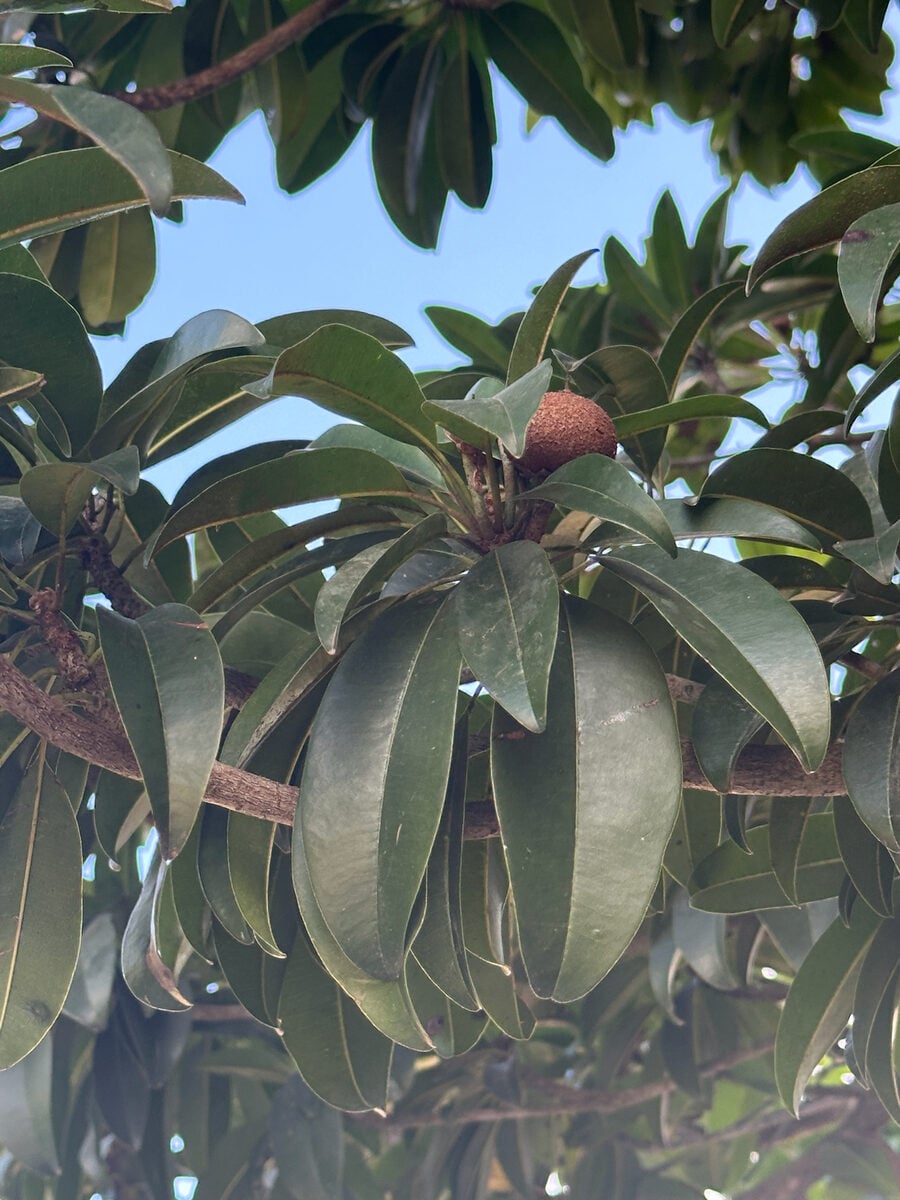
(c) Valerie Dalton, some rights reserved (CC BY-NC), uploaded by Valerie Dalton
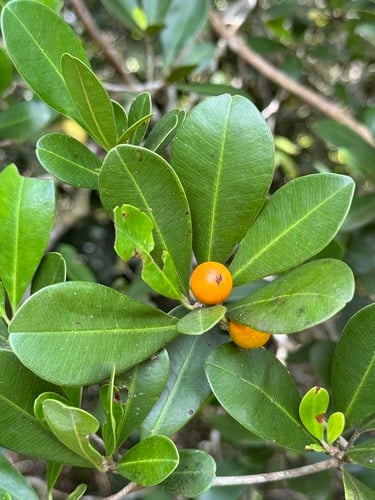
iNaturalist· cc-by-nc
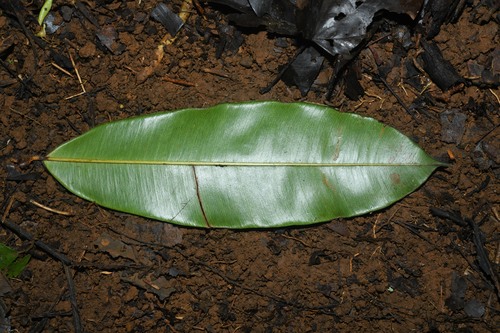
(c) Ron Stephens, some rights reserved (CC BY-NC), uploaded by Ron Stephens
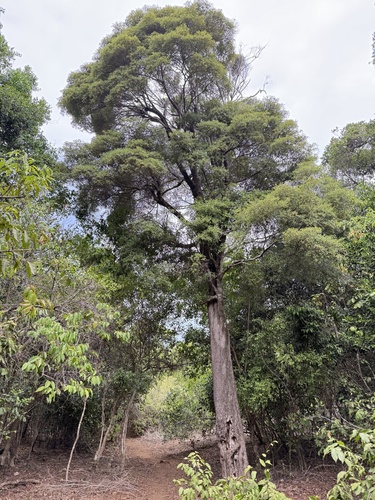
iNaturalist· cc-by-nc
(c) animan, some rights reserved (CC BY-NC), uploaded by animan
Summary
Source: WikipediaSideroxylon lanuginosum is a shrub or small tree of the family Sapotaceae. It is native to the Sun Belt and Midwest of the United States as well as Northeastern Mexico. Common names include gum bully, black haw, chittamwood, chittimwood, shittamwood, false buckthorn, gum bumelia, gum elastic, gum woolybucket, woolybucket bumelia, wooly buckthorn, wooly bumelia, ironwood and coma. The fruit of Bumelia lanuginosa is edible but can cause stomach aches or dizziness if eaten in large quantities. The Kiowa and Comanche tribes both consumed them when ripened. Gum from the trunk of the tree is sometimes chewed by children.
Description
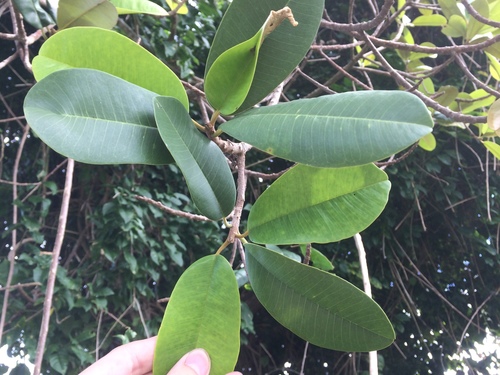
A tree. It grows 18 m high. It is usually smaller in cultivation. It loses its leaves in cooler regions but stays evergreen in warmer places. It has a tall narrow crown. The bark is scaly and dark brown. The leaves are small and blunt tipped. They are shiny dark green on the upper surface and are densely woolly underneath. The flowers are 3 mm wide. They are bell shaped and have a 5-lobed white corolla. The fruit are purplish black. They are 12-25 mm long.
Edible Uses
The fruit can be eaten fresh or ground and mixed with water to make a soft drink. The gum is also chewed.
Traditional Uses
The gum is chewed. The fruit can be eaten. The fruit are ground and mixed with water as a soft drink. CAUTION: If the fruit are eaten in a large quantities they can cause dizziness and stomach upsets.
Known Hazards
Eating the fruit in large quantities can cause dizziness and stomach upsets.
Distribution
It is a temperate and subtropical plant. It grows in valleys and rocky slopes. It usually grows to 760 m altitude in SE of the USA. It suits hardiness zones 6-11.
Where It Grows
Central America, Mexico, North America, Slovenia, USA,
Notes
There are about 25 Bumelia species. The Bumelia may be merged with the Sideroxylon.