Corylus avellana pontica - (C.Koch.)Winkl.
(C.Koch.)Winkl.
gbif· cc-by-nc-sa
MBG
gbif· cc-by
Moscow State University (copyright is managed by Dr. Alexey P. Seregin)
gbif· cc-by
The New York Botanical Garden
Description
Corylus avellana pontica is a deciduous Tree. It is in flower from April to May, and the seeds ripen from September to October. The species is monoecious (individual flowers are either male or female, but both sexes can be found on the same plant) and is pollinated by Wind. The plant is self-fertile. Suitable for: light (sandy), medium (loamy) and heavy (clay) soils. Suitable pH: mildly acid, neutral and basic (mildly alkaline) soils and can grow in very alkaline soils. It can grow in semi-shade (light woodland) or no shade. It prefers moist soil. The plant can tolerates strong winds but not maritime exposure.
Edible Uses
Milk Oil Oil. Seed - raw or roasted and used in breads, cakes, biscuits, sweets etc. They can also be liquidized and used as a plant milk. Rich in oil. The seed ripens in mid to late autumn and will probably need to be protected from squirrels. When kept in a cool place, and not shelled, the seed should store for at least 12 months. A clear yellow edible oil is obtained from the seed. It is used in salad dressings, baking etc.
Medicinal Uses
Miscellany. None known
Distribution
E. Europe to Asia.
Where It Grows
Coming Soon
Cultivation
An easily grown plant, it succeeds in most soils, but is in general more productive of seeds when grown on soils of moderate fertility. It does less well in rich heavy soils or poor ones. Does well in a loamy soil. Very suitable for an alkaline soil, but it dislikes very acid soils. Plants are fairly wind tolerant. Members of this genus bear transplanting well and can be easily moved even when relatively large.
Propagation
Seed - best sown as soon as it is harvested in autumn in a cold frame. Germinates in late winter or spring. Stored seed should be pre-soaked in warm water for 48 hours and then given 2 weeks warm followed by 3 - 4 months cold stratification. Germinates in 1 - 6 months at 20°c. When large enough to handle, prick the seedlings out into individual pots and grow them on in a cold frame or sheltered place outdoors for their first winter. Plant them out into their permanent positions in late spring or early summer. Layering in autumn. Easy, it takes about 6 months. Division of suckers in early spring. Very easy, they can be planted out straight into their permanent positions.
Other Uses
Basketry Charcoal Hedge Hedge Miscellany Oil Oil Plant support Polish Wood. The seed contains up to 65% of a non-drying oil, used in paints, cosmetics etc. The whole seed can be used to polish and oil wood. Very easy and effective. Plants can be grown as a tall hedge. They need to be left untrimmed or only lightly trimmed if seed is required. Wood - soft, easy to split, not very durable, beautifully veined. Used for inlay work, small items of furniture, hurdles, wattles, basketry, pea sticks etc[7, 13, 23, 46, 61, 63, 66, 125]. The twigs are used as dowsing rods by water diviners. The wood also yields a good quality charcoal, used by artists.
Synonyms
More from Betulaceae
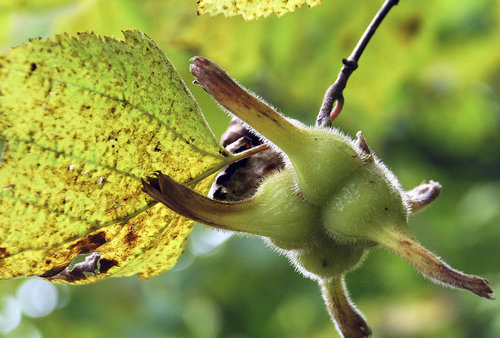
Corylus mandshurica
Manchurian hazel nut
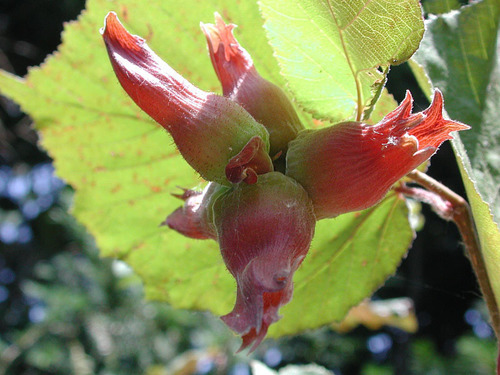
Corylus maxima
Filbert tree, Giant filbert, Purple-leaf hazel
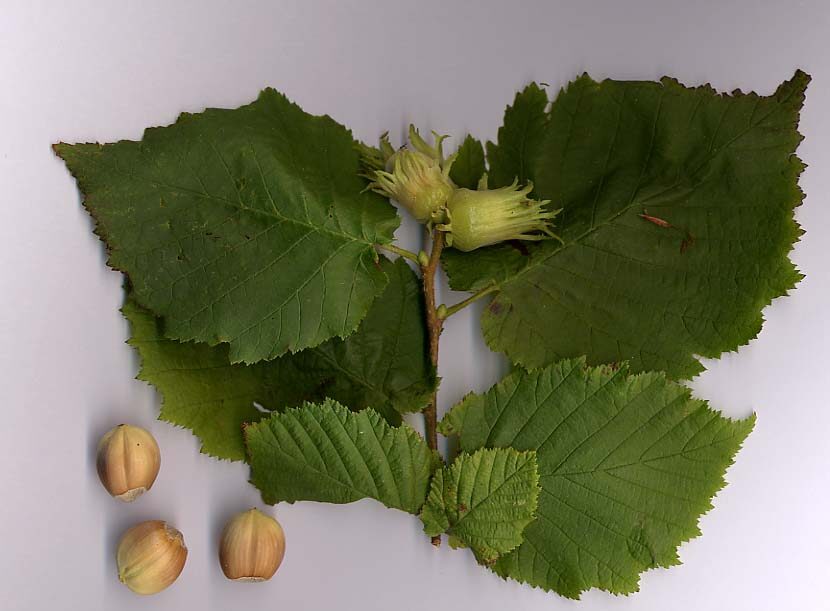
Corylus sieboldiana
Japanese hazel, Siebold's hazel
Corylus sieboldiana mandschurica - (Maxim.&Rupr.)Sc
Hairy hazel, Japanese hazelnut
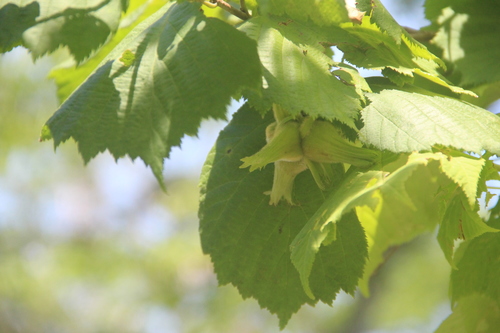
Corylus sieboldiana subsp. mandschurica
Hairy hazel, Japanese hazelnut
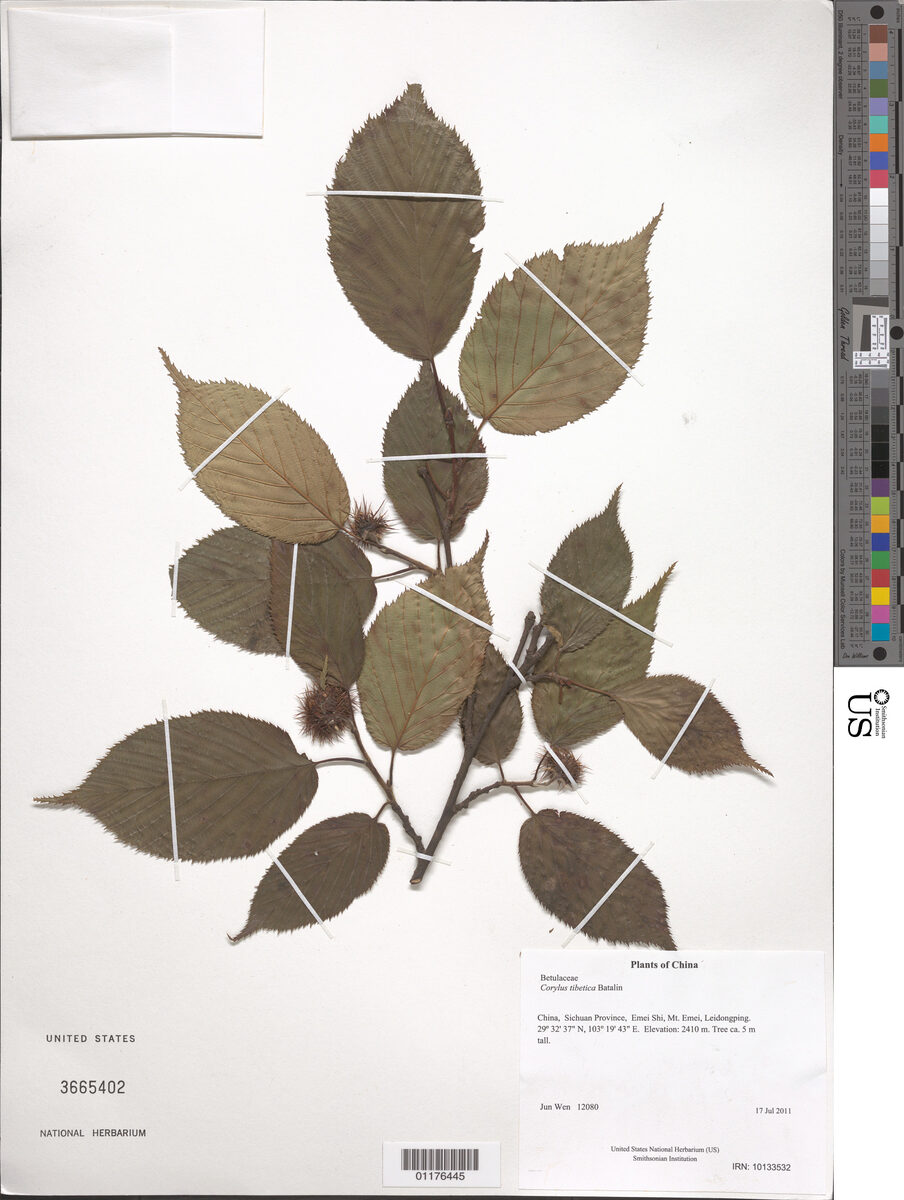
Corylus tibetica
Tibetan Hazelnut