Betula kenaica
W. H. Evans
Kenai Birch, Alaskan Paper Birch
iNaturalist· cc-by
(c) Matt Bowser, some rights reserved (CC BY)
iNaturalist· cc-by
(c) Matt Bowser, some rights reserved (CC BY)
iNaturalist· cc-by
(c) Matt Bowser, some rights reserved (CC BY)
Summary
Source: WikipediaBetula kenaica, or Kenai birch, is a species of birch that can be found in Alaska and northwestern North America up to 300 m (980 ft) above sea level.
Description
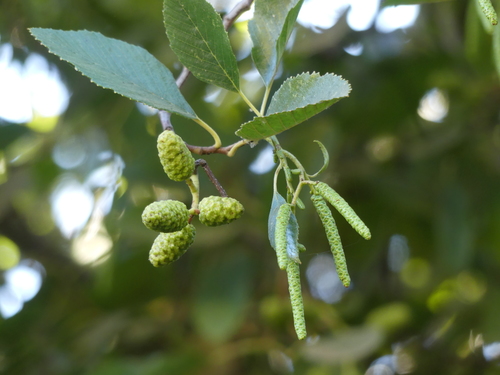
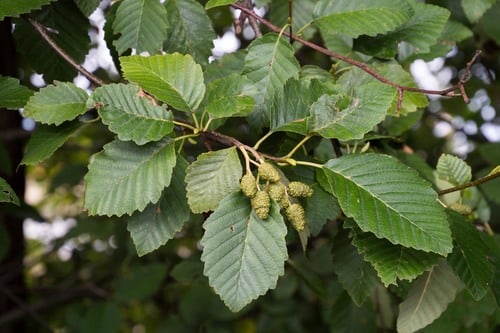
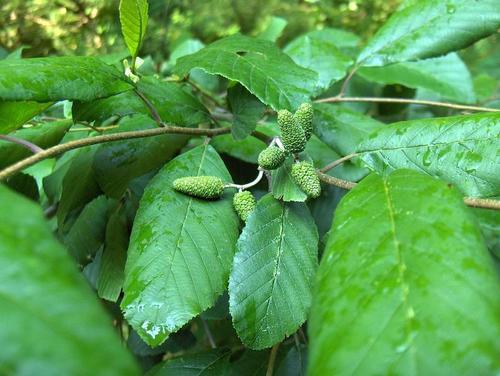
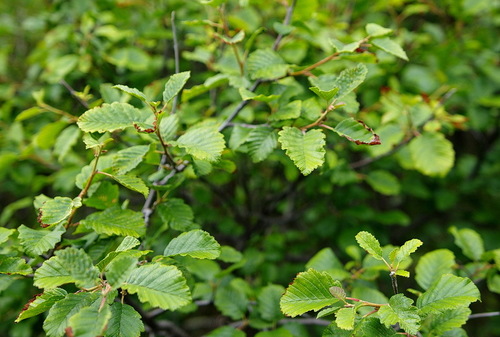
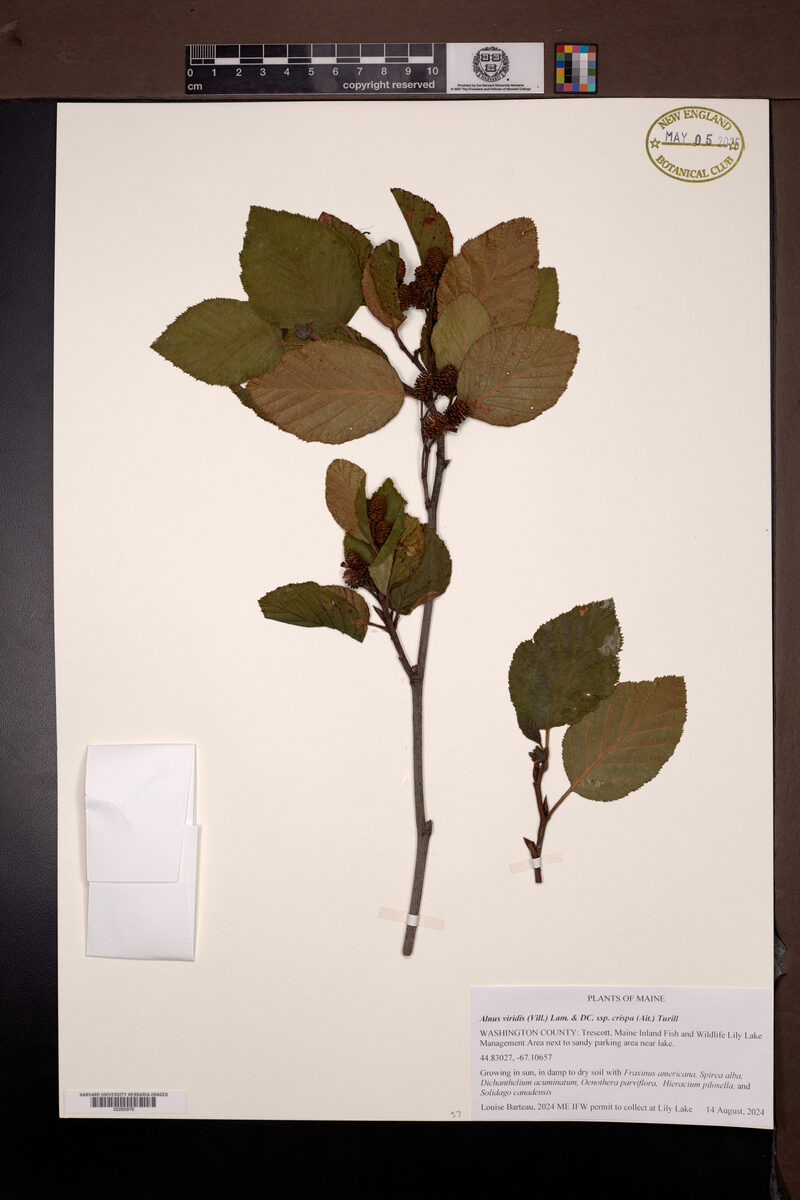
A small tree. It grows 9-12 m high and spreads 6-9 m wide. It has a narrow crown. It looses its leaves during the year. The leaves are oval or triangular. They have coarse teeth. It is shiny dark green above and light yellowish-green underneath. The flowers are in catkins with male and female flowers separate. The male ones are 2.5 long and the female ones 2.5 cm long on stiff stalks.
Edible Uses
Edible Parts: Flowers Inner bark Leaves Sap Edible Uses: Condiment Young leaves and catkins - raw. The buds and twigs are used as a flavouring in stews. Inner bark - raw or cooked. Best in spring. Inner bark can be dried and ground into a powder and then used as a thickener in soups etc or added to flour when making bread, biscuits etc. Inner bark is generally only seen as a famine food, used when other forms of starch are not available or are in short supply. Sap - raw or cooked. It can be used as a refreshing drink, or can be concentrated by boiling to make a syrup. It is tapped in late winter, the flow is best on sunny days following a heavy frost. The sap can be fermented into a beer. An old English recipe for the beer is as follows:- "To every Gallon of Birch-water put a quart of Honey, well stirr'd together; then boil it almost an hour with a few Cloves, and a little Limon-peel, keeping it well scumm'd. When it is sufficiently boil'd, and become cold, add to it three or four Spoonfuls of good Ale to make it work...and when the Test begins to settle, bottle it up . . . it is gentle, and very harmless in operation within the body, and exceedingly sharpens the Appetite, being drunk ante pastum.".
Traditional Uses
Young leaves and catkins are eaten raw. The buds and twigs are used to flavour soup. The inner bark is eaten raw or cooked. It can be dried and made into flour. The sap can be used for syrup.
Medicinal Uses
Antirheumatic Antiseborrheic Astringent Lithontripic Salve Sedative The bark is antirheumatic, astringent, lithontripic, salve and sedative.
Distribution
Temperate. In Alaska it grows along the coast and up to 300 m above sea level. It can grow in light shade. It is best with moist soil. It suits hardiness zones 1-8.
Where It Grows
Alaska, Australia, Canada, North America, USA,
Cultivation
Succeeds in a well-drained loamy soil in a sunny position. Tolerates most soils including poor soils and heavy clays. Fairly wind tolerant. A fast-growing but short-lived species. Hybridizes freely with other members of this genus. A good plant to grow near the compost heap, aiding the fermentation process. This plant is closely related to B. papyrifera, and possibly no more than a sub-species of that species. Trees are notably susceptible to honey fungus.
Propagation
Seed - best sown as soon as it is ripe in a light position in a cold frame. Only just cover the seed and place the pot in a sunny position. Spring sown seed should be surface sown in a sunny position in a cold frame. If the germination is poor, raising the temperature by covering the seed with glass can help. When they are large enough to handle, prick the seedlings out into individual pots and grow them on in a cold frame for at least their first winter. Plant them out into their permanent positions in late spring or early summer, after the last expected frosts. If you have sufficient seed, it can be sown in an outdoor seedbed, either as soon as it is ripe or in the early spring - do not cover the spring sown seed. Grow the plants on in the seedbed for 2 years before planting them out into their permanent positions in the winter.
Other Uses
Fuel Hair Kindling An infusion of the plant is used as a hair conditioner and dandruff treatment. Wood - close-grained, light, strong, hard, tough. It makes a good fuel, whilst the bark makes a good kindling. Special Uses Dynamic accumulator
Notes
There are about 60 Betula species. They grow in cool north temperate climates.
Synonyms
References (4)
- Bot. Gaz. 27:481. 1899
- Cundall, P., (ed.), 2004, Gardening Australia: flora: the gardener's bible. ABC Books. p 235
- Farrar, J.L., 1995, Trees of the Northern United States and Canada. Iowa State University press/Ames p 293
- Plants for a Future database, The Field, Penpol, Lostwithiel, Cornwall, PL22 0NG, UK. http://www.pfaf.org