Betula glandulosa
Michx.
Scrub birch, Ground birch, Dwarf birch
iNaturalist· cc-by
(c) Dustin Snider, some rights reserved (CC BY), uploaded by Dustin Snider
iNaturalist· cc-by
(c) Tom Field, some rights reserved (CC BY), uploaded by Tom Field
iNaturalist· cc-by-nc
(c) Andy Fyon, some rights reserved (CC BY-NC), uploaded by Andy Fyon
Summary
Source: WikipediaBetula glandulosa, the American dwarf birch, also known as resin birch or shrub birch, is a species of birch native to North America.
Description
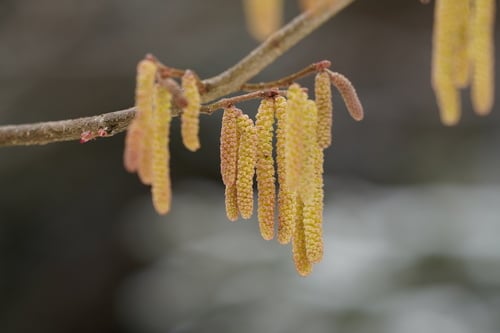
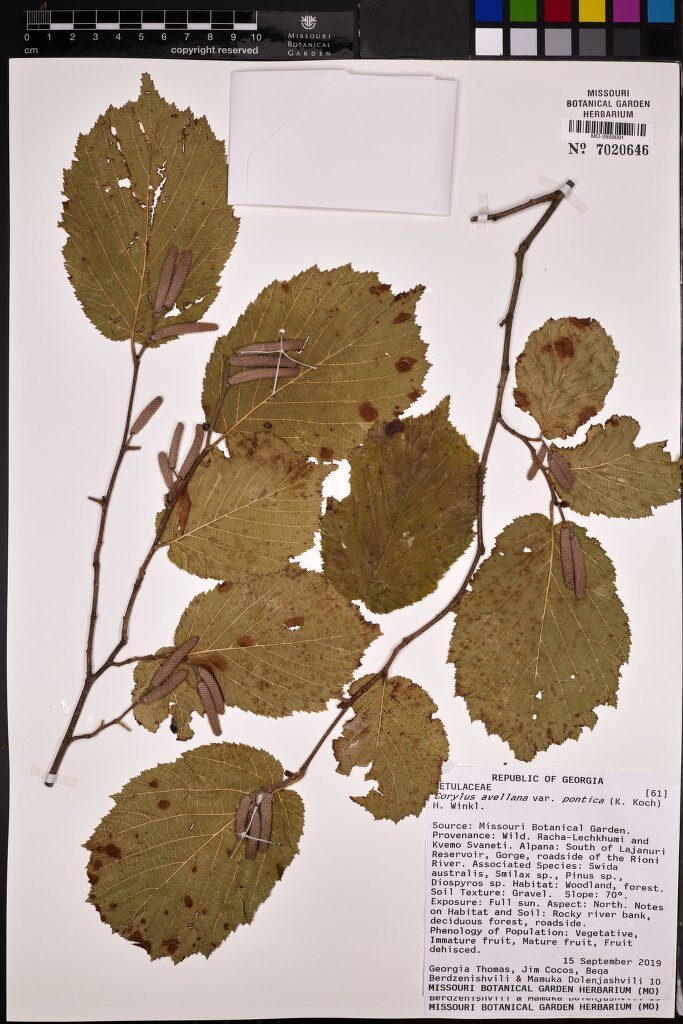
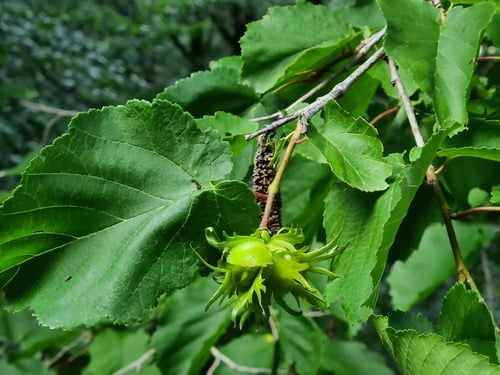
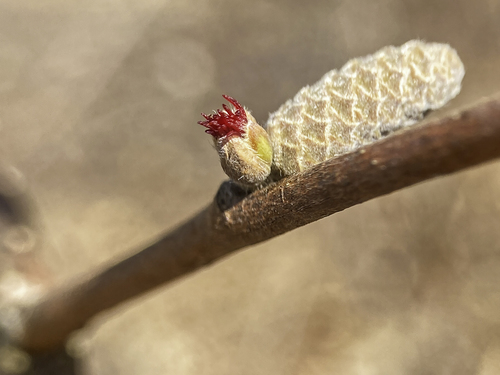
A small shrub. The twigs and young branches are covered with resin rich wart-like glands. The leaves are roundish and 0.5-3 cm long. The flower catkins are small and oval.
Edible Uses
Edible Parts: Flowers Leaves Edible Uses: Condiment Young leaves and catkins - raw. The buds and twigs are used as a flavouring in stews.
Medicinal Uses
Antirheumatic Antiseborrheic Astringent Lithontripic Salve Sedative The bark is antirheumatic, astringent, lithontripic, salve and sedative.
Distribution
Temperate. It grows in alpine regions in the Rocky Mountains. It grows in wetter places and beside streams.
Where It Grows
Canada, North America, USA,
Cultivation
Succeeds in a well-drained loamy soil in a sheltered position. Grows well in heavy clay soils. Shade tolerant. B. glandulifera, mentioned above as a synonym of this species, might be a separate species in its own right. This species is native to areas with very cold winters and often does not do well in milder zones. It can be excited into premature growth in mild winters and this new growth is susceptible to frost damage. The branches are covered in aromatic glands, and the leaves are pleasantly fragrant when crushed. Hybridizes freely with other members of this genus. This species is closely related to B. nana. Trees are notably susceptible to honey fungus.
Propagation
Seed - best sown as soon as it is ripe in a light position in a cold frame. Only just cover the seed and place the pot in a sunny position. Spring sown seed should be surface sown in a sunny position in a cold frame. If the germination is poor, raising the temperature by covering the seed with glass can help. When they are large enough to handle, prick the seedlings out into individual pots and grow them on in a cold frame for at least their first winter. Plant them out into their permanent positions in late spring or early summer, after the last expected frosts. If you have sufficient seed, it can be sown in an outdoor seedbed, either as soon as it is ripe or in the early spring - do not cover the spring sown seed. Grow the plants on in the seedbed for 2 years before planting them out into their permanent positions in the winter.
Other Uses
Hair The plant is valuable for ground cover. An infusion of the plant is used as a hair conditioner and dandruff treatment. Special Uses Dynamic accumulator Ground cover Scented Plants
Notes
There are about 60 Betula species. They grow in cool north temperate climates.
Synonyms
References (5)
- Fl. bor.-amer. 2:180. 1803
- MacKinnon, A., et al, 2009, Edible & Medicinal Plants of Canada. Lone Pine. p 53
- Plants for a Future database, The Field, Penpol, Lostwithiel, Cornwall, PL22 0NG, UK. http://www.scs.leeds.ac.uk/pfaf/
- Porsild, A.E., 1974, Rocky Mountain Wild Flowers. Natural History Series No. 2 National Museums of Canada. p 134
- Turner, N., 1997, Food Plants of Interior First Peoples. Royal BC Museum Handbook p 166