Betula nana
L.
Bog Birch, Dwarf Birch, Smooth Dwarf, Birch, Swamp Birch
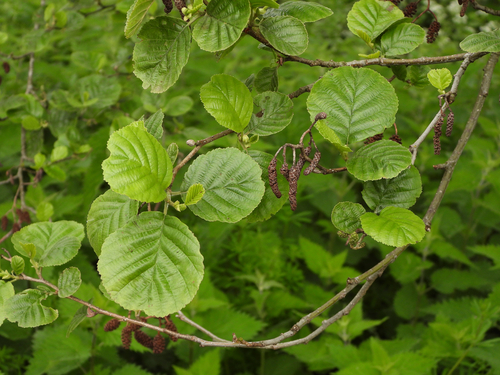
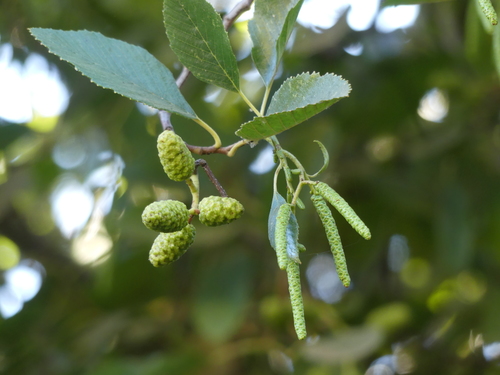
iNaturalist· cc-by-nc
(c) Svetlana Nesterova, some rights reserved (CC BY-NC), uploaded by Svetlana Nesterova
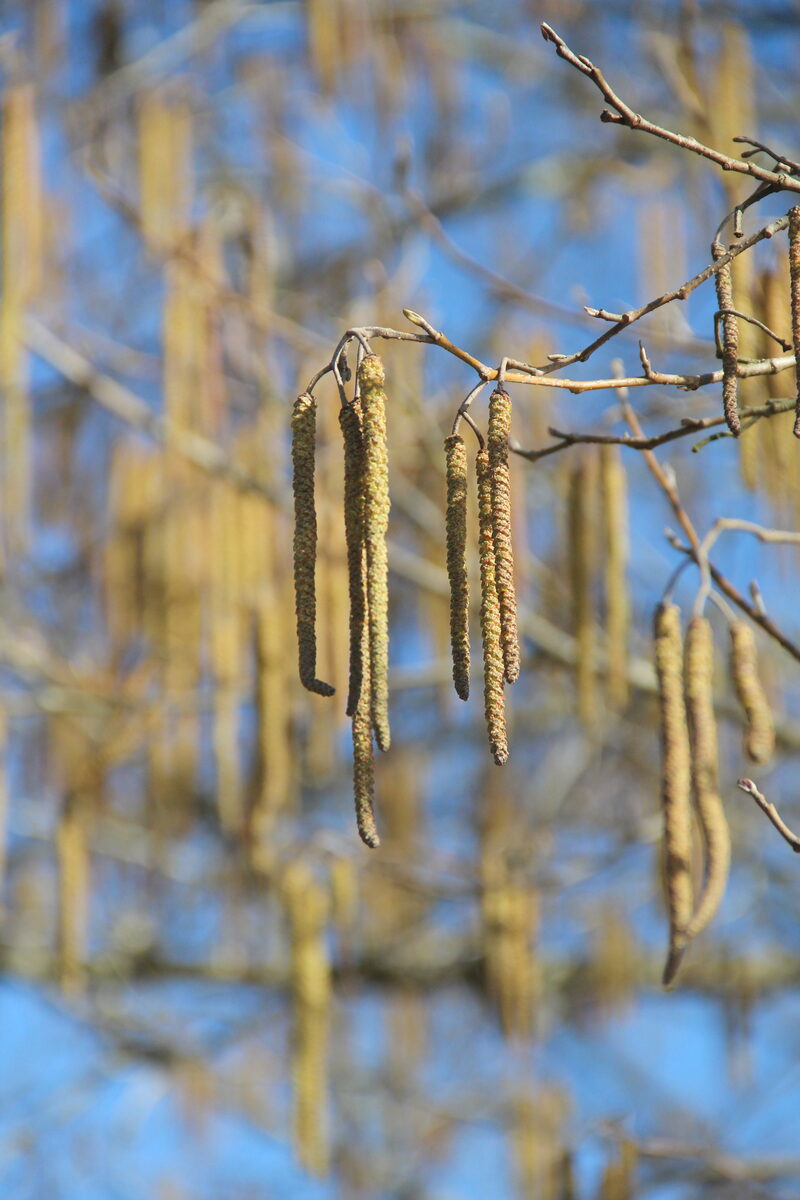
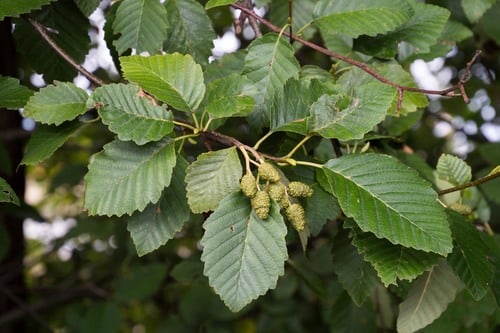
iNaturalist· cc-by-nc
(c) SD, some rights reserved (CC BY-NC), uploaded by SD
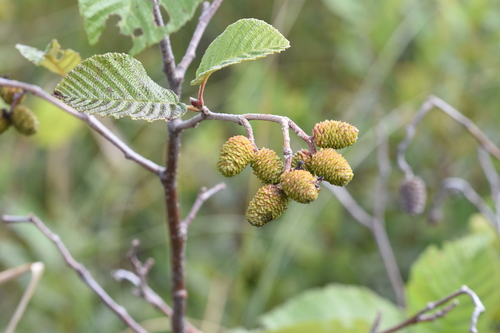
iNaturalist· cc-by-nc-sa
(c) c michael hogan, some rights reserved (CC BY-NC-SA), uploaded by c michael hogan
Summary
Source: WikipediaBetula nana, the dwarf birch, is a species of birch in the family Betulaceae, found mainly in the tundra of the Arctic region.
Description
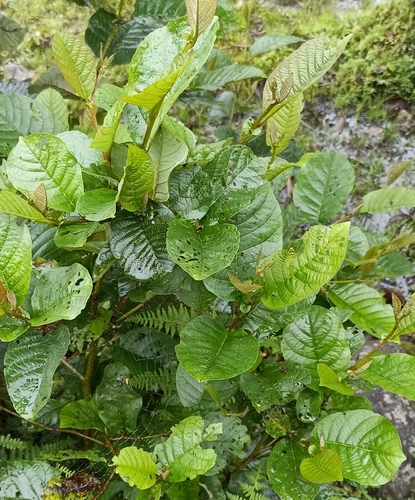
A low shrub. It loses its leaves during the year. It grows 0.6 m high and spread 1.2 m wide. It forms thickets. The leaves are small. They are 18 mm long. They are kidney shaped or rounded. They are thick textured. The leaves are dark green and have fine teeth. The leaves turn yellow and red in autumn. The flower catkins are 12 mm long.
Edible Uses
Edible Parts: Flowers Leaves Edible Uses: Condiment Young leaves and catkins - raw. The buds and twigs are used as a flavouring in stews.
Traditional Uses
The leaves and twigs are used for tea drinks.
This uses section is brief — help expand it
Medicinal Uses
Antirheumatic Antiseborrheic Astringent Lithontripic Miscellany Salve Sedative Stomachic The bark is antirheumatic, astringent, lithontripic, salve and sedative. Moxa is prepared from the plant and is regarded as an effective remedy in all painful diseases. No more details are given, but it is likely that the moxa is prepared from yellow fungous excretions of the wood, since the same report gives this description when talking about other members of the genus. A compound decoction of the leaves has been used in the treatment of stomach ache and intestinal discomfort.
Distribution
Cold temperate. It grows above the Arctic circle. It grows in the tundra and in bogs and on low hills. It is resistant to frost but damaged by drought. It suits hardiness zones 2-7.
Where It Grows
Arctic, Australia, Britain, Canada, Europe*, Greenland, Iceland, North America, Norway, Scandinavia, Siberia, USA,
Cultivation
Succeeds in a well-drained loamy soil in a sheltered position. Grows well in heavy clay soils. Grows well in moist places or the heath garden. Shade tolerant. This species is native to areas with very cold winters and often does not do well in milder zones. It can be excited into premature growth in mild winters and this new growth is susceptible to frost damage. Hybridizes freely with other members of this genus. Trees are notably susceptible to honey fungus.
Propagation
Seed - best sown as soon as it is ripe in a light position in a cold frame. Only just cover the seed and place the pot in a sunny position. Spring sown seed should be surface sown in a sunny position in a cold frame. If the germination is poor, raising the temperature by covering the seed with glass can help. When they are large enough to handle, prick the seedlings out into individual pots and grow them on in a cold frame for at least their first winter. Plant them out into their permanent positions in late spring or early summer, after the last expected frosts. If you have sufficient seed, it can be sown in an outdoor seedbed, either as soon as it is ripe or in the early spring - do not cover the spring sown seed. Grow the plants on in the seedbed for 2 years before planting them out into their permanent positions in the winter.
Other Uses
Dye Hair Miscellany Tinder Plants can be used for ground cover, forming a spreading hummock up to 1.2 metres across. An infusion of the plant is used as a hair conditioner and dandruff treatment. A yellow dye is obtained from the leaves. The plant has been used as a tinder, even when wet, and for cooking fires when there is a lack of larger wood. It is likely that the bark was used for tinder. Special Uses Dynamic accumulator Ground cover
Notes
There are about 60 Betula species. They grow in cool north temperate climates.
Also Known As
Dvergbjork
References (14)
- Bodkin, F., 1991, Encyclopedia Botanica. Cornstalk publishing, p 145
- Cundall, P., (ed.), 2004, Gardening Australia: flora: the gardener's bible. ABC Books. p 236
- Etherington, K., & Imwold, D., (Eds), 2001, Botanica's Trees & Shrubs. The illustrated A-Z of over 8500 trees and shrubs. Random House, Australia. p 130
- Girard, N. J., 2020, Sustainable Foraging of Wild Edible Plants in Norway. A Biocultural Approach. M. Sc. thesis Norwegian University. p 129
- Hibbert, M., 2002, The Aussie Plant Finder 2002, Florilegium. p 43
Show all 14 references Hide references
- Kremer, B.P., 1995, Shrubs in the Wild and in Gardens. Barrons. p 163
- Lord, E.E., & Willis, J.H., 1999, Shrubs and Trees for Australian gardens. Lothian. p 48
- Plants for a Future database, The Field, Penpol, Lostwithiel, Cornwall, PL22 0NG, UK. http://www.scs.leeds.ac.uk/pfaf/
- Ryan, S., 2008, Dicksonia. Rare Plants Manual. Hyland House. p 10
- Slocum, P.D. & Robinson, P., 1999, Water Gardening. Water Lilies and Lotuses. Timber Press. p 111
- Sp. pl. 2:983. 1753
- Turner, N., et al, 2011, "Up on the Mountain": Ethnobotanical Important of Montane Sites in Pacific Coastal North America. Journal of Ethnobiology 31(1): 4-43
- Whitney, C. W., et al, 2012, A Survey of Wild Collection and Cultivation of Indigenous Species in Iceland. Human Ecology 40:781-787
- Young, J., (Ed.), 2001, Botanica's Pocket Trees and Shrubs. Random House. p 137