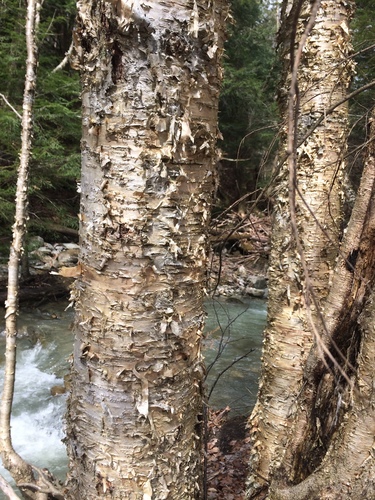
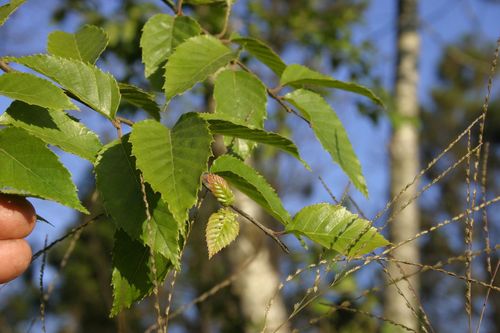
Betula cylindrostachya
Lindl. ex Wall.
Saur, Sunli
iNaturalist· cc-by-nc
(c) Khristian Venegas Valencia, some rights reserved (CC BY-NC), uploaded by Khristian Venegas Valencia
iNaturalist· cc-by
(c) Chris Lindorff, some rights reserved (CC BY), uploaded by Chris Lindorff
Description
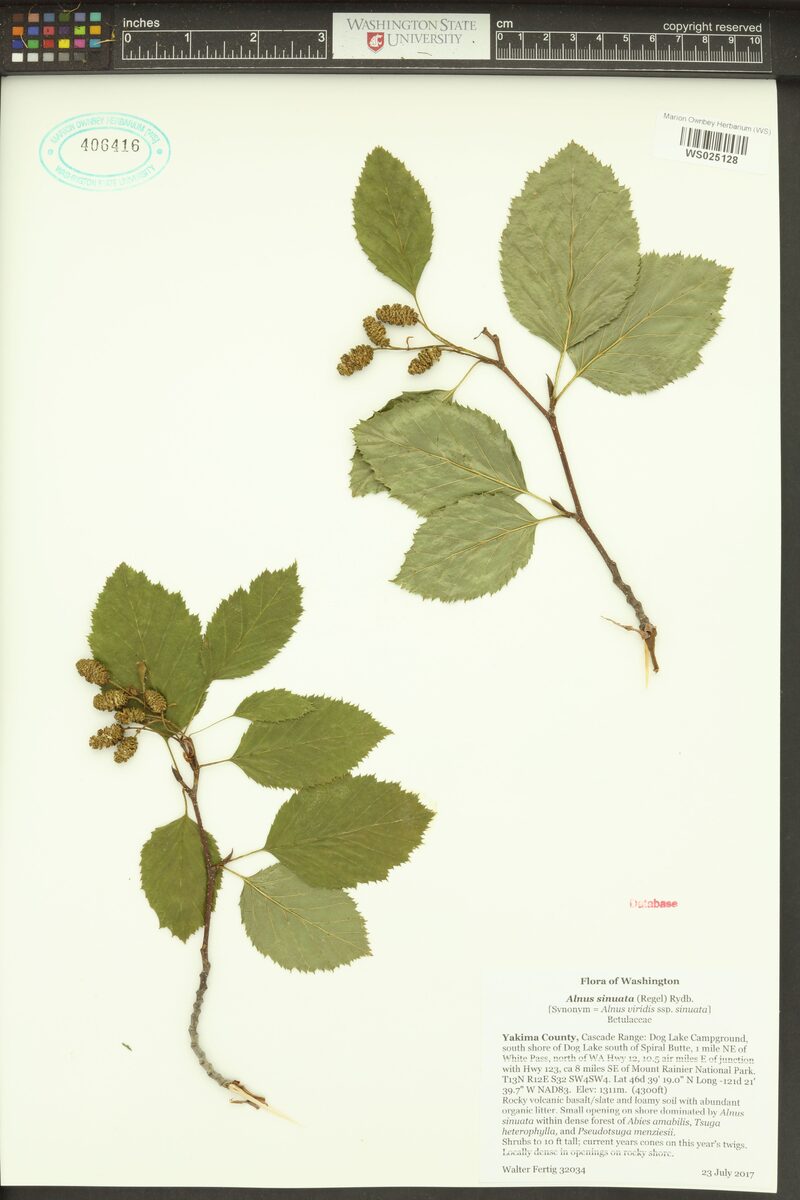
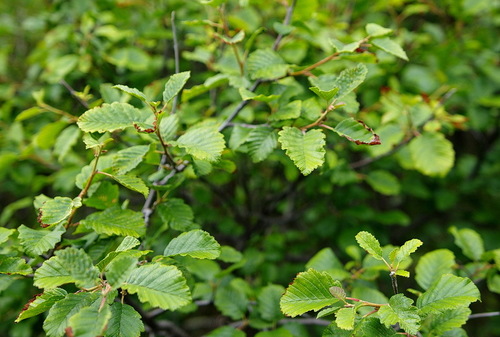
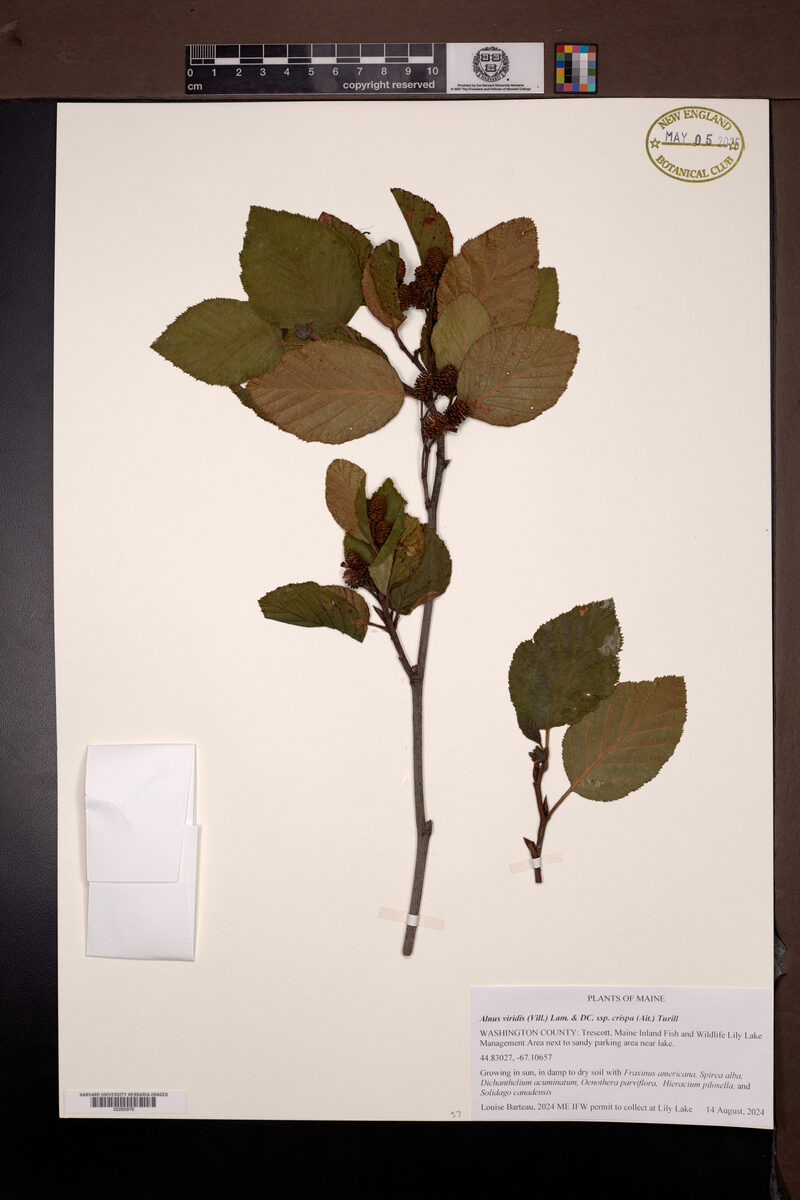
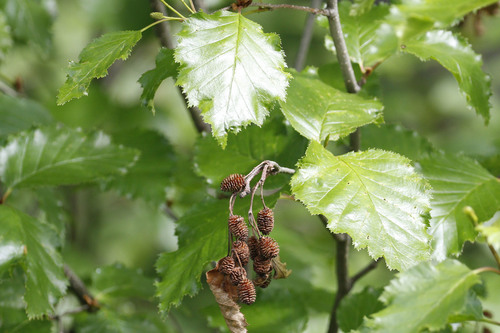
A tree. It grows 30 m tall. The bark is grey to dark brown. The small branches have yellow hairs. The leaves are oval and 5-14 cm long by 2-8 cm wide.
Edible Uses
The buds are used as a tea substitute, the bark is chewed as a betel nut substitute, water is extracted from the trunk, and the fruit are edible.
Traditional Uses
The bark is chewed as a substitute for betel nut. The buds are used as a substitute for tea leaves. Water is extracted from the trunk.
This uses section is brief — help expand it
Distribution
It is a subtropical and warm temperate plant. In southern China it grows in broad-leaved forests between 1,400-2,800 m above sea level.
Where It Grows
Asia, Bhutan, China, Himalayas, India, Nepal, Northeastern India, Sikkim,
Notes
There are about 60 Betula species. They grow in cool north temperate climates.
References (10)
- Ambasta S.P. (Ed.), 2000, The Useful Plants of India. CSIR India. p 73
- Dangol, D. R. et al, 2017, Wild Edible Plants in Nepal. Proceedings of 2nd National Workshop on CUAOGR, 2017.
- Dobriyal, M. J. R. & Dobriyal, R., 2014, Non Wood Forest Produce an Option for Ethnic Food and Nutritional Security in India. Int. J. of Usuf. Mngt. 15(1):17-37
- Ghimeray, A. K., Lamsal, K., et al, 2010, Wild edible angiospermic plants of the Illam Hills (Eastern Nepal) and their mode of use by local community. Korean J. Pl. Taxon. 40(1)
- Pl. asiat. rar. 2:7. 1830
Show all 10 references Hide references
- Savita, et al, 2006, Studies on wild edible plants of ethnic people in east Sikkim. Asian J. of Bio Sci. (2006) Vol. 1 No. 2 : 117-125
- Sundriyal, M. & Sundriyal, R. C., 2004, Structure, Phenology, Fruit Yield, and Future Prospects of some Prominent Wild Edible Plant Species of the Sikkim Himalaya, India. Journal of Ethnobiology 24(1): 113-138
- Tsering, J., et al, 2017, Ethnobotanical appraisal on wild edible plants used by the Monpa community of Arunchal Pradesh. Indian Journal of Traditional Knowledge. Vol 16(4), October 2017, pp 626-637
- Uprety, Y., et al, 2016, Traditional use and management of NTFPs in Kangchenjunga Landscape: implications for conservation and livelihoods. Journal of Ethnobiology and Ethnomedicine (2016) 12:19
- www.eFloras.org Flora of China