Calochortus kennedyi
Porter
Kennedy’s or Desert Mariposa Lily
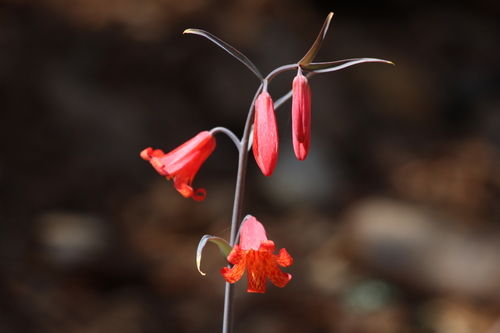
iNaturalist· cc-by-nc
(c) Jeff Bisbee, some rights reserved (CC BY-NC), uploaded by Jeff Bisbee
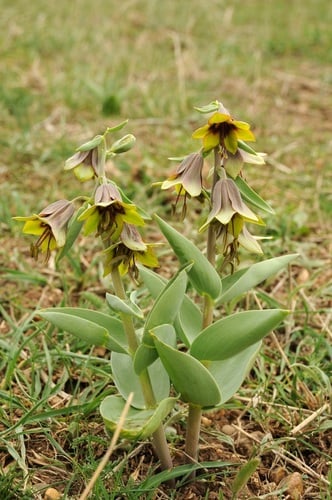
iNaturalist· cc-by
(c) Jim Morefield, some rights reserved (CC BY)
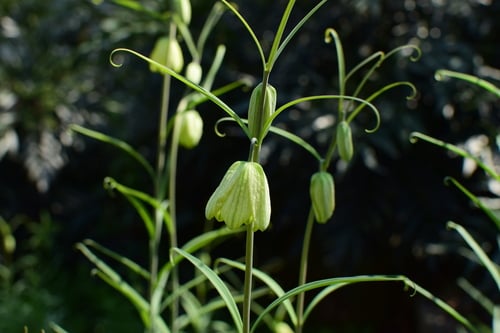
iNaturalist· cc-by-nc
(c) clyde_joelle, some rights reserved (CC BY-NC), uploaded by clyde_joelle
Description
Calochortus kennedyi is a BULB growing to 0.3 m (1ft) by 0.1 m (0ft 4in) at a medium rate. See above for USDA hardiness. It is hardy to UK zone 6. The flowers are pollinated by Bees, Insects. It is noted for attracting wildlife. Suitable for: light (sandy) and medium (loamy) soils, prefers well-drained soil and can grow in nutritionally poor soil. Suitable pH: neutral and basic (mildly alkaline) soils. It cannot grow in the shade. It prefers dry or moist soil and can tolerate drought.
Edible Uses
Edible Uses & Rating: The bulbs of C. kennedyi are edible when cooked and were a valued traditional food for several Native American groups, including the Hopi, Zuni, and Navajo. The bulbs are sweet, starchy, and nourishing, while the leaves and seeds have limited or negligible food value. Edibility rating: 4.5/5 for bulbs; 1/5 for leaves and seeds. Taste, Processing & Kitchen Notes: Fresh bulbs have a firm, crisp texture and a mildly sweet flavor, somewhat between potato and chestnut. Roasting enhances sweetness and adds a subtle nutty aroma, while boiling yields a soft, bland, starchy result similar to mashed potato. Traditional preparation methods involved roasting bulbs whole in coals or boiling them in stone-lined pits with hot rocks. Drying bulbs for winter use was also practiced, as the flavor and energy value remain excellent after storage. Seasonality (Phenology): Desert Mariposa Lily blooms March to May, depending on elevation and rainfall. Seed capsules mature by May–June, releasing seeds in early summer. Plants enter dormancy by midsummer and remain underground until renewed winter or spring rains trigger new growth. The bulbs are viable year-round and can be harvested at any season when located. Safety & Cautions (Food Use): The bulbs are safe when cooked but should not be eaten raw, as they may cause mild digestive discomfort. Avoid collecting from wild populations in national or state parks, as C. kennedyi is considered sensitive or protected in parts of its range. Harvest & Processing Workflow: Bulbs are best harvested after flowering when foliage has begun to wither but before full dormancy. Dig gently with a narrow trowel or digging stick, minimizing soil disturbance. Wash, peel, and roast or boil immediately. Dried bulbs may be stored for several months and rehydrated before cooking. Traditional / Indigenous Use Summary: The Hopi, Zuni, Navajo, and other Pueblo peoples traditionally used C. kennedyi bulbs as a nutritious food and famine resource. Bulbs were roasted or boiled, eaten plain or mashed with other starchy foods. Some tribes considered it a ceremonial plant associated with renewal and sustenance during times of scarcity. Its brilliant orange flowers were also used ornamentally in dances and ceremonies celebrating the spring season.
Known Hazards
The bulbs are safe when cooked but should not be eaten raw, as they may cause mild digestive discomfort. Avoid collecting from wild populations in national or state parks, as C. kennedyi is considered sensitive or protected in parts of its range.
Distribution
Native to the Mojave, Sonoran, and Chihuahuan deserts, this species ranges across southern California, Nevada, Utah, Arizona, New Mexico, and western Texas, extending into northern Mexico.
Where It Grows
US. USA. Arizona, California, Mexico Northeast, Mexico Northwest, Nevada, Texas, Utah
Cultivation
Identification & Habit: Calochortus kennedyi is a perennial herb arising from a rounded underground bulb (1–2.5 cm in diameter) and typically 10–35 cm tall. It produces 1–3 upright flowers per stem. Each flower is a large, tulip-like cup 4–6 cm across, with three broad petals that are vivid orange, copper-red, or occasionally scarlet, often darker near the base. The petal bases feature conspicuous yellow or reddish-brown nectar glands, bordered by tufts of fine golden hairs. The sepals are narrower and greenish to orange-tinged. Leaves are linear and grass-like, 5–25 cm long, arising mainly at the base and typically withering by the time of flowering. The fruit is a three-winged capsule, 2–4 cm long, containing numerous flattened tan seeds. Pollination is by native solitary bees, including Anthophora and Osmia species, as well as bee flies (Bombyliidae) and small butterflies attracted to the vivid petal coloration and nectar rewards. The flowers’ shape and bright color make them highly visible in the desert landscape, a crucial trait for attracting pollinators in sparse habitats. Growing Conditions: Calochortus kennedyi is adapted to arid and semi-arid habitats, favoring well-drained sandy or gravelly soils in deserts, canyons, and rocky slopes. It thrives in full sun and requires a dry dormant period following flowering. USDA Hardiness Zones: 6–9. It tolerates alkaline soils and survives extreme drought through its bulb dormancy strategy. Habitat & Range: Native to the Mojave, Sonoran, and Chihuahuan deserts, this species ranges across southern California, Nevada, Utah, Arizona, New Mexico, and western Texas, extending into northern Mexico. It occurs between 600–2,000 meters elevation, often in creosote bush scrub, desert grasslands, and open juniper slopes. It is especially striking in years of above-average spring rain when mass blooms blanket desert hillsides. Size & Landscape Performance: Plants are typically 10–35 cm tall and 10–20 cm wide, producing brilliant orange blooms that last several weeks. In cultivation, C. kennedyi makes a spectacular display in rock gardens and xeriscapes, provided its soil is sandy and dry during dormancy. It is among the most drought-tolerant Calochortus species. Pests & Problems: The main vulnerability is bulb rot from overwatering or poor drainage. In cultivation, rodents may dig up bulbs. Fungal infections are rare in the wild due to the plant’s arid habitat but can appear in humid or irrigated conditions.
Propagation
Propagation is by seed or bulb division. Seeds require cold stratification (exposure to winter chill) to germinate and may take several years to flower. Bulbs should be planted 8–10 cm deep in coarse, well-drained soil and left dry in summer. Once established, the plant is long-lived and requires minimal care. Overwatering during dormancy is the most common cause of failure.
Other Uses
C. kennedyi makes a spectacular display in rock gardens and xeriscapes, provided its soil is sandy and dry during dormancy. It is among the most drought-tolerant Calochortus species. Some tribes considered it a ceremonial plant associated with renewal and sustenance during times of scarcity. Its brilliant orange flowers were also used ornamentally in dances and ceremonies celebrating the spring season. Ecology & Wildlife: The striking orange flowers serve as important nectar and pollen sources for native bees and bee flies, especially in early desert spring when few other large blooms are available. The bulbs are occasionally eaten by rodents and small mammals, particularly pocket gophers. Deer and rabbits rarely browse it due to its tough foliage and timing of growth during dry seasons.
Synonyms
Also Known As
Kennedy’s or Desert Mariposa Lily (Calochortus kennedyi Porter). Calochortus kennedyi var. kennedyi