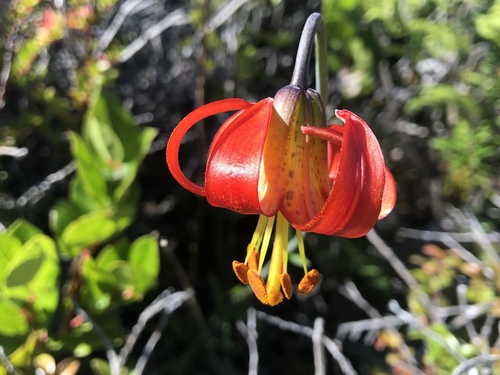
Gagea chlorantha
(M. Bieb.) Schult. & Schult.f.
Gagea
iNaturalist· cc-by-nc
(c) Yael Orgad, some rights reserved (CC BY-NC), uploaded by Yael Orgad
iNaturalist· cc-by-nc
(c) Yael Orgad, some rights reserved (CC BY-NC), uploaded by Yael Orgad
iNaturalist· cc-by-nc
(c) Yael Orgad, some rights reserved (CC BY-NC), uploaded by Yael Orgad
Description
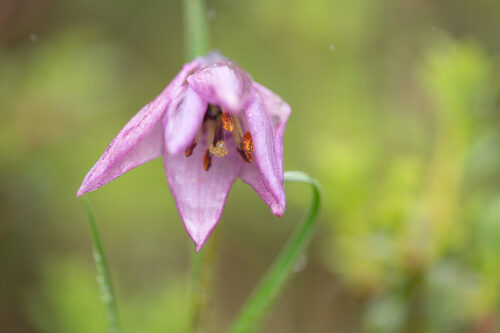
A bulb plant. It grows 8-10 cm tall. The bulb is 1 cm across. There are 2 leaves at the base. They are narrow and curved. The leaves on the stem are shorter. The flower stalks have 3-4 flowers. They are yellow.
Edible Uses
The leaves are brewed into tea or cooked with oil and onions as a side dish.
Traditional Uses
The leaves are added to tea. They are also cooked with oil and onion and eaten.
This uses section is brief — help expand it
Distribution
It is a Mediterranean climate plant. It grows in limestone crevices.
Where It Grows
Caucasus, Cyprus, Iran, Iraq, Lebanon, Palestine, Syria, Mediterranean, Middle East, Pakistan, Palestine, Tyrkey, Turkmenistan,
Synonyms
References (1)
- Hinnawi, N. S. A., 2010, An ethnobotanical study of wild edible plants in the Northern West Bank "Palestine". An-Najah National University. p 94