Fritillaria sewerzowii
Regel
iNaturalist· cc-by-nc
(c) vladimir_epiktetov, some rights reserved (CC BY-NC), uploaded by vladimir_epiktetov
iNaturalist· cc-by-nc
(c) vladimir_epiktetov, some rights reserved (CC BY-NC), uploaded by vladimir_epiktetov
iNaturalist· cc-by-nc
(c) Aleksandr Ebel, some rights reserved (CC BY-NC), uploaded by Aleksandr Ebel
Summary
Source: WikipediaFritillaria sewerzowii is a perennial herbaceous bulbous plant, distributed in alpine areas of central Asia. It is a species in the genus Fritillaria, in the lily family Liliaceae. It is placed in the subgenus Korolkowia.
Description
A bulbous perennial reaching 30cm tall and 10cm wide. Hardy to UK zone 5. Long flowering period from March to July with hermaphroditic blooms pollinated by insects. Adapts to light sandy or medium loamy, well-drained soils across various pH levels. Grows in semi-shade or full sun and tolerates both drought and moist conditions.
Edible Uses
None known
Medicinal Uses
The plant contains an alkaloid that acts as an effective local anaesthetic.
Distribution
It is a temperate plant.
Where It Grows
Central Asia, Kazakhstan, Tajikistan,
Cultivation
Prefers a well-drained loam that is kept dry in the summer. The soil must be kept quite firm. Established plants are drought tolerant. This species is best grown in a bulb frame, the light being left off (except in severe weather) whilst growth is in progress but then put on in the summer when growth dies down to ensure that the ground is baked. Do not disturb the plants and only hand weed them.
Propagation
Seed is best sown as soon as ripe in a cold frame, where it should germinate in spring. Protect from frost. Stored seed should be sown as soon as possible and may take a year or more to germinate. Sow thinly to avoid the need to prick out seedlings. After germination, give occasional liquid feeds to prevent mineral deficiency. When plants die down at the end of their second growing season, divide the small bulbs and plant 2–3 per 8cm deep pot. Grow on for at least another year in light shade in the greenhouse before planting out while dormant. Divide offsets in August — larger bulbs can go directly into permanent positions, while smaller ones are best potted and grown on in a cold frame for a year before autumn planting. Propagation by bulb scales is also possible.
Other Uses
None known.
Synonyms
References (1)
- Ryabushkina, N., et al, 2008, Brief Review of Kazakhstan Flora and Use of its Wild Species. The Asian and Australasian Journal of Plant Science and Biotechnology (As Korolkowia sewerzowii)
More from Liliaceae
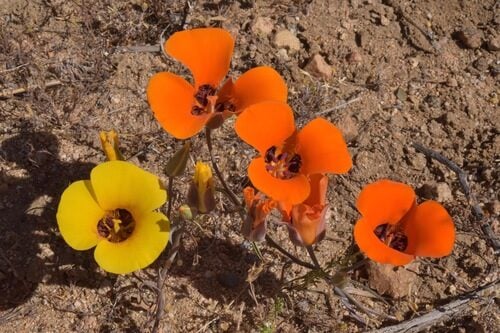
Calochortus kennedyi
Kennedy’s or Desert Mariposa Lily
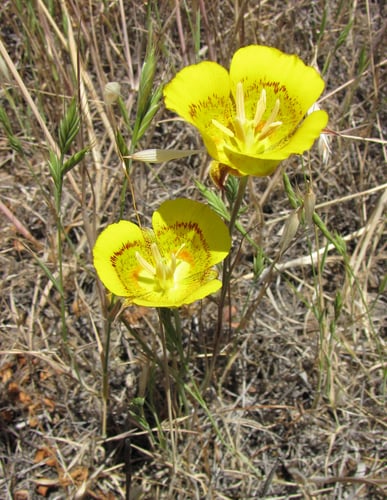
Calochortus luteus
Yellow mariposa, Butterfly tulip
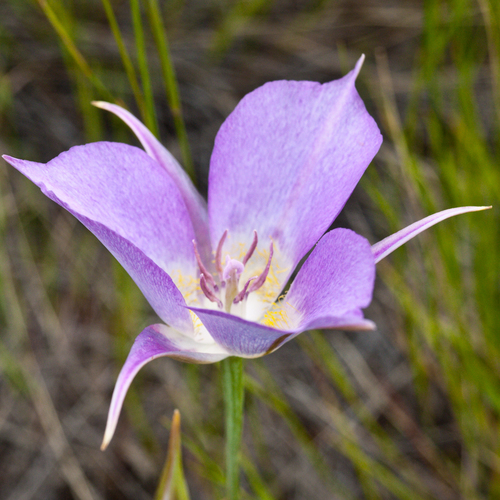
Calochortus macrocarpus
Sagebrush mariposa lily, Green-banded maroposa lily
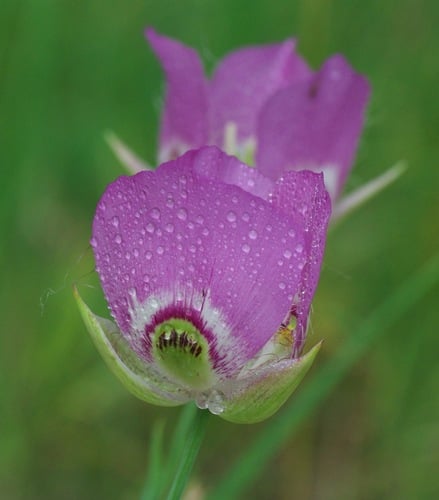
Calochortus nitidus
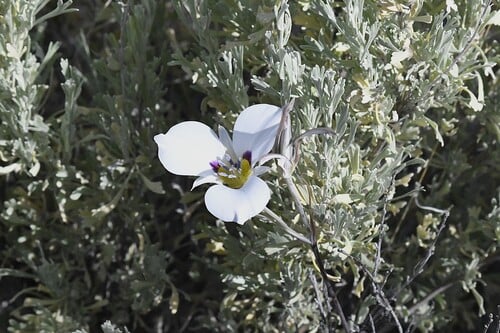
Calochortus nuttallii
Sego lily, Sago-Lilly, Mariposa Lilly, Nuttall's mariposa lily
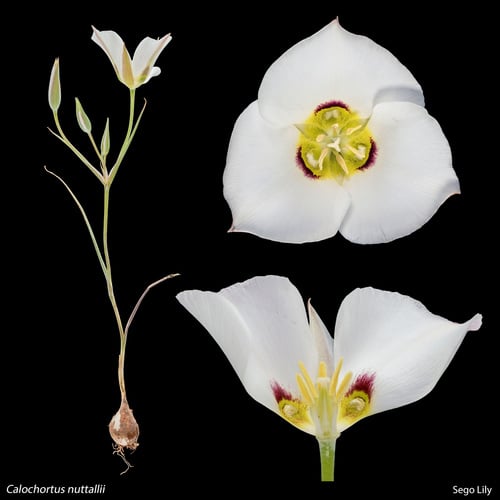
Calochortus nuttallii var. aureus
Mariposa lily