Drypetes gerrardii
Hutch.
Forest iron plum, Hairy drypetes
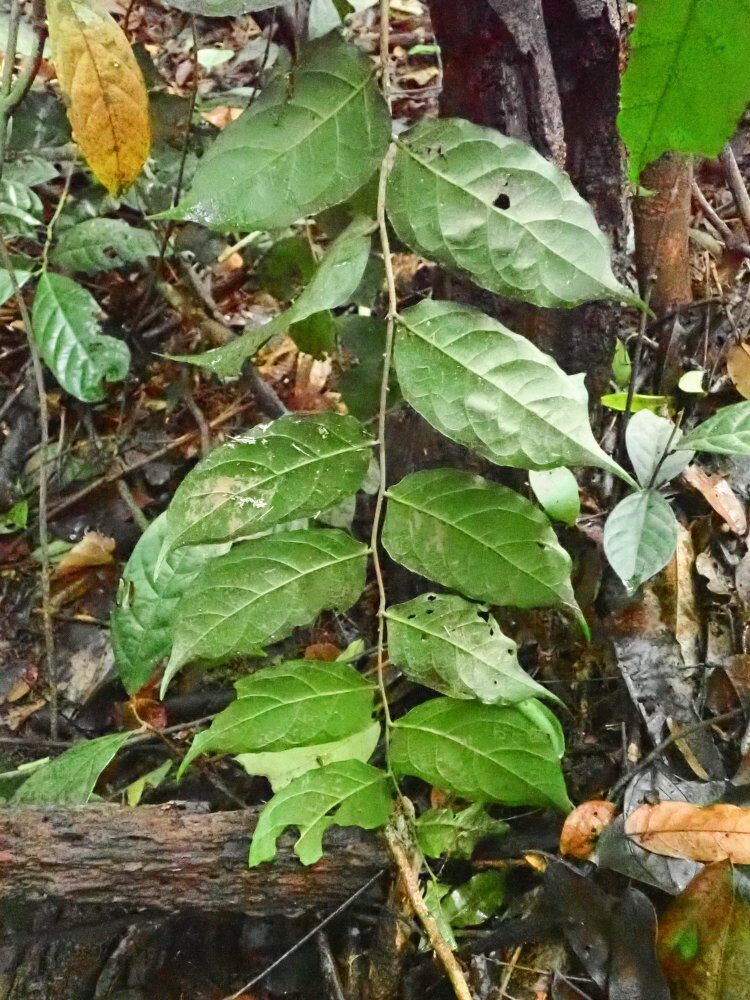
iNaturalist· cc-by-nc
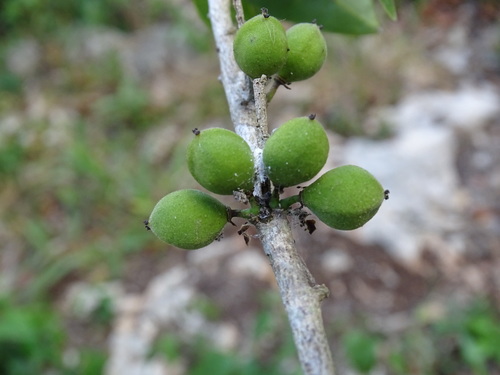
(c) magdastlucia, some rights reserved (CC BY-NC), uploaded by magdastlucia
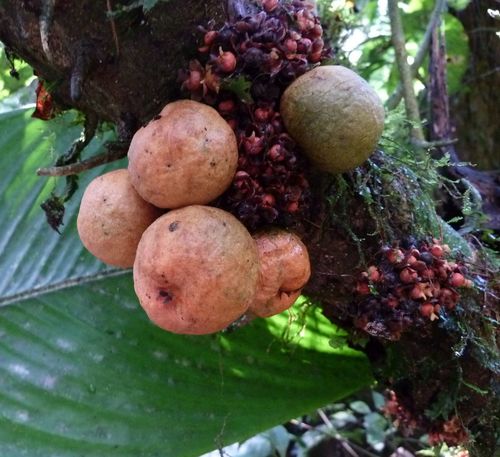
iNaturalist· cc-by-nc
(c) Sharon Louw, some rights reserved (CC BY-NC)
Summary
Source: WikipediaDrypetes gerrardii is a species of small tree or large shrub in the family Putranjivaceae. Common names include forest ironplum, bastard white ironwood, and forest ironwood. It is native to tropical and subtropical central and eastern Africa. It was first described in 1920 by the English botanist John Hutchinson, who named it after the English botanist William Tyrer Gerrard who collected plants and seeds in southern Africa in the 1860s.
Description
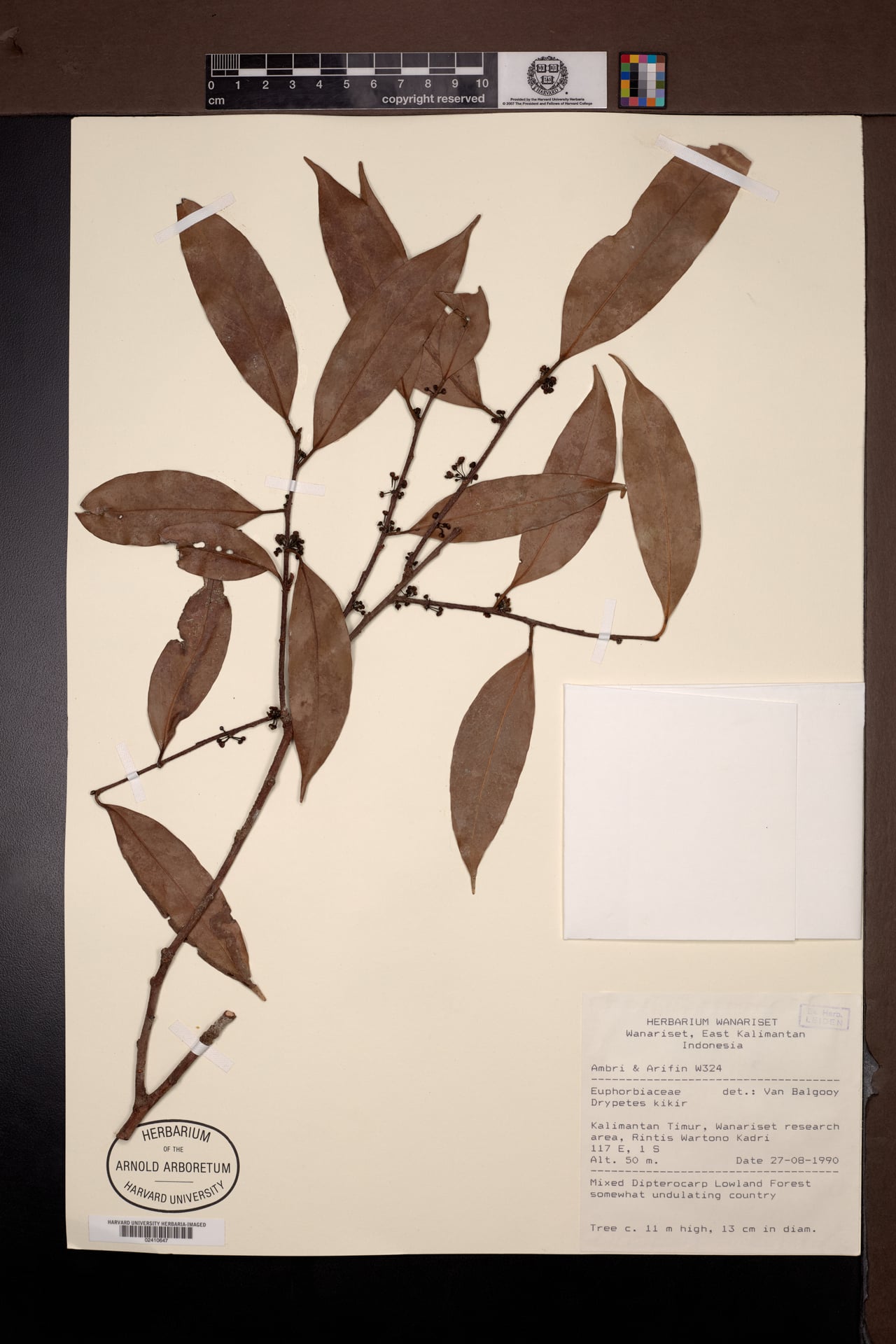
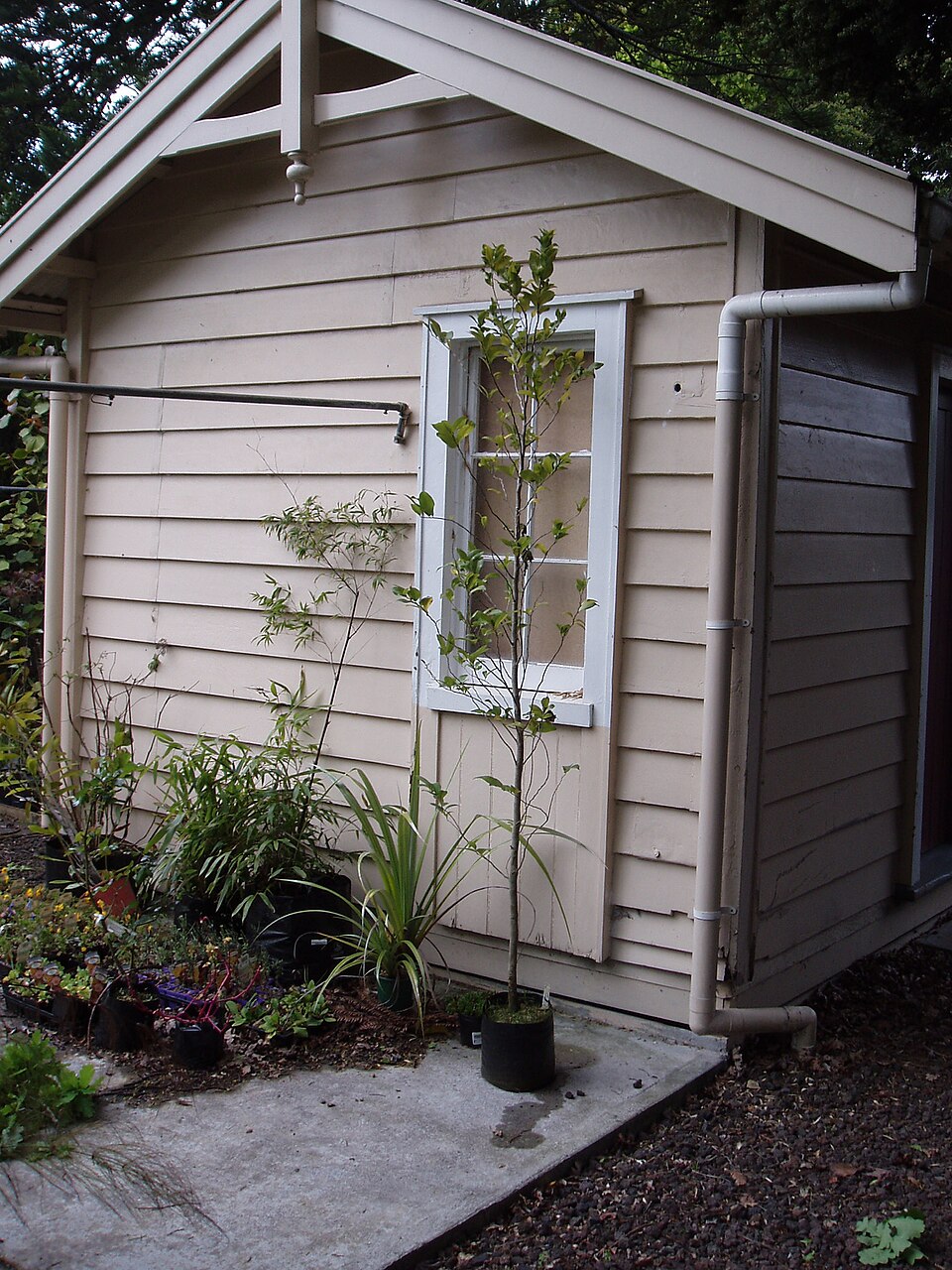
A small or large evergreen tree. It can grow to 30 m high. The trunk has mottled bark. It is fairly slender but is buttressed, fluted and folded to 6 or 9 m above the ground. The twigs are hairy. The leaves vary in shape and size. They are simple, alternate and stiff. The are dark green on the upper surface and paler underneath. The usually have wide blunt teeth along the edge. They are sword shaped with an unequal base. They are 4-9 cm long and 5 cm wide. The midrib is hairy on both sides. They are on short hairy stalks. The male and female flowers are on separate trees. They are yellow and small and in the axils of leaves. The male flowers are in clusters an the female flowers are single. The fruit are 2.5 cm long and 1.9 cm wide. They are yellow and softly hairy. They have a thin layer of pulp. This is edible They have 2 oval seeds about 1.3 cm long.
Edible Uses
The thin layer of pulp inside the fruit is edible and eaten raw. The fruits are also used to make wine.
Traditional Uses
The fruit are eaten raw. They are also used for wine.
This uses section is brief — help expand it
Medicinal Uses
As a small tree, the timber of Drypetes gerrardii is not traded but is used locally for poles, tool handles, furniture, utensils and pestles. It is also used as firewood and for making charcoal. The flowers are nectar-rich and attract honeybees and the fruit is edible. The tree has limited use in traditional medicine, a decoction prepared from the roots being used for abdominal pain and powdered leaves and roots being used to treat gonorrhea. The tree is sometimes grown to provide shade.
Distribution
It is a tropical plant. It grows best in well drained soils. It can grow in arid places. In Zimbabwe it grows between 780-2,000 m above sea level.
Where It Grows
Africa, Angola, Asia, Burundi, Central Africa, China, Congo, East Africa, Eswatini, Kenya, Malawi, Mozambique, Rwanda, South Africa, Southern Africa, Sudan Swaziland, Tanzania, Uganda, Zambia, Zimbabwe,
Cultivation
A dioecious species, both male and female forms need to be grown if fruit and seed are required.
Other Uses
The wood is used for timber, pestles, stools, building poles and tool handles. The wood is used for fuel and to make charcoal.
Notes
There are about 200 Drypetes species.
Synonyms
Also Known As
Bosysterpruim, Forest ironwood, Itulelei, Merini, Umhlwakela, Umhlwakele
References (14)
- Ichikawa, M., 1980, The Utilization of Wild Food Plants by the Suiei Dorobo in Northern Kenya. J. Anthrop. Soc. Nippon. 88(1): 25-48
- Long, C., 2005, Swaziland's Flora - siSwati names and Uses http://www.sntc.org.sz/flora/
- Mutie, F. G., 2020, Conservation of Wild Food Plants and Their Potential for Combatting Food Insecurity in Kenya as Exemplified by the Drylands of Kitui County. Plants 2020, 9, 1017
- Mutie, F. M., et al, 2023, Important Medicinal and Food Taxa (Orders and Families) in Kenya, Based on Three Quantitative Approaches. Plants 2023, 12, 1145
- Palgrave, K.C., 1996, Trees of Southern Africa. Struik Publishers. p 403
Show all 14 references Hide references
- Palmer, E and Pitman, N., 1972, Trees of Southern Africa. Vol. 2. A.A. Balkema, Cape Town p 1112
- Peters, C. R., O'Brien, E. M., and Drummond, R.B., 1992, Edible Wild plants of Sub-saharan Africa. Kew. p 110
- Royal Botanic Gardens, Kew (1999). Survey of Economic Plants for Arid and Semi-Arid Lands (SEPASAL) database. Published on the Internet; http://www.rbgkew.org.uk/ceb/sepasal/internet [Accessed 16th April 2011]
- Ruiters-Welcome, A. K., 2019, Food plants of southern Africa. Ph.D. thesis. Univ. of Johannesburg p 93
- Swaziland's Flora Database http://www.sntc.org.sz/flora
- van Wyk, B, van Wyk, P, and van Wyk B., 2000, Photographic guide to Trees of Southern Africa. Briza. p 124
- Welcome, A. K. & Van Wyk, B.-E., 2019, An inventory and analysis of the food plants of southern Africa. South African Journal of Botany 122 (2019) 136–179
- White, F., Dowsett-Lemaire, F. and Chapman, J. D., 2001, Evergreen Forest Flora of Malawi. Kew. p 250
- World Checklist of Useful Plant Species 2020. Royal Botanic Gardens, Kew