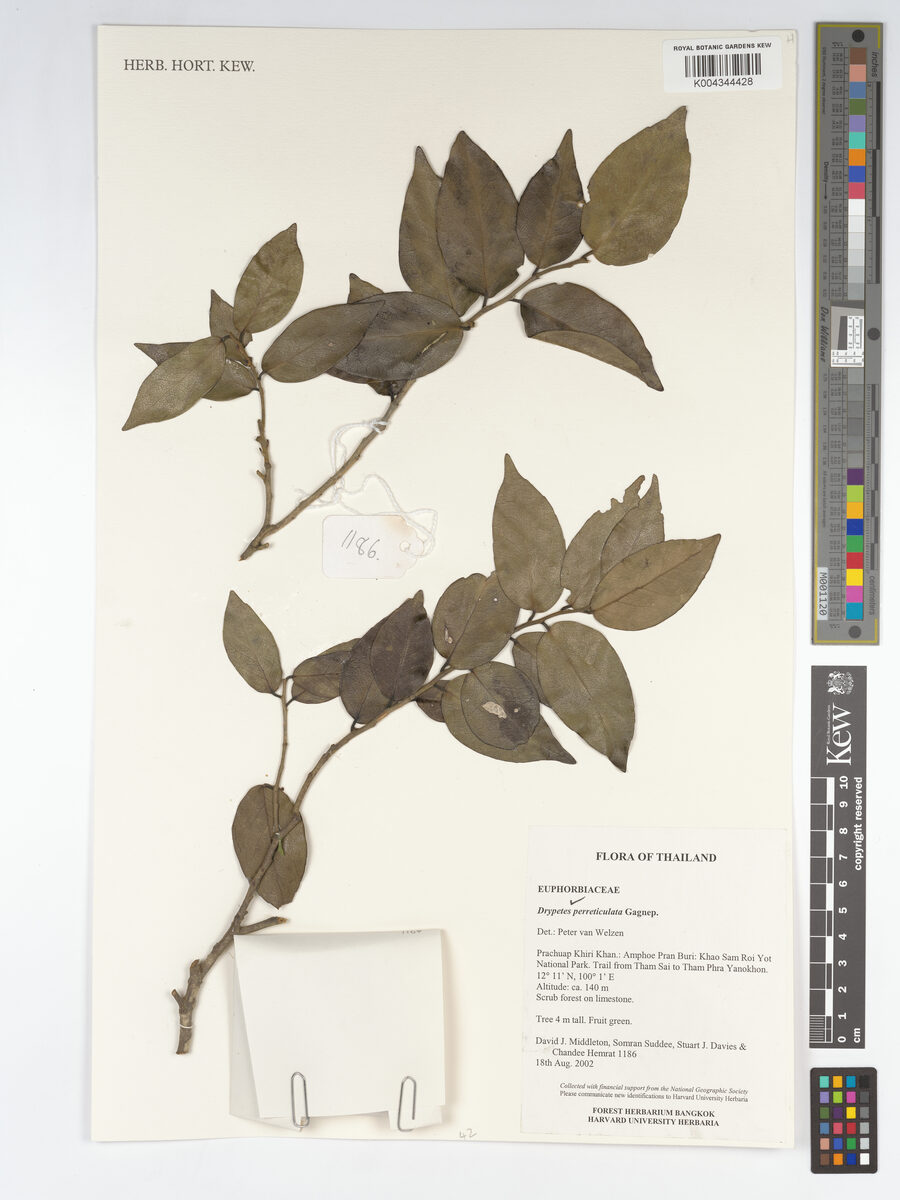
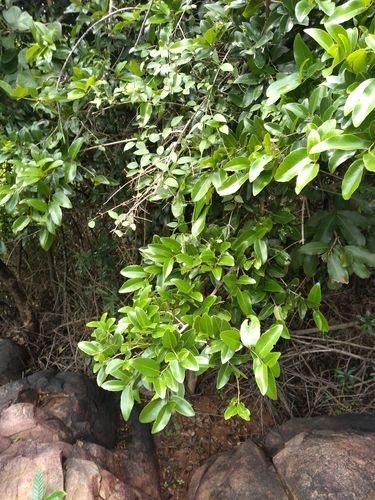
Drypetes ivorensis
Hutch. et J.M. Dalz.
iNaturalist· cc-by-nc
(c) Carel Jongkind, some rights reserved (CC BY-NC), uploaded by Carel Jongkind
Description
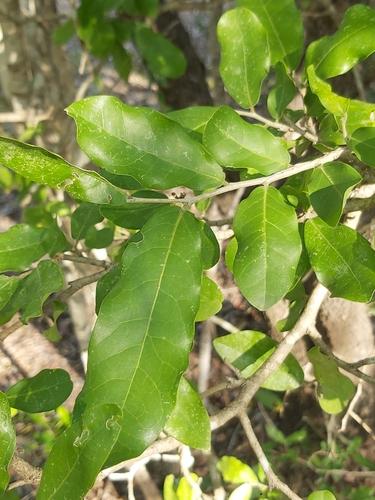
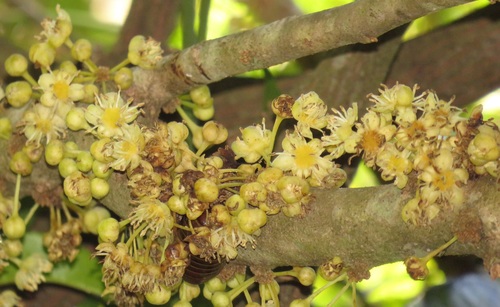
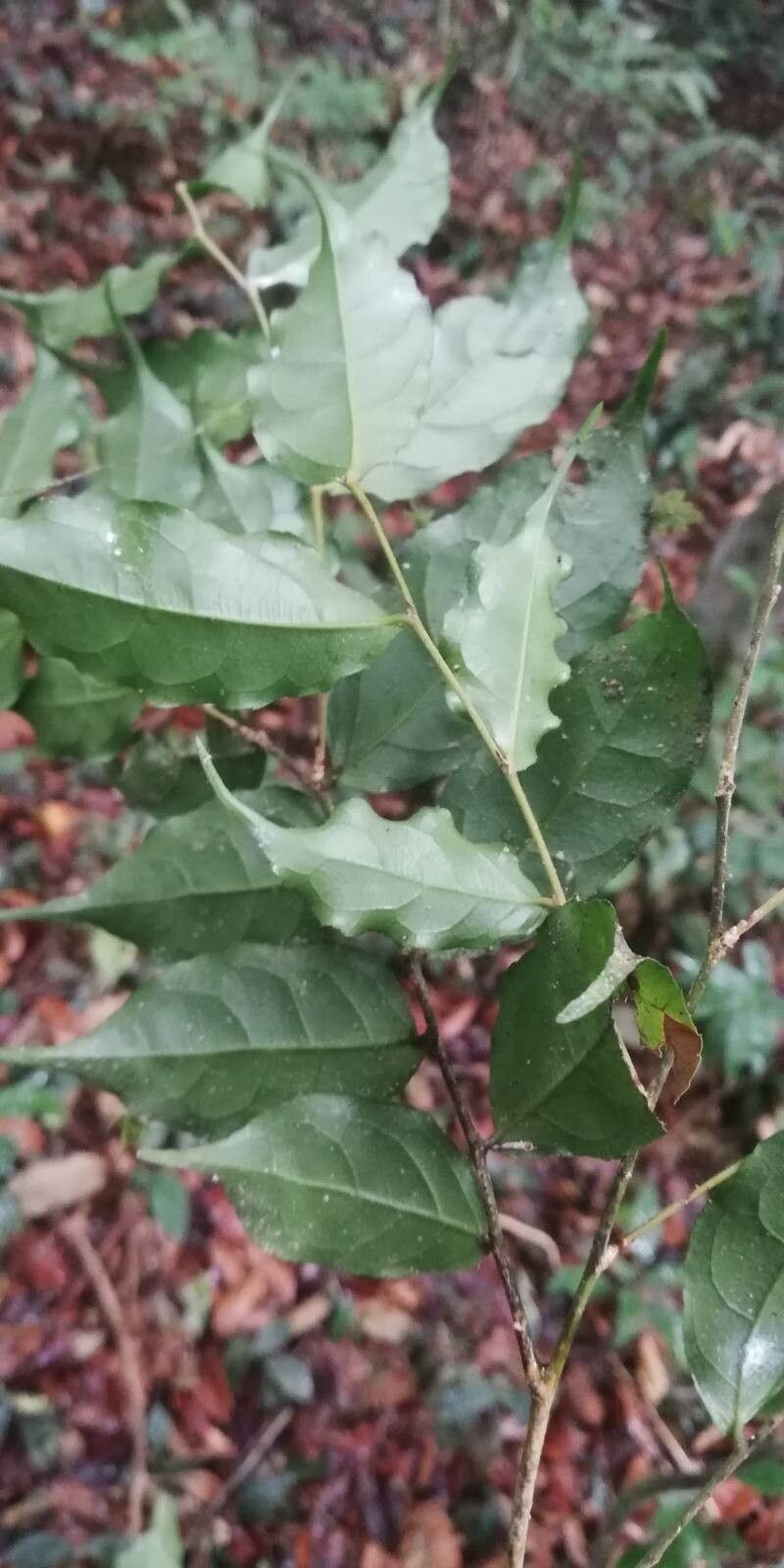
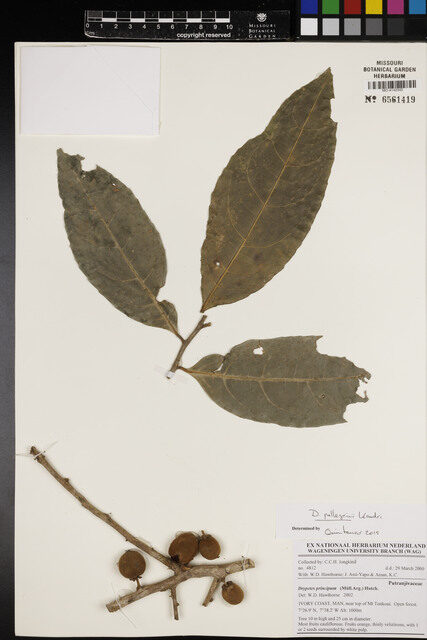
A small tree. It grows 5 m high. The trunk is 20 cm across. The flowers are greenish-yellow or white. They grow on the main stem. The fruit are red or orange.
Edible Uses
The fruit are eaten.
Medicinal Uses
Bark and fruits are used to prepare dressings to maturate boils and carbuncles.
Known Hazards
The bark is considered toxic in some parts of its range, and it is used to prepare poison-bait for rats, mice and other noxious animals.
Distribution
A tropical plant. It grows in the under-storey in closed forest in West Africa.
Where It Grows
Africa, Cameroon, Côte d'Ivoire, Ghana, Guinea, Guinée, Ivory Coast, Liberia, West Africa,
Cultivation
A dioecious species, both male and female forms need to be grown if fruit and seed are required.
Other Uses
In Liberia the wood reaches sufficient size for the making of small rice-mortars to about 30 cm diameter.
Notes
There are about 200 Drypetes species.
Also Known As
Kokwanie, Kpahn-wi
References (8)
- Abbiw, D.K., 1990, Useful Plants of Ghana. West African uses of wild and cultivated plants. Intermediate Technology Publications and the Royal Botanic Gardens, Kew. p 47
- Burkill, H. M., 1985, The useful plants of west tropical Africa, Vol. 2. Kew.
- Busson, 1965,
- Dalziel, J. M., 1937, The Useful plants of west tropical Africa. Crown Agents for the Colonies London.
- Jardin, C., 1970, List of Foods Used In Africa, FAO Nutrition Information Document Series No 2.p 134
Show all 8 references Hide references
- Peters, C. R., O'Brien, E. M., and Drummond, R.B., 1992, Edible Wild plants of Sub-saharan Africa. Kew. p 110
- Vascular Plants of Korup National Park. korupplants.myspecies.info
- World Checklist of Useful Plant Species 2020. Royal Botanic Gardens, Kew