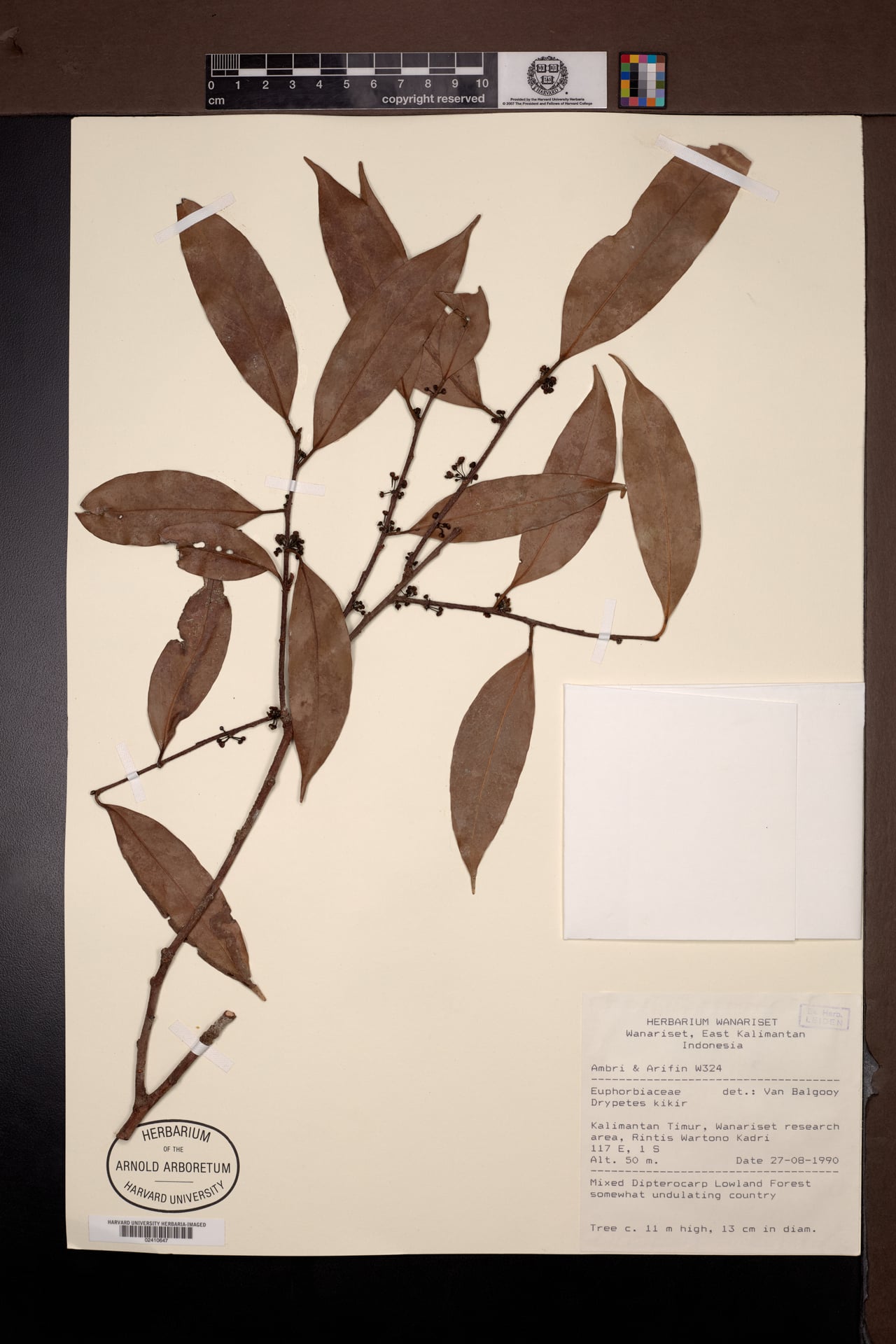
Drypetes lateriflora
(Sw.) Krug & Urb.
iNaturalist· cc-by
(c) Alexis López Hernández, some rights reserved (CC BY), uploaded by Alexis López Hernández
iNaturalist· cc-by-nc
(c) Alan R. Franck, some rights reserved (CC BY-NC), uploaded by Alan R. Franck
iNaturalist· cc-by
(c) Alexis López Hernández, some rights reserved (CC BY), uploaded by Alexis López Hernández
Summary
Source: WikipediaDrypetes lateriflora, the Guiana plum, is a species of flowering plant in the family Putranjivaceae. It is native to Mexico, Central America, southern Florida, and the Caribbean. A tree reaching 30 ft (9 m), it is typically found in hammocks. It is assessed as Least Concern.
Description
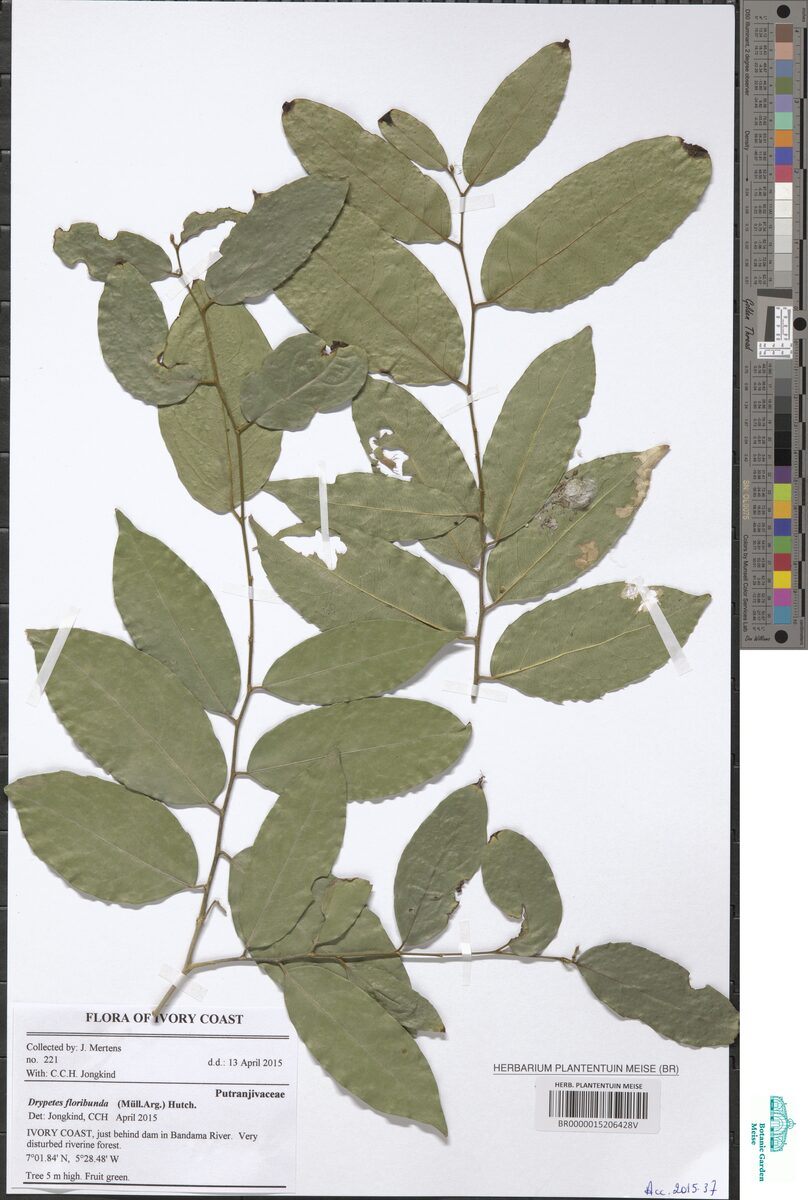
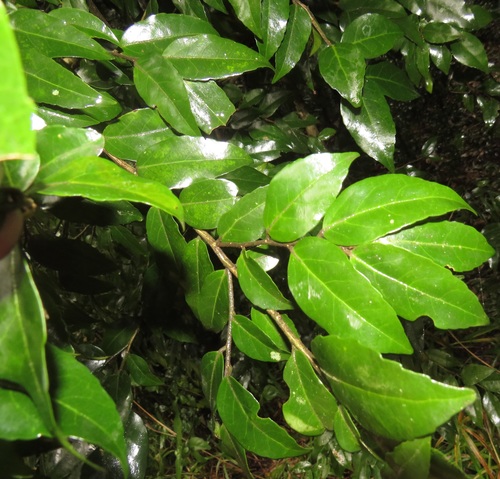
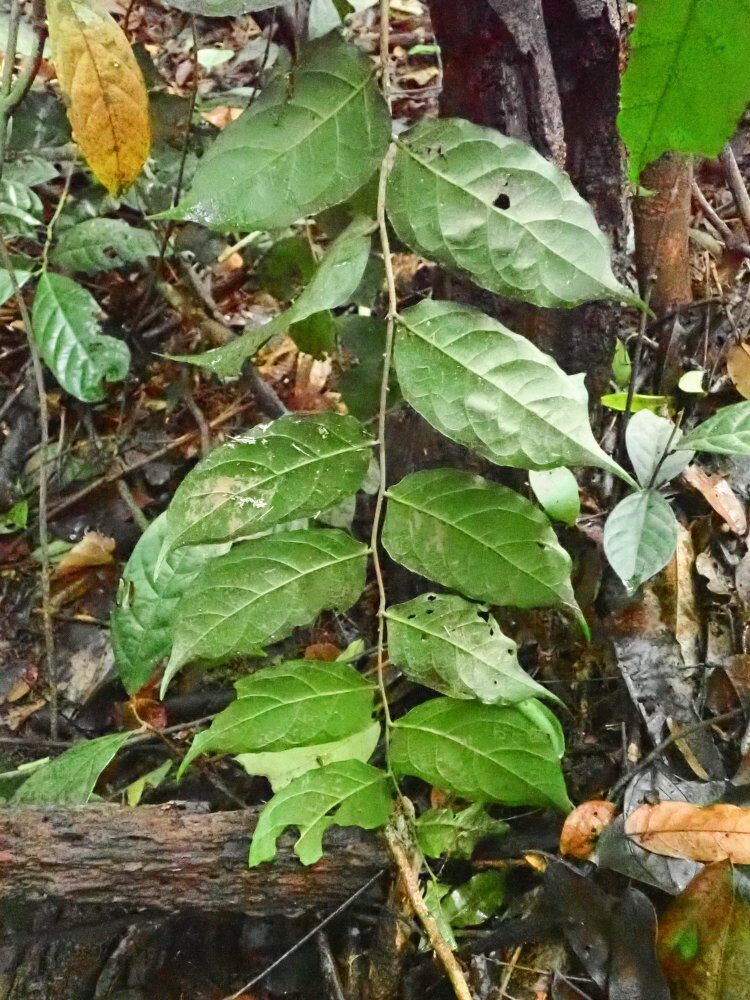
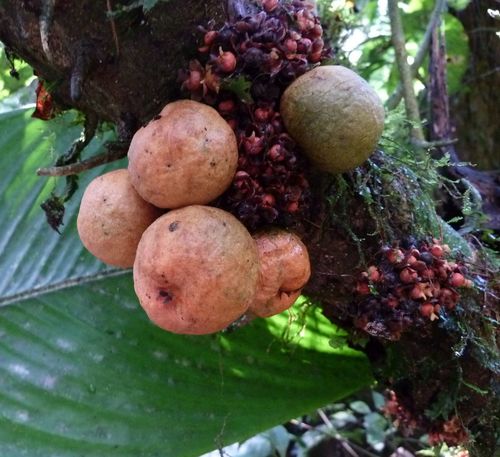
A tree. It grows 10 m tall. The bark is light brown and rough and scaly. The leaves are narrowly oval and 4-12 cm long by 1.5-5 cm wide. The fruit are orange to red and 10-13 mm long by 8-11 mm wide. There is usually one seed in each fruit.
Edible Uses
The fruit is edible.
Distribution
It is a tropical plant. It grows up to 520 m above sea level.
Where It Grows
Central America, Costa Rica, Dominican Republic, Mexico, Nicaragua, North America, USA, West Indies,
Synonyms
References (1)
- Reis, S. V. and Lipp, F. L., 1982, New Plant Sources for Drugs and Foods from the New York Botanical Garden herbarium. Harvard. p 156