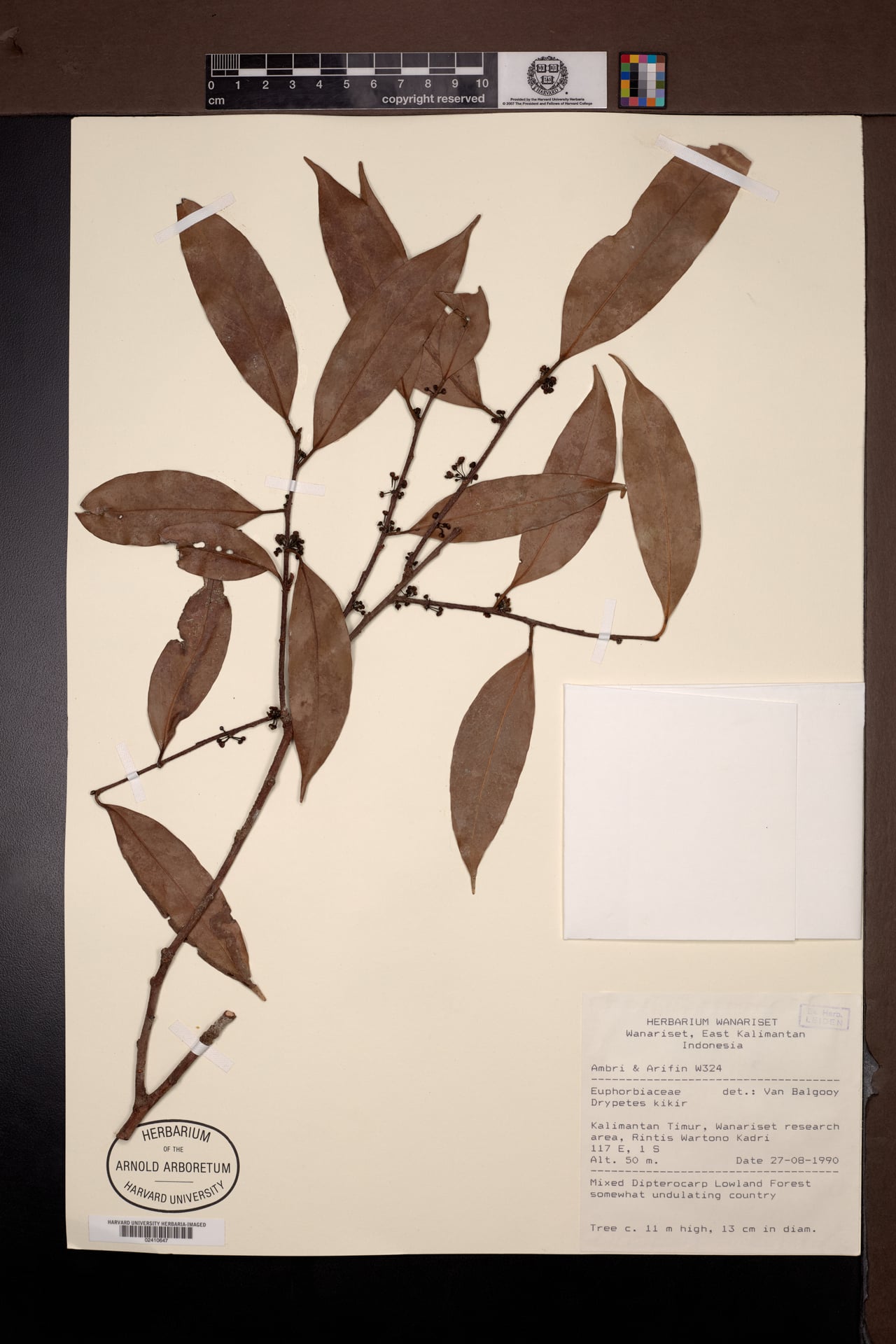
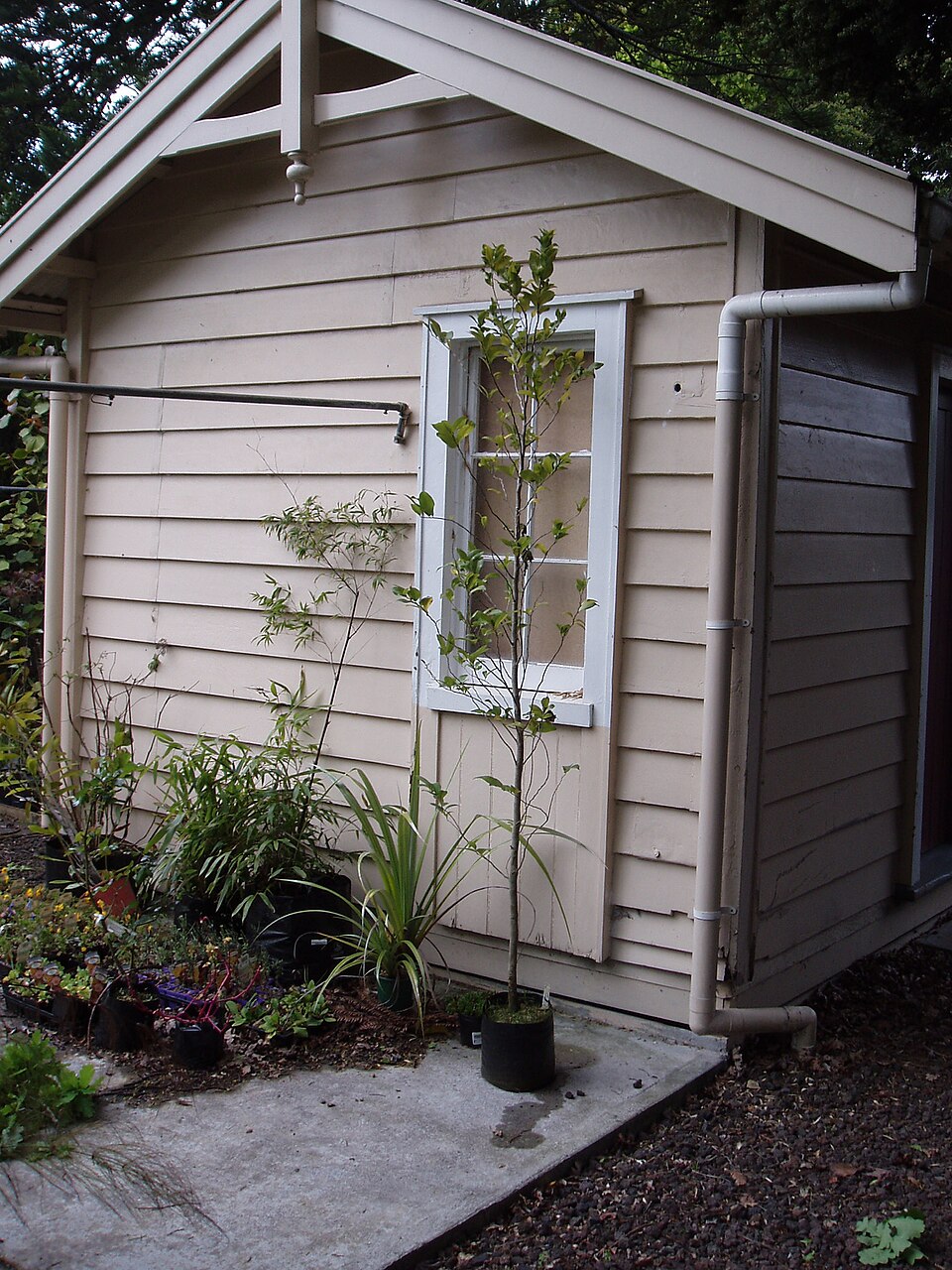
Drypetes deplanchei
(Brogn. & Gris) Merr.
Yellow Tulipwood
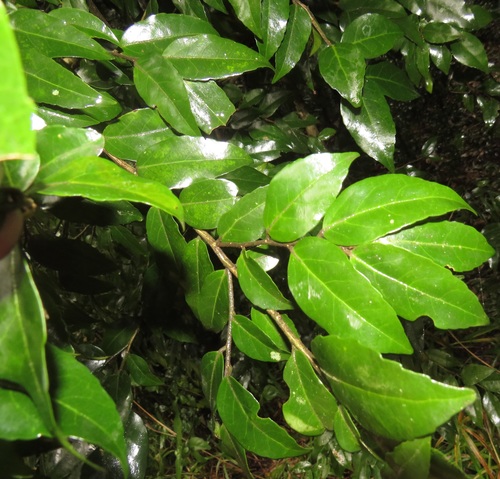
iNaturalist· cc-by-nc
(c) Victor W Fazio III, some rights reserved (CC BY-NC), uploaded by Victor W Fazio III
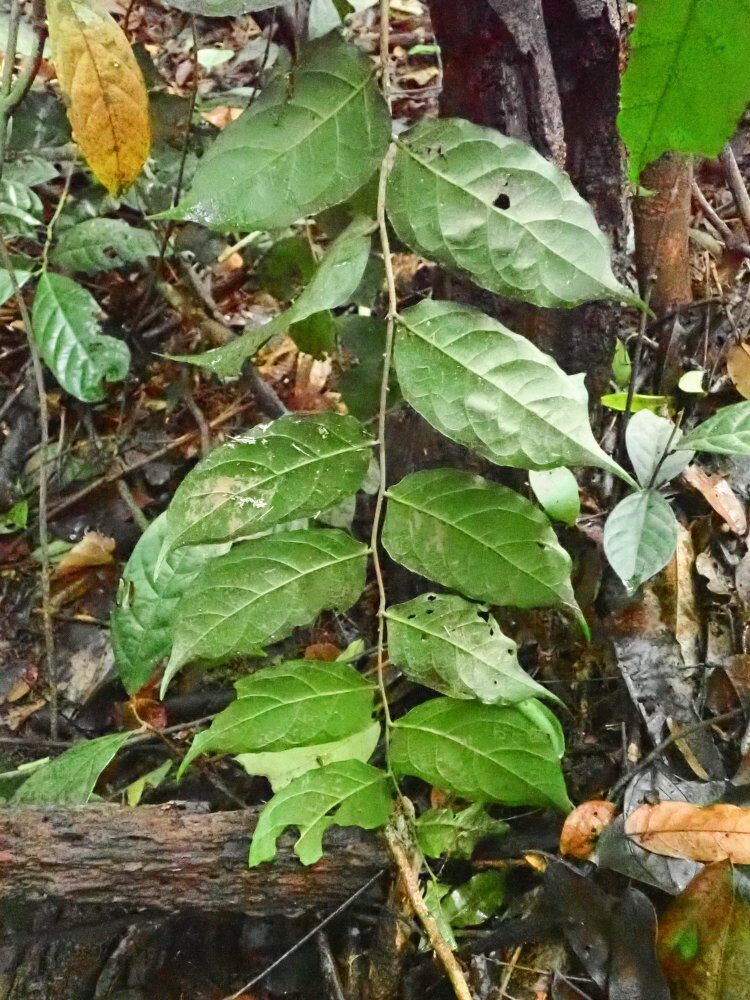
iNaturalist· cc-by-nc
(c) Geoffrey Sinclair, some rights reserved (CC BY-NC), uploaded by Geoffrey Sinclair
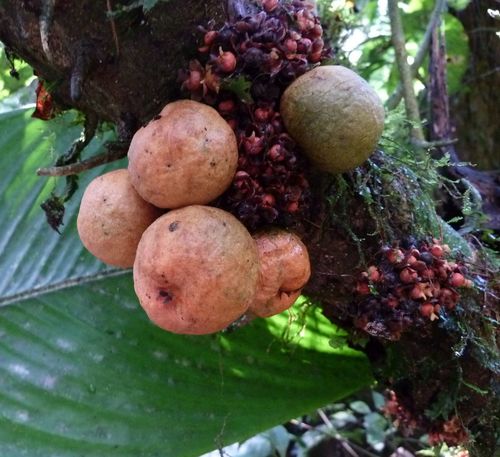
iNaturalist· cc-by-nc
(c) Ian McMaster, some rights reserved (CC BY-NC), uploaded by Ian McMaster
Summary
Source: WikipediaDrypetes deplanchei is a tree of eastern and northern Australia. It also occurs in New Caledonia and Lord Howe Island. The genus is derived from the Greek, dryppa meaning "olive fruit". The species named after Dr. Emile Deplanche, who collected this plant at New Caledonia. Common names include yellow tulip, grey boxwood, white myrtle, grey bark and yellow tulipwood.
Description
A small tree. It grows 5-25 m high. The trunk is straight. The leaves are smooth, alternate and leathery. The young leaves are prominent teeth and older leaves are more smooth. They can be wavy at the edge. The leaves are 0.8-15 cm long by 0.6-6 cm wide. Male and female flowers are on separate trees. The flowers are usually in clusters. They are 4-6 mm across. There are no petals but 4 or 5 sepals that can be green, white or yellow. The fruit are oval and red when ripe. They are 1-2 cm long and 0.8-1.1 cm wide. The flesh inside is yellow. There is one seed.
Edible Uses
Previously used as bullock whip handles, in the Richmond River district, northern New South Wales. Indigenous Australians ate the fruit raw, and used leaves in cooking, as well as carving the wood. Early settlers on Lord Howe Island used the timber for sea piles because the sap repels marine worms.
Traditional Uses
The oval fruit are eaten when ripe. The leaves are used to flavour seafood dishes.
This uses section is brief — help expand it
Distribution
It is a tropical plant. It grows in monsoon vine forests in coastal areas. In tropical Australia it grows from sea level to 800 m altitude. Mt Cootha Botanical Gardens. It is native to coastal rainforests in Australia. They suit hardiness zones 9-11.
Where It Grows
Australia*, New Caledonia, Pacific, Papua New Guinea, PNG,
Cultivation
Plants can be grown from fresh seed.
Notes
There are about 200 Drypetes species.
Synonyms
Also Known As
Karpilitu
References (16)
- Cherikoff V. & Isaacs, J., The Bush Food Handbook. How to gather, grow, process and cook Australian Wild Foods. Ti Tree Press, Australia p 144 (As Drypetes australasica)
- Cooper, W. and Cooper, W., 2004, Fruits of the Australian Tropical Rainforest. Nokomis Editions, Victoria, Australia. p 183
- Cribb, A.B. & J.W., 1976, Wild Food in Australia, Fontana. p 75 (As Drypetes australasica)
- Elliot, W.R., & Jones, D.L., 1984, Encyclopedia of Australian Plants suitable for cultivation. Vol 3. Lothian. p 371 (As Drypetes australasica)
- Etherington, K., & Imwold, D., (Eds), 2001, Botanica's Trees & Shrubs. The illustrated A-Z of over 8500 trees and shrubs. Random House, Australia. p 269
Show all 16 references Hide references
- Jackes, B.R., 2001, Plants of the Tropics. Rainforest to Heath. An Identification Guide. James Cook University. p 52
- Melzer, R. & Plumb, J., 2011, Plants of Capricornia. Belgamba, Rockhampton. p 120
- Morley, B.D., & Toelken, H.R., (Eds), 1983, Flowering Plants in Australia. Rigby. p 135 (Hemicyclia australasica)
- Paczkowska, G. & Chapman, A.R., 2000, The Western Australian Flora. A Descriptive Catalogue. Western Australian Herbarium. p 245
- Roth, (Hemicyclia australasica)
- Specht, (Hemicyclia australasica)
- Tiwi Plants and Animals. 2001, Aboriginal flora and fauna knowledge from Bathurst and Melville Islands, northern Australia. Northern Territory Botanical Bulletin; No. 24 p 43
- Townsend, K., 1999, Field Guide to Plants of the Dry Tropics. Society for Growing Australian Plants, Townsville Branch Inc. p 44
- Williams, J.B., Harden, G.J., and McDonald, W.J.F., 1984, Trees and shrubs in rainforests of New South Wales and Southern Queensland. Univ. of New England, Armidale. p 75, 100 (As Drypetes australasica)
- Yallakool Reserve Plant List July 1, 2009 Off internet (As Drypetes australasica)
- Yunupinu Banjgul, Laklak Yunupinu-Marika, et al. 1995, Rirratjinu Ethnobotany: Aboriginal Plant Use from Yirrkala, Arnhem Land, Australia. Northern Territory Botanical Bulletin No 21. Parks and Wildlife Commission of the Northern Territory. p 36