Aesculus octandra
Marshall
Yellow buckeye, Sweet buckeye, Big buckeye
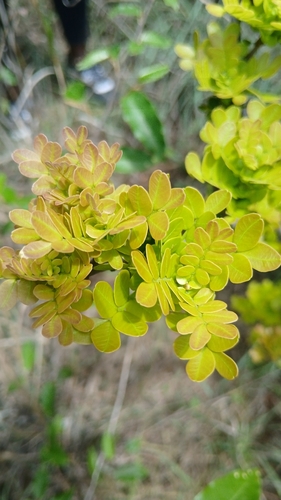
iNaturalist· cc-by-nc
(c) mbraca, some rights reserved (CC BY-NC)
iNaturalist· cc-by-nc
(c) mbraca, some rights reserved (CC BY-NC)
iNaturalist· cc-by
(c) Sandy Wolkenberg, some rights reserved (CC BY)
Description
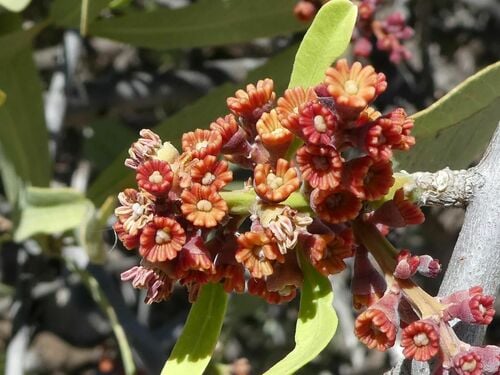
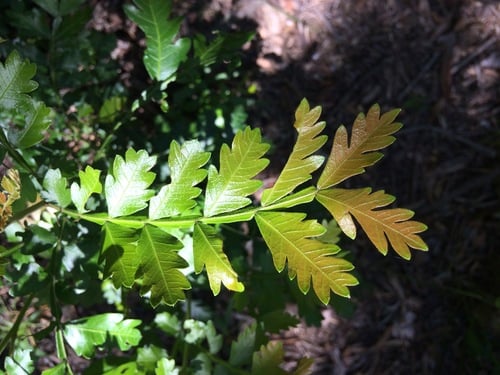
A tree. The crown is rounded. It grows 21-27 m high. The trunk is 60-90 cm across. The leaves are opposite and divided into leaflets like fingers on a hand. The leaf stalks are slender and 9-18 cm long. The leaflets are 10-20 cm long by 4-7.5 cm wide. They have teeth along the edge. The flowers are 3 cm long and with 4 very unequal petals. They are in upright clusters 10-15 cm long at the ends of branches. The fruit are 5-7.5 cm across. They are pale brown and smooth. There are 1-3 large brown seeds.
Edible Uses
The seeds are eaten as nuts; however, the toxic element must be removed by roasting and soaking before consumption.
Traditional Uses
CAUTION The seeds are poisonous. The toxic element needs to be removed by roasting and soaking before being eaten.
This uses section is brief — help expand it
Known Hazards
The seed is very rich in saponins which are poisonous and are poorly absorbed in the human body, but can pass through without harm. Eating large portions of food that contain saponins is not a good idea, poisoning is rare but abdominal pain is possible. A paste is made from the seeds which is used in bookbinding to deter insect damage.
Distribution
It is a temperate plant. It grows between 150-1900 m altitude in SE of the USA. It grows on streambanks,
Where It Grows
Canada, North America, USA,
Notes
There are 15 Aesculus species. Also put in the family Hippocastanaceae.
References (5)
- Arbust. amer. 4. 1785
- Brouk, B., 1975, Plants Consumed by Man. Academic Press, London. p 214
- Krochmal, A. & Krochmal, C., 1982, Uncultivated Nuts of The United States. United States Department of Agriculture Forest Service. p 32
- Little, E.L., 1980, National Audubon Society Field Guide to North American Trees. Alfred A. Knopf. p 586
- Wickens, G.E., 1995, Edible Nuts. FAO Non-wood forest products. FAO, Rome. p 132