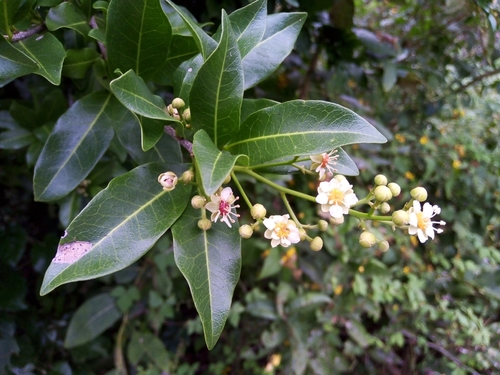
Hedyachras philippinensis
Radlk.
Mamoko
wikimedia· cc-by
Board of Trustees, RBG Kew (via Wikimedia Commons)
wikimedia· pd
No machine-readable author provided. Noles1984~commonswiki assumed (based on copyright claims). (via Wikimedia Commons)
wikimedia· cc-by-sa
fir0002 flagstaffotos [at] gmail.com Canon 20D + Tamron 28-75mm f/2.8 (via Wikimedia Commons)
Description
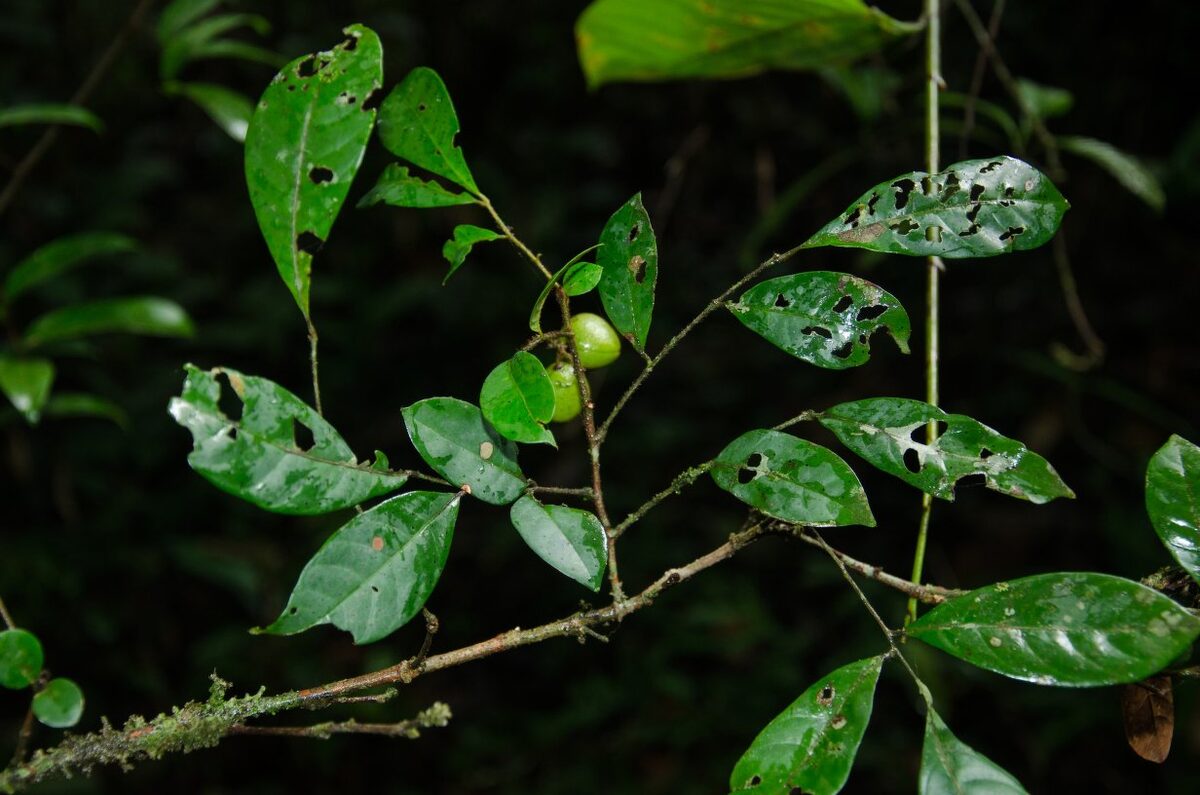
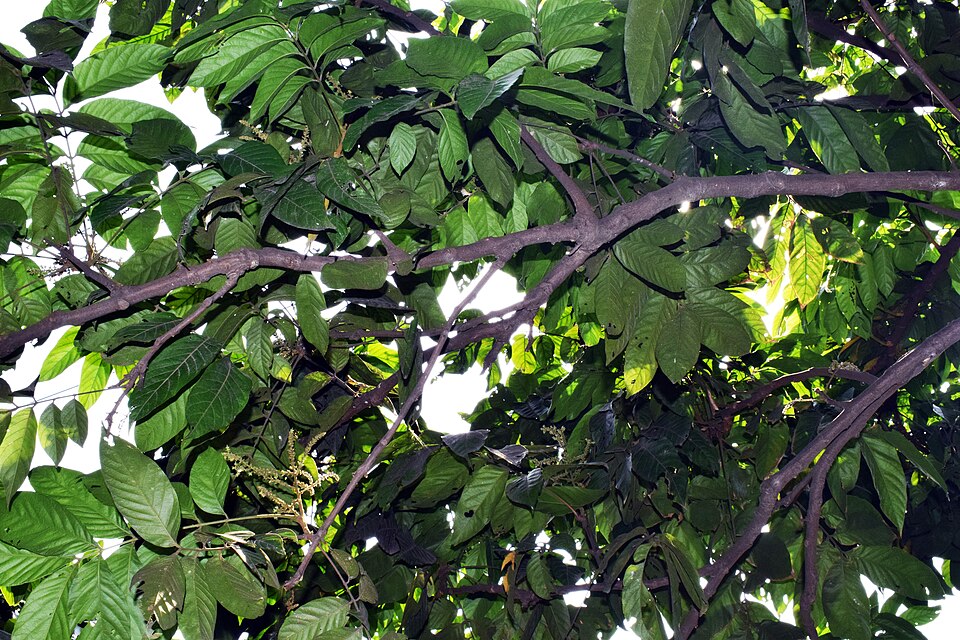
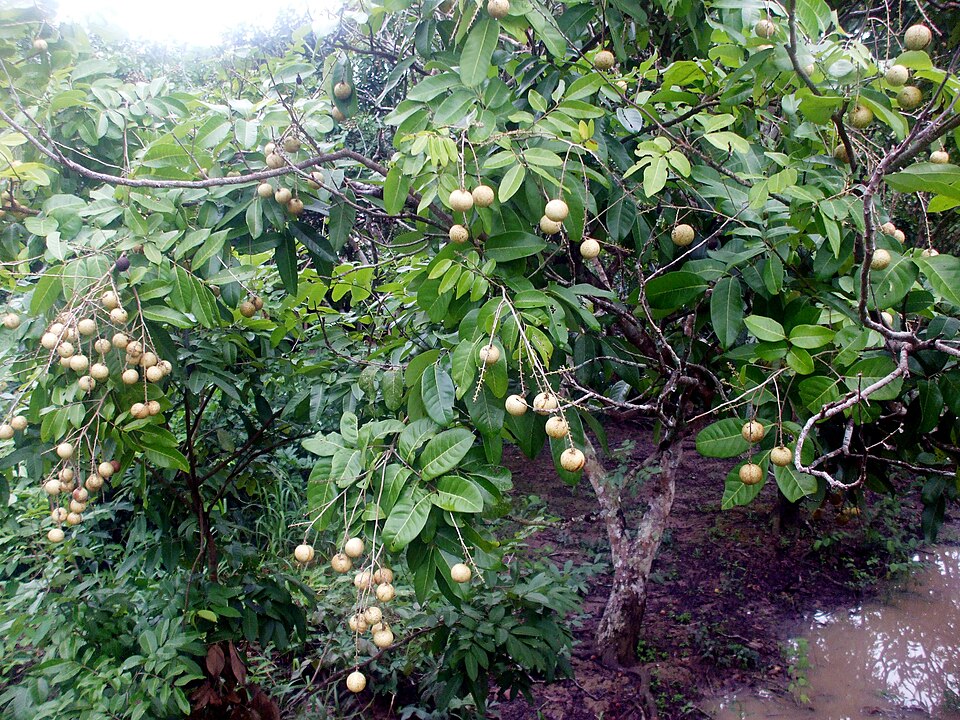
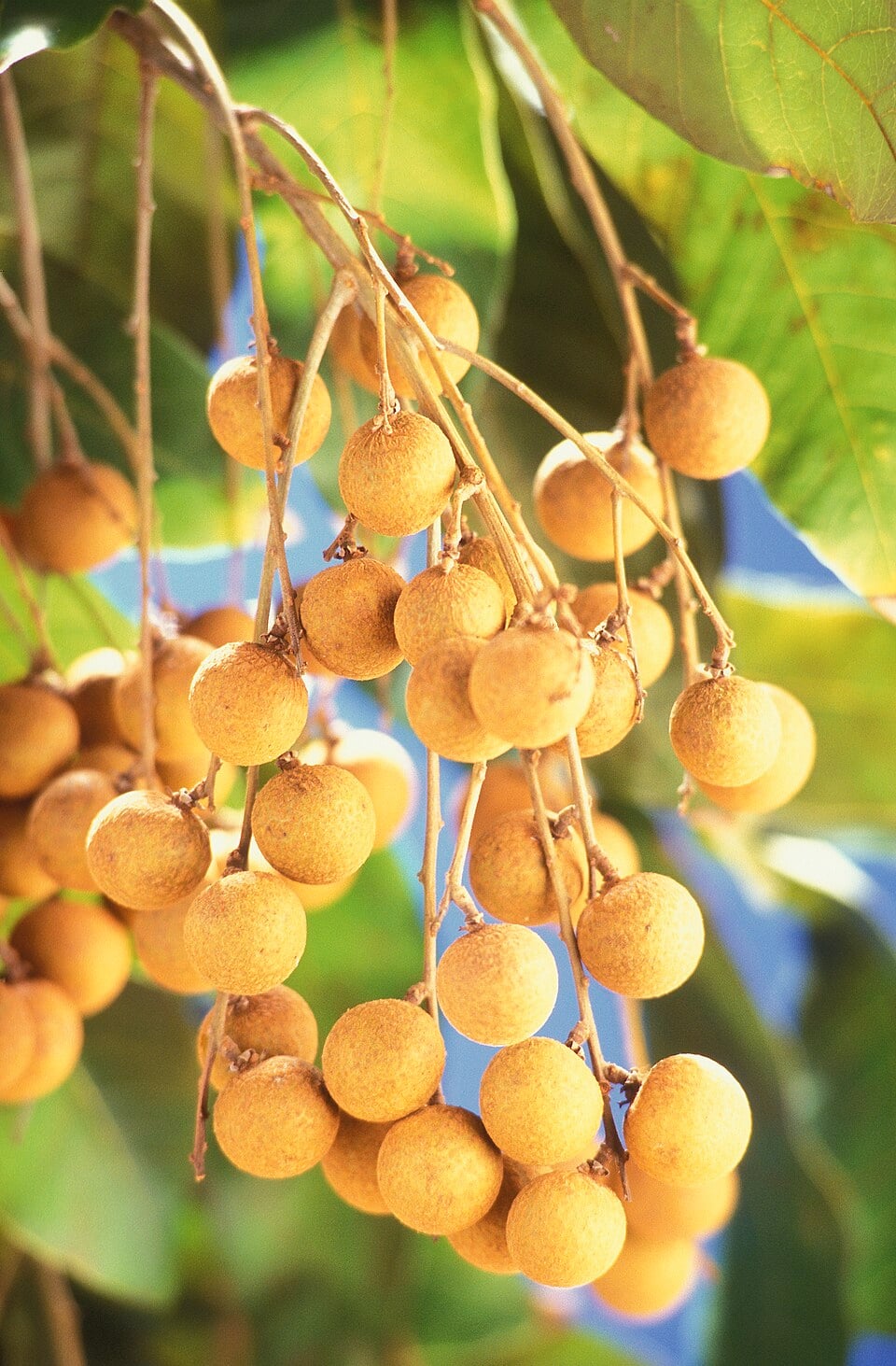
A medium sized tree. The leaves are alternate and compound with 4 to 5 pairs of opposite leaflets. These are pointed at the tip and rounded or pointed at the base. The flowers are small and greenish with a disagreeable smell. The occur in considerable numbers in compound flowering shoots. The fruit are 5 to 6 cm across and round, with a smooth thin skin and are fleshy.
Edible Uses
The fleshy portion of the fruit is eaten raw.
Traditional Uses
The fleshy portion of the fruit is eaten raw.
This uses section is brief — help expand it
Distribution
A tropical plant. They occur in the Philippines in Laguna in areas of shrub and in forests along streams at low altitudes.
Where It Grows
Asia, Pacific, Philippines, SE Asia,
References (2)
- Brown, W.H., 1920, Wild Food Plants of the Philippines. Bureau of Forestry Bulletin No. 21 Manila. p 100
- Monsalud, M.R., Tongacan, A.L., Lopez, F.R., & Lagrimas, M.Q., 1966, Edible Wild Plants in Philippine Forests. Philippine Journal of Science. p 542