Haplocoelum gallaense
(Engl.) Radlk.
Umtambo tree, Galla plum
gbif· cc-by
The New York Botanical Garden
gbif· cc-by
Royal Botanic Gardens, Kew
gbif· cc-by
Royal Botanic Gardens, Kew
Description
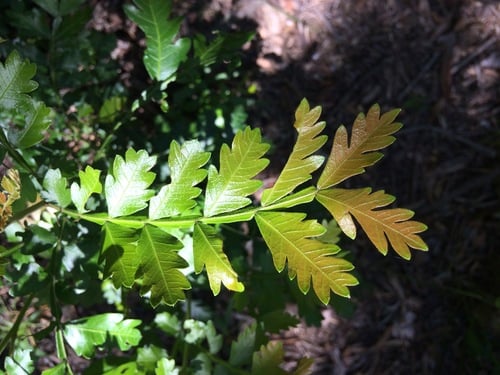
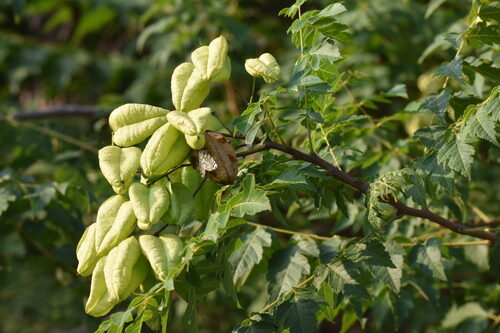
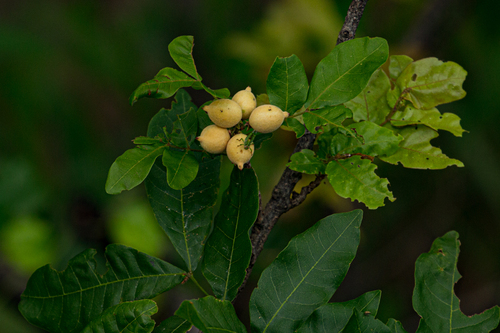
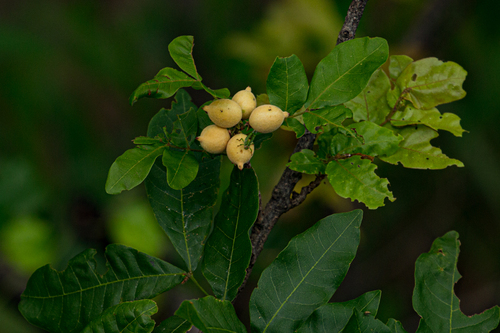
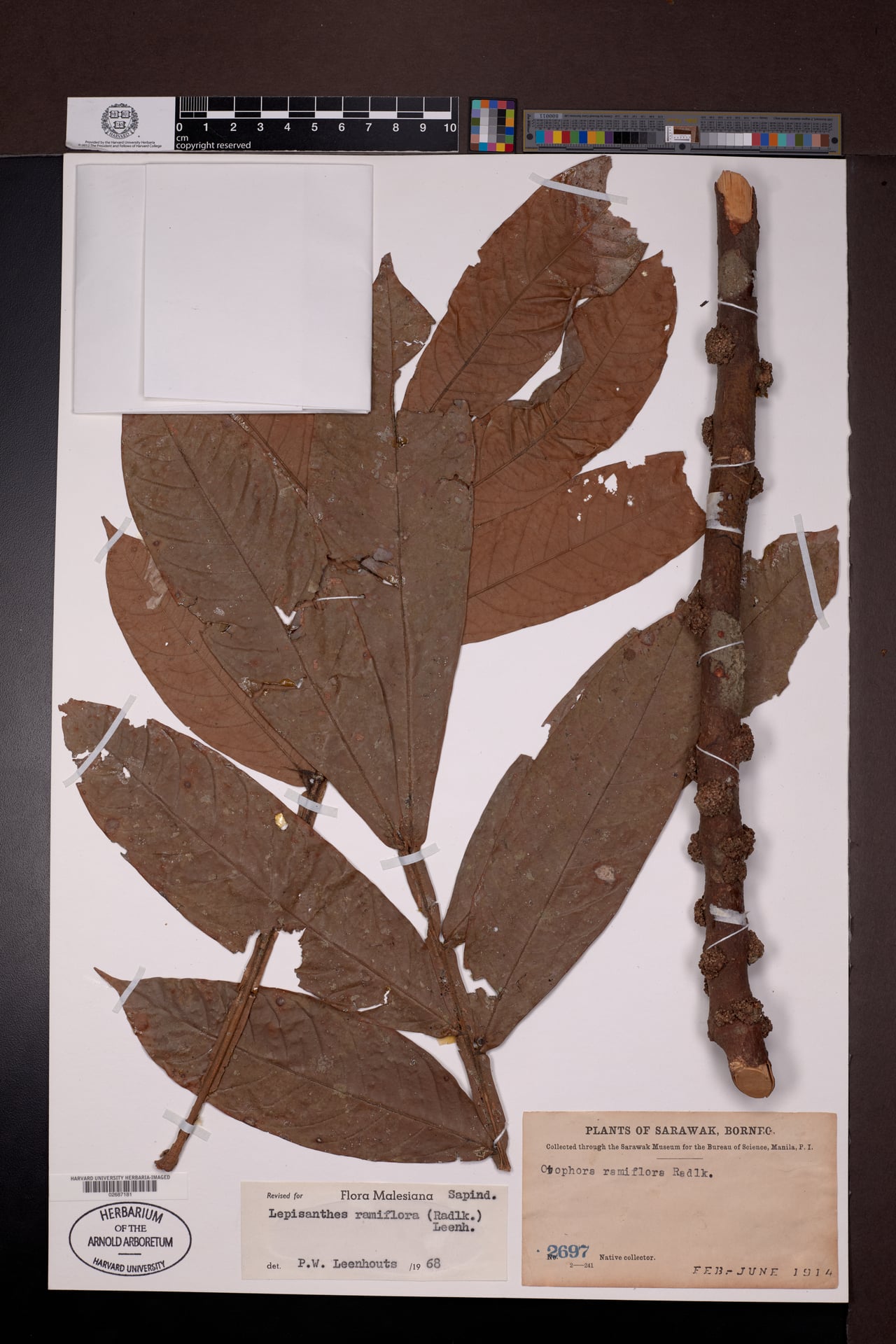
A tree. The leaves are compound. There are several pairs of leaflets without teeth. They are often unequal sided and end with a pair of leaflets. The leaflets tend to be rounded and oblong. The leaves are borne at the ends of the small branches. The flowers are small and brown. They are in short dense clusters in the axils of leaves. Male and female flowers are on separate trees. The fruit are red and round. They are 1.3-1.9 cm across. They are edible.
Edible Uses
The fruit are eaten raw.
Traditional Uses
The fruit are eaten raw.
This uses section is brief — help expand it
Distribution
It is a tropical plant. It occurs in dune forest and at low altitude in dry deciduous woodland.
Where It Grows
Africa, East Africa, Rwanda, South Africa, Southern Africa,
Notes
There are 8 Haplocoelum species.
Synonyms
Also Known As
Umushami
References (5)
- Palgrave, K.C., 1996, Trees of Southern Africa. Struik Publishers. p 533
- Palmer, E and Pitman, N., 1972, Trees of Southern Africa. Vol. 2. A.A. Balkema, Cape Town p 1357
- Peters, C. R., O'Brien, E. M., and Drummond, R.B., 1992, Edible Wild plants of Sub-saharan Africa. Kew. p 181
- Schatz, G.E., 2001, Generic Tree Flora of Madagascar. Royal Botanical Gardens, Kew and Missouri Botanical Garden. p 368
- Welcome, A. K. & Van Wyk, B.-E., 2019, An inventory and analysis of the food plants of southern Africa. South African Journal of Botany 122 (2019) 136–179