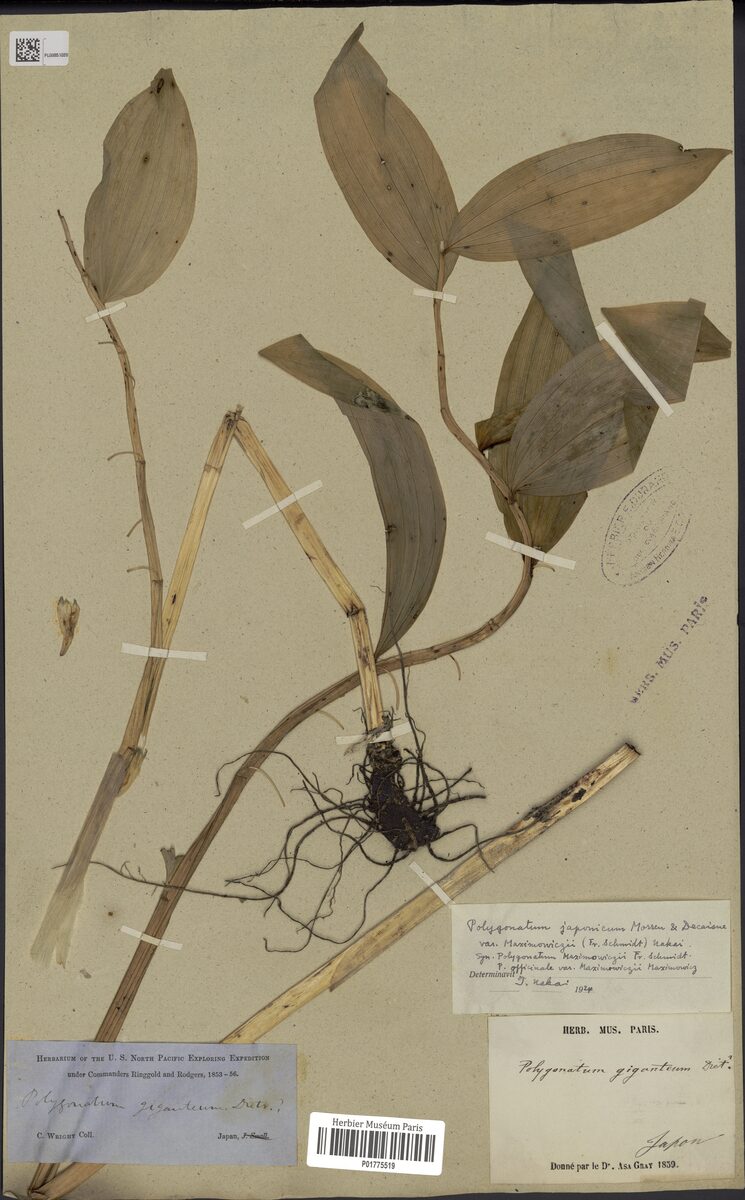
Dichelostemma capitatum subsp. pauciflorum
(Torr.) Keator
Bluedick
Asparagaceae Edible: Flowers, Root, Tuber
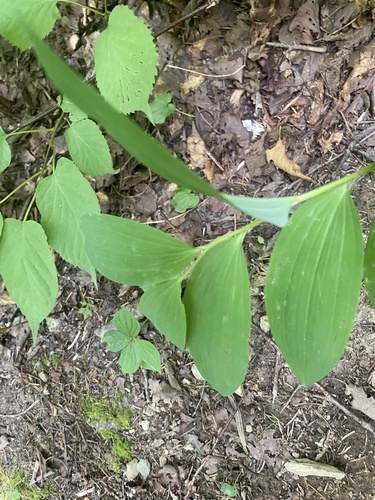
iNaturalist· cc-by-nc
(c) Rhonda Martin, some rights reserved (CC BY-NC)
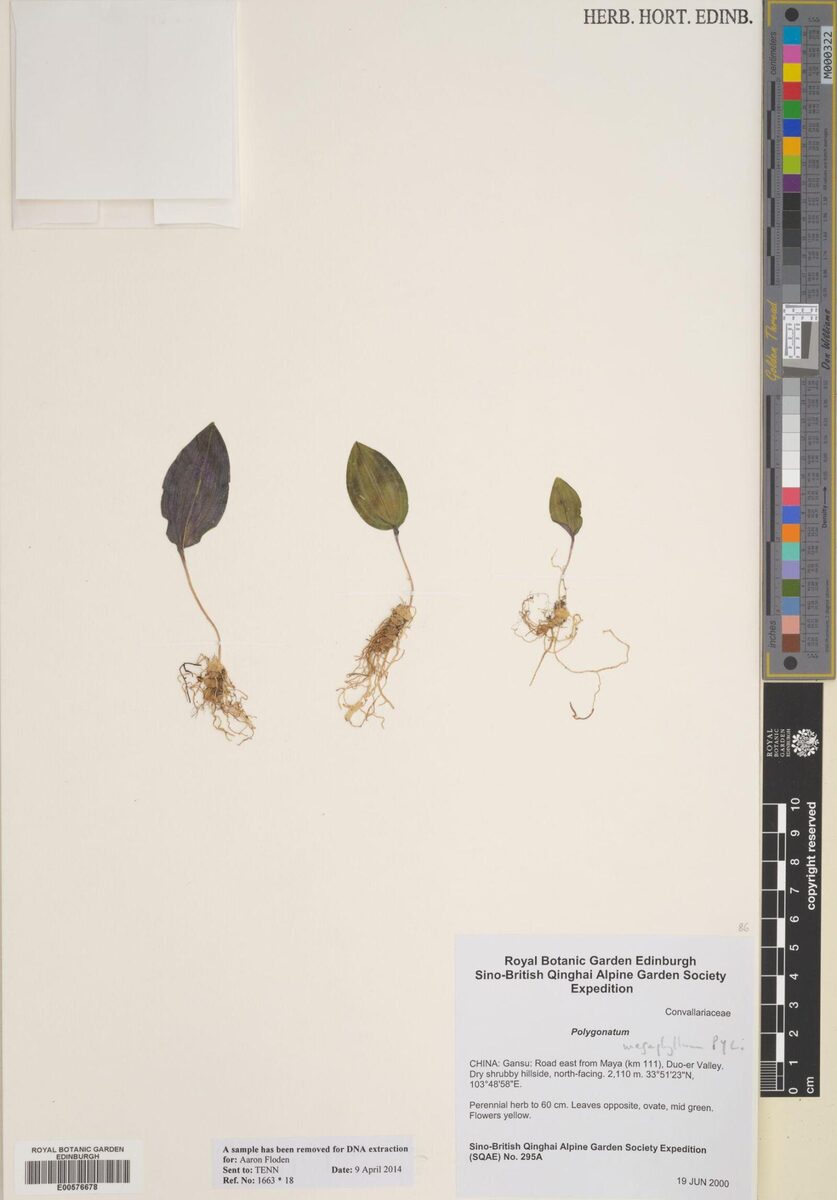
iNaturalist· cc-by-nc
(c) pleistocene, some rights reserved (CC BY-NC)
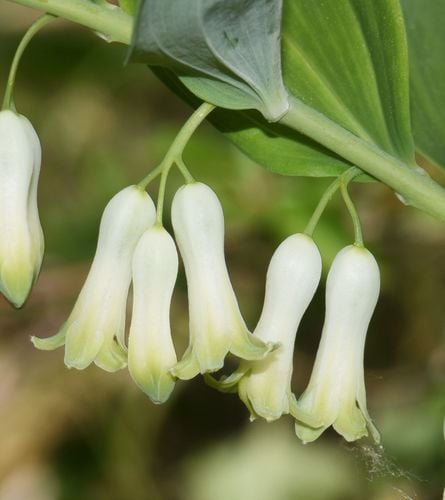
iNaturalist· cc-by-nc
(c) pleistocene, some rights reserved (CC BY-NC)
Description
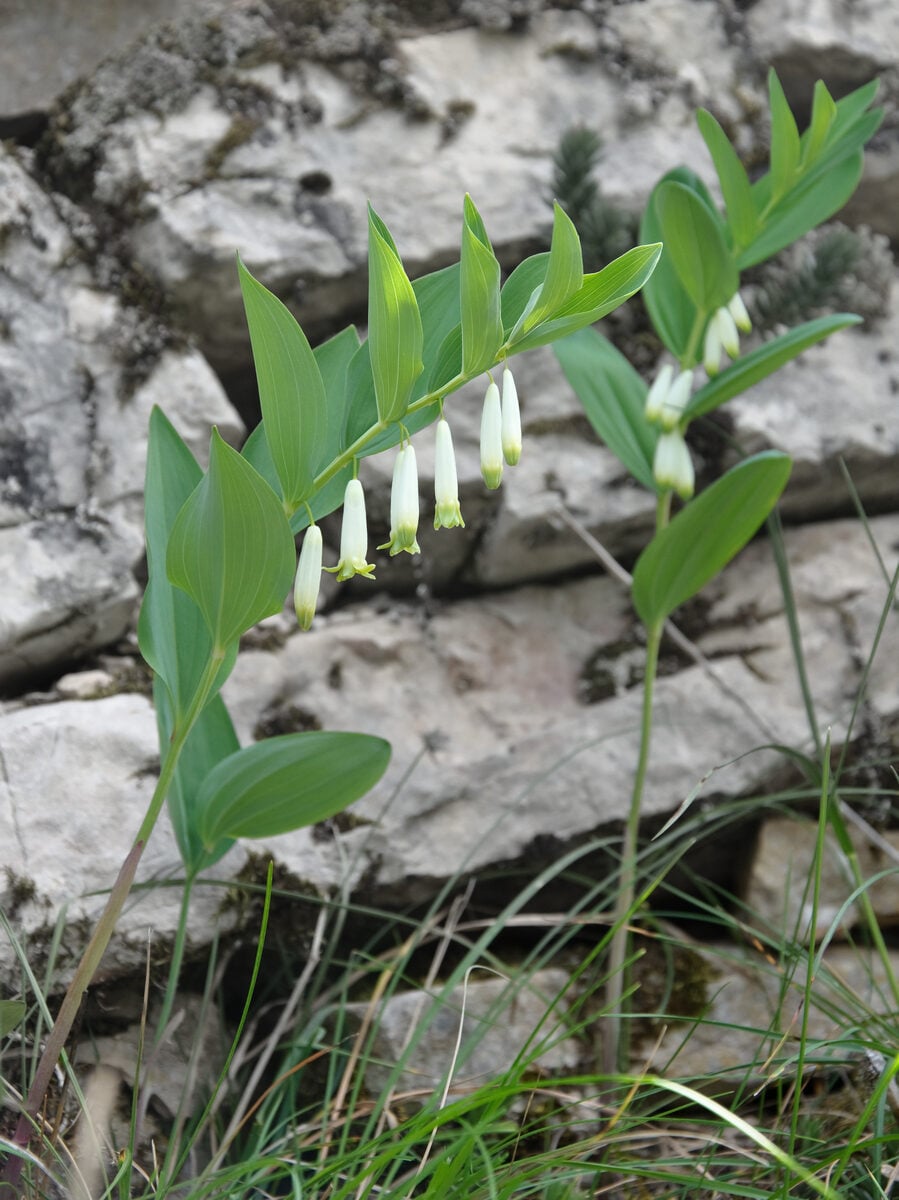
A herb that keeps growing from year to year. The bulbs are 2 cm long. The leaves are 5 mm wide and 27-32 cm long. The flowers are 1 cm long and violet to blue.
Edible Uses
The corms are eaten raw, fried, roasted, or boiled.
Traditional Uses
The corms are eaten raw, fried, roasted or boiled.
This uses section is brief — help expand it
Distribution
It grows in wetlands and along rivers. Arizona
Where It Grows
Australia, North America, USA,
Notes
Possibly now Dichelostemma capitatum ssp. pauciflorum Also put in the family Themidaceae.
Synonyms
Brodiaea capitata var. pauciflora Torr.Brodiaea pulchella var. pauciflora (Torr.) C. V. MortonDichelostemma pauciflorum (Torr.) Standl.Dichelostemma pulchellum var. pauciflorum (Torr.) HooverDipterostemon pauciflorus (Torr.) Rydb.Hookera pauciflora (Torr.) Tidestr.Milla capitata var. pauciflora (Torr.) Baker
References (9)
- Beckstrom-Sternberg, Stephen M., and James A. Duke. "The Foodplant Database." http://probe.nalusda.gov:8300/cgi-bin/browse/foodplantdb.(ACEDB version 4.0 - data version July 1994)
- Brickell, C. (Ed.), 1999, The Royal Horticultural Society A-Z Encyclopedia of Garden Plants. Convent Garden Books. p 364
- CASTETTER & BELL,
- CASTETTER & UNDERHILL
- Facciola, S., 1998, Cornucopia 2: a Source Book of Edible Plants. Kampong Publications, p 7 (As Brodiaea pulchella)
Show all 9 references Hide references
- Hibbert, M., 2002, The Aussie Plant Finder 2002, Florilegium. p 86
- Lim, T. K., 2015, Edible Medicinal and Non Medicinal Plants. Volume 9, Modified Stems, Roots, Bulbs. Springer p 33
- MINNIS
- Plants for a Future database, The Field, Penpol, Lostwithiel, Cornwall, PL22 0NG, UK. http://www.scs.leeds.ac.uk/pfaf/