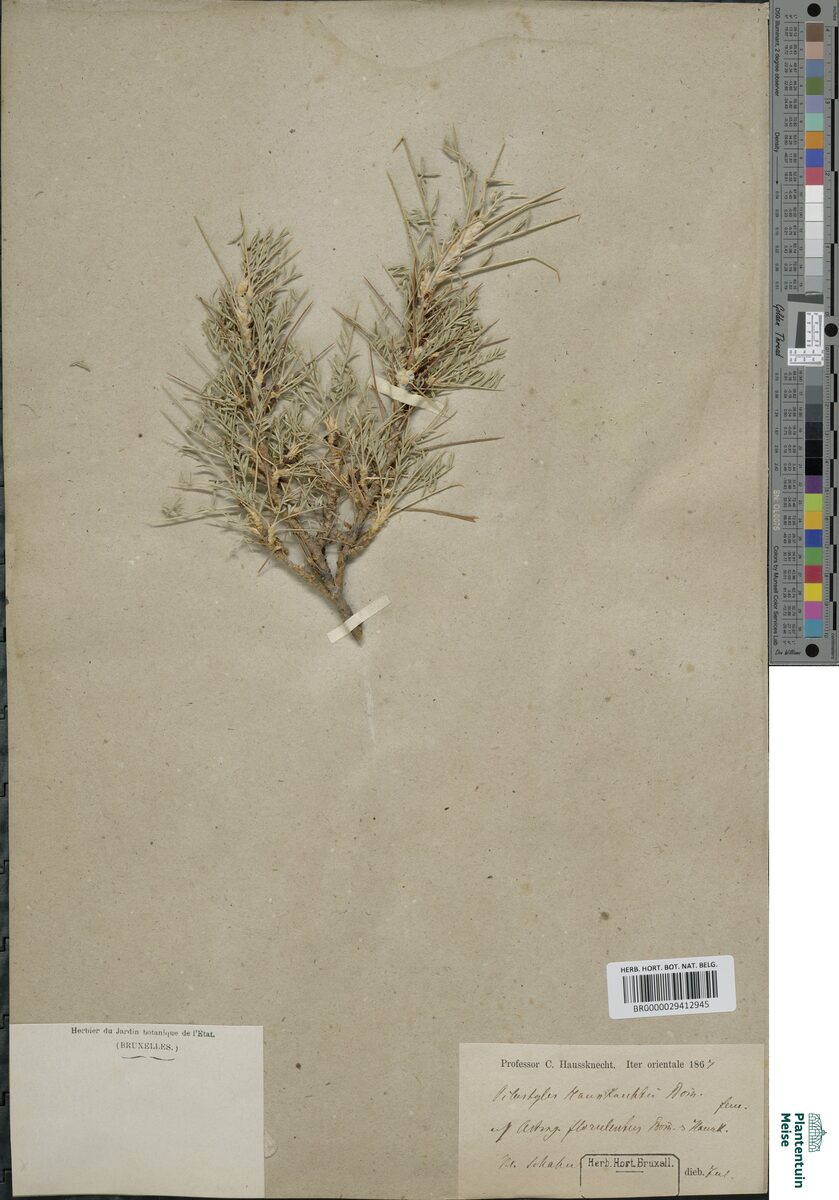
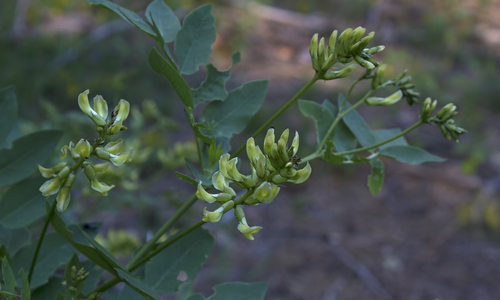
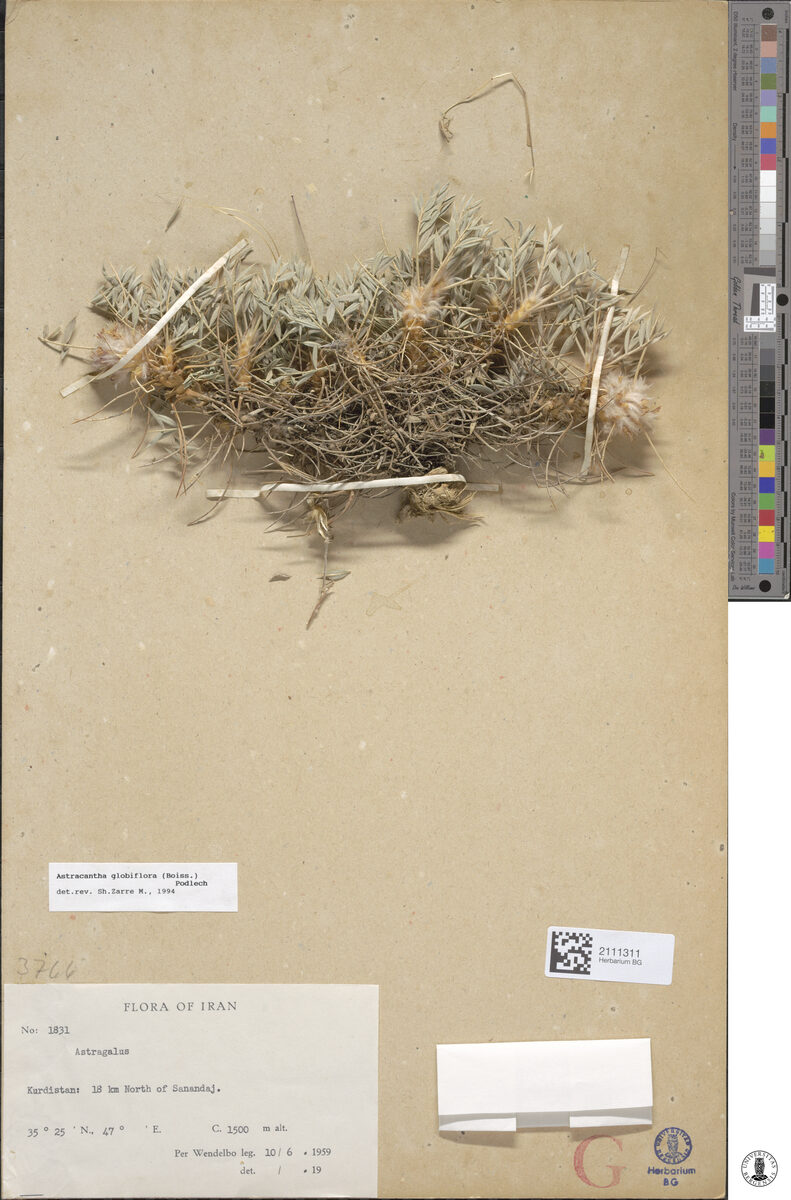
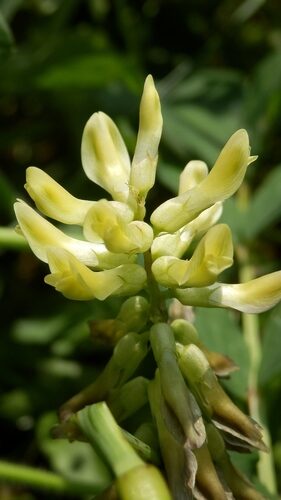
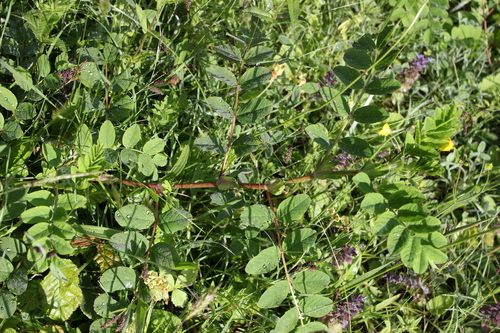
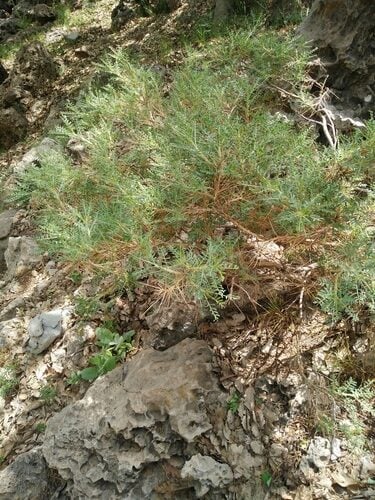
Hylodesmum podocarpum subsp. oxyphyllum
(DC.) H. Ohashi & R. R. Mill
iNaturalist· cc-by-sa
(c) harum.koh, some rights reserved (CC BY-SA), uploaded by harum.koh
iNaturalist· cc-by-nc
(c) onidiras-iNaturalist, some rights reserved (CC BY-NC), uploaded by onidiras-iNaturalist
iNaturalist· cc-by
(c) WATANABE Hitoshi 渡辺仁, some rights reserved (CC BY)
Description
A herb. It keeps growing from year to year. It has erect stems 50-110 cm tall.
This description is brief — help expand it
Edible Uses
The seeds are cooked and eaten, either steamed or ground into a powder.
Traditional Uses
The seeds are cooked and eaten. They are steamed or ground into a powder.
This uses section is brief — help expand it
Known Hazards
Stored seed can develop a hard seed coat requiring scarification before planting.
Distribution
It is a tropical plant. It needs a well-drained soil and sunny position. In subtropical SE Asia it grows between 1,100-1,400 m above sea level.
Where It Grows
Asia, Bhutan, China, Himalayas, India, Indochina, Indonesia, Japan, Korea, Laos, Myanmar, Nepal, Philippines, SE Asia, Taiwan, Vietnam,
Cultivation
Plants can be grown from seed. Stored seed can develop a hard seed coat which needs to be scratched and broken. This can be done by putting in warm but not boiling water.
Notes
There are about 350 Desmodium species. They are mostly in the tropics.
Synonyms
References (5)
- Altschul, S.V.R., 1973, Drugs and Foods from Little-known Plants. Notes in Harvard University Herbaria. Harvard Univ. Press. Massachusetts. no. 1771 (As Desmodium racemosum)
- Ann. Sci. Nat. (Paris) 4:102. 1825 Jan (As Desmodium podocarpum subsp. oxyphyllum)
- ILDIS Legumes of the World http:www:ildis.org/Legume/Web (As Desmodium podocarpum subsp. oxyphyllum)
- Plants for a Future database, The Field, Penpol, Lostwithiel, Cornwall, PL22 0NG, UK. http://www.scs.leeds.ac.uk/pfaf/ (As Desmodium podocarpum subsp. oxyphyllum)
- Prodr. 2:337. 1825 Nov (As Desmodium racemosum)