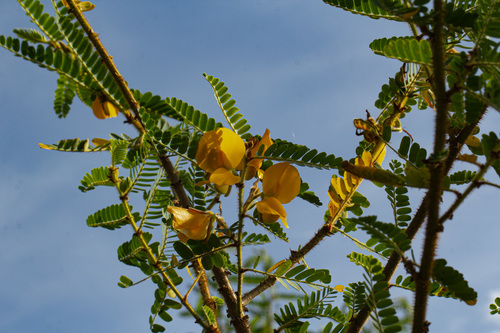
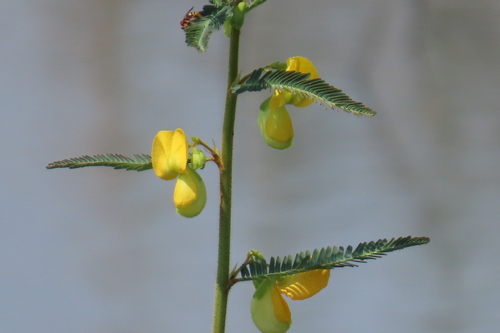
Glycyrrhiza echinata
Linn.
Wild liquorice, Spiny-fruited liquorice, Russian licorice
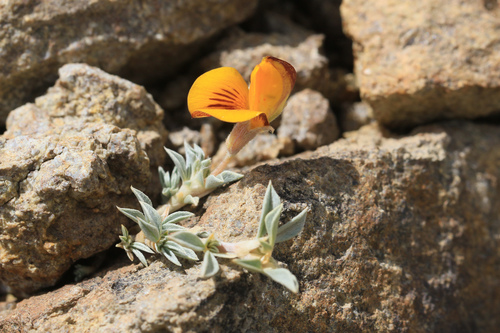
iNaturalist· cc-by-nc
(c) Kulakov Vitalii G., some rights reserved (CC BY-NC), uploaded by Kulakov Vitalii G.
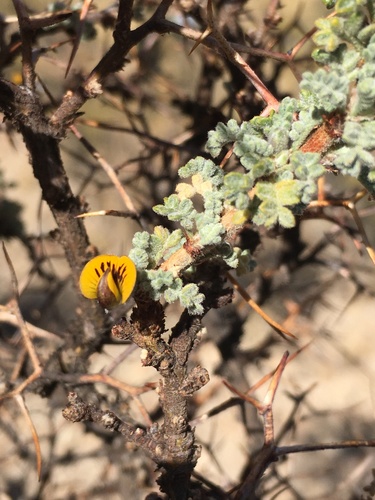
iNaturalist· cc-by-nc
(c) Kulakov Vitalii G., some rights reserved (CC BY-NC)
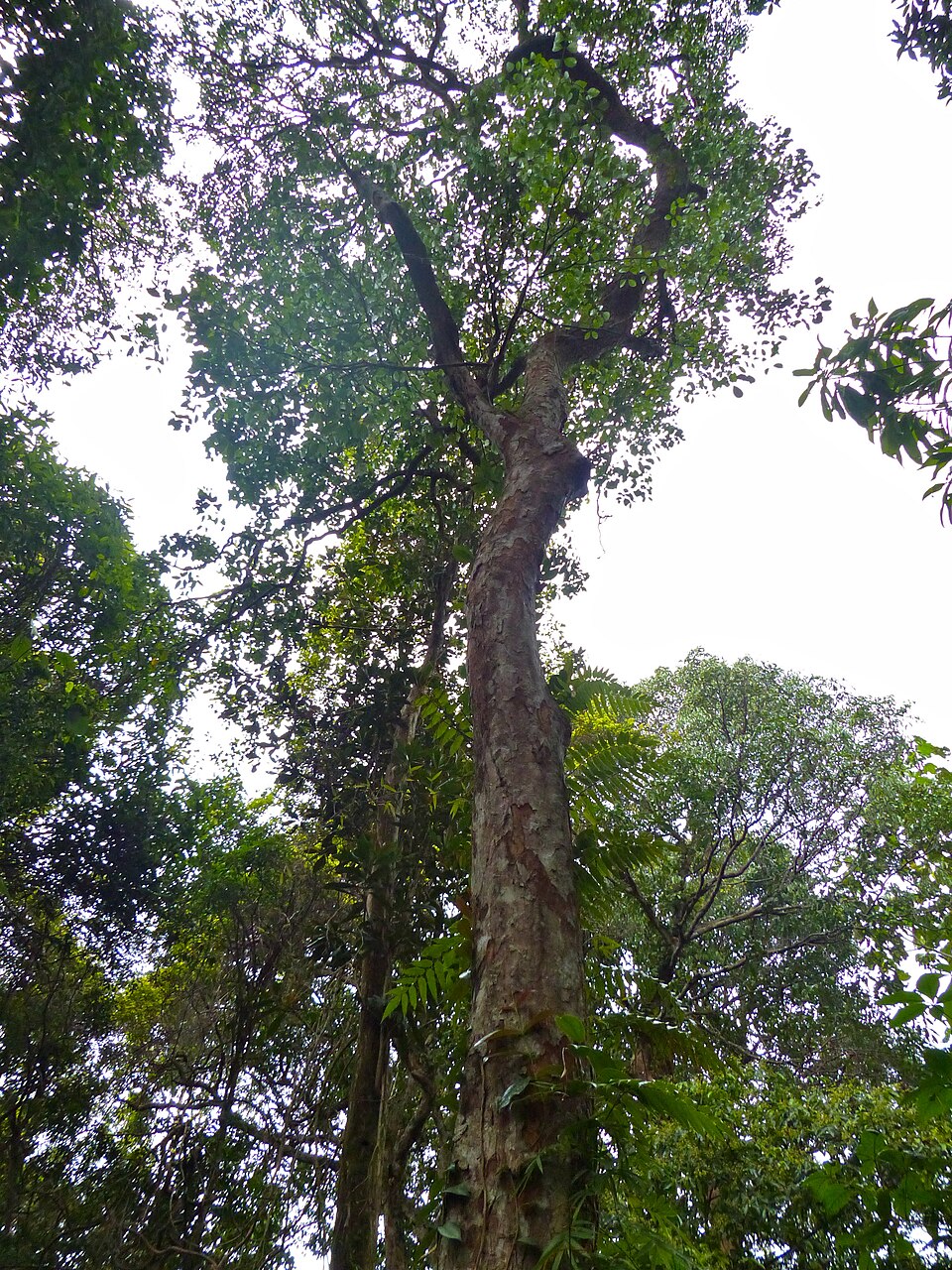
iNaturalist· cc-by-nc
(c) Kulakov Vitalii G., some rights reserved (CC BY-NC)
Summary
Source: WikipediaGlycyrrhiza echinata is a species of flowering plant in the genus Glycyrrhiza, with various common names that include Chinese licorice, German licorice, and hedgehog licorice, Eastern European licorice, Hungarian licorice, Prickly licorice, and Roman licorice.
Description
A herb. It keeps growing from year to year. It is like liquorice but taller. There are 2-6 pairs of leaflets. The pods are in distinctive heads. Each pod is 12-16 mm long. They have reddish-brown spines.
Edible Uses
The root can be eaten raw or cooked, though it is very fibrous. It is often boiled to extract its sugars and serves as the source of Russian and German liquorice, used as a confection, a sweetener, and medicinally. The root has a delicious sweet flavour and contains glycyrrhizin, a substance 50 times sweeter than sugar. The dried root is commonly chewed — it is especially useful for teething children and as a tooth cleaner. A tea made from the roots makes an excellent thirst quencher.
Traditional Uses
The roots are a source of licorice. They are used as a spice. The juice is squeezed out and drunk.
This uses section is brief — help expand it
Medicinal Uses
The root is alterative, expectorant, and tonic. It is usually combined with other herbs, partly to improve their flavour.
Distribution
It is a temperate plant. It grows in marshy places by streams and rivers.
Where It Grows
Asia, Australia, Balkans, Bulgaria, Caucasus, China, Europe, Germany, Greece, Hungary, Indochina, Iran, Israel, Italy, Japan, Jordan, Laos, Lebanon, Mediterranean, Middle East, Palestine, Romania, Russia, SE Asia, Syria, Turkey, Türkiye, Yugoslavia,
Cultivation
Requires a deep well cultivated fertile moisture-retentive soil for good root production. Prefers a sandy soil with abundant moisture. A slightly alkaline soil produces the best plants. This species is not hardy in the colder areas of the country, it tolerates temperatures down to between -5 and -10°c. Cultivated for its medicinal root in S. Europe. Unless seed is required, the plant is usually prevented from flowering so that it puts more energy into producing good quality roots. A very deep-rooted plant, it can be difficult to eradicate once it is established. This species has a symbiotic relationship with certain soil bacteria, these bacteria form nodules on the roots and fix atmospheric nitrogen. Some of this nitrogen is utilized by the growing plant but some can also be used by other plants growing nearby.
Propagation
Pre-soak seed for 24 hours in warm water, then sow in spring or autumn in a greenhouse. Prick out seedlings into individual pots when large enough to handle and grow on through their first winter under glass. Plant out in late spring or early summer when in active growth. Plants are rather slow to grow from seed. Divide roots in spring or autumn, ensuring each division has at least one growth bud. Autumn divisions can be replanted immediately or stored in clamps until spring. Pot up smaller divisions and grow them on in a cold frame until established before planting out in spring or summer.
Other Uses
Nitrogen fixer. Dynamic accumulator.
Notes
There are about 18 Glycyrrhiza species.
Synonyms
Also Known As
Ededgyoker, Idesgyoker, Pitirak meyan
References (12)
- Blamey, M and Grey-Wilson, C., 2005, Wild flowers of the Mediterranean. A & C Black London. p 87
- Burkill, I.H., 1966, A Dictionary of the Economic Products of the Malay Peninsula. Ministry of Agriculture and Cooperatives, Kuala Lumpur, Malaysia. Vol 1 (A-H) p 1104
- Denes, A., et al, 2012, Wild plants used for food by Hungarian ethnic groups living in the Carpathian Basin. Acta Societatis Botanicorum Poloniae 81 (4): 381-396
- Ertug, F, Yenen Bitkiler. Resimli Türkiye Florası -I- Flora of Turkey - Ethnobotany supplement
- Facciola, S., 1998, Cornucopia 2: a Source Book of Edible Plants. Kampong Publications, p 105
Show all 12 references Hide references
- Hedrick, U.P., 1919, (Ed.), Sturtevant's edible plants of the world. p 331
- Hibbert, M., 2002, The Aussie Plant Finder 2002, Florilegium. p 112
- ILDIS Legumes of the World http:www:ildis.org/Legume/Web
- Lyle, S., 2006, Discovering fruit and nuts. Land Links. p 231
- Plants for a Future database, The Field, Penpol, Lostwithiel, Cornwall, PL22 0NG, UK. http://www.scs.leeds.ac.uk/pfaf/
- Seidemann J., 2005, World Spice Plants. Economic Usage, Botany, Taxonomy. Springer. p 169
- Sp. pl. 2:741. 1753