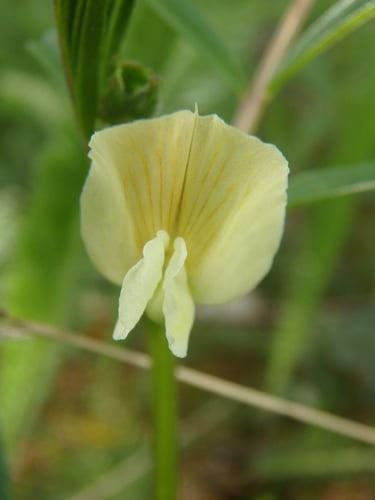
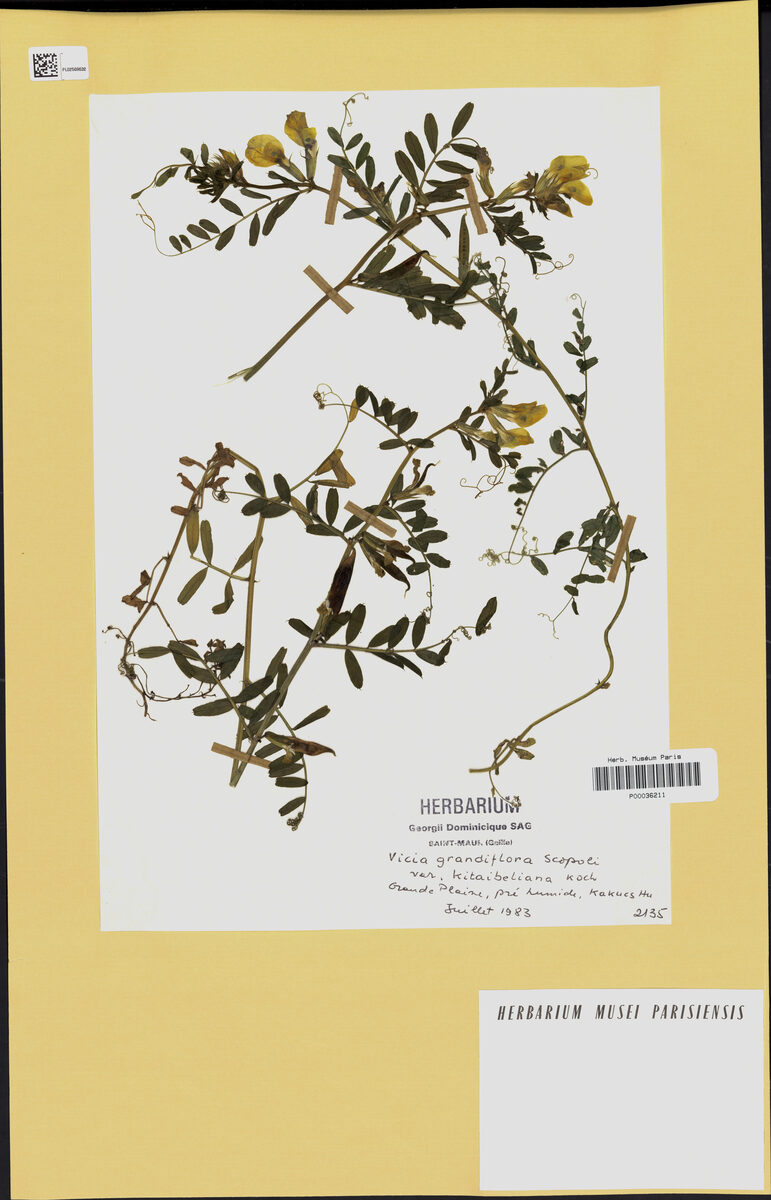
Glycyrrhiza aspera
Pall.
Wild liqorice
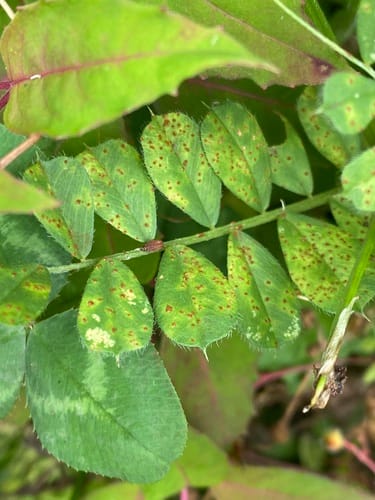
iNaturalist· cc-by-nc
(c) vladimir_epiktetov, some rights reserved (CC BY-NC), uploaded by vladimir_epiktetov
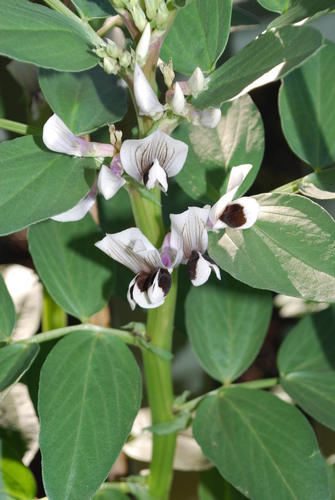
iNaturalist· cc-by-nc
(c) Sergey Lednev, some rights reserved (CC BY-NC), uploaded by Sergey Lednev
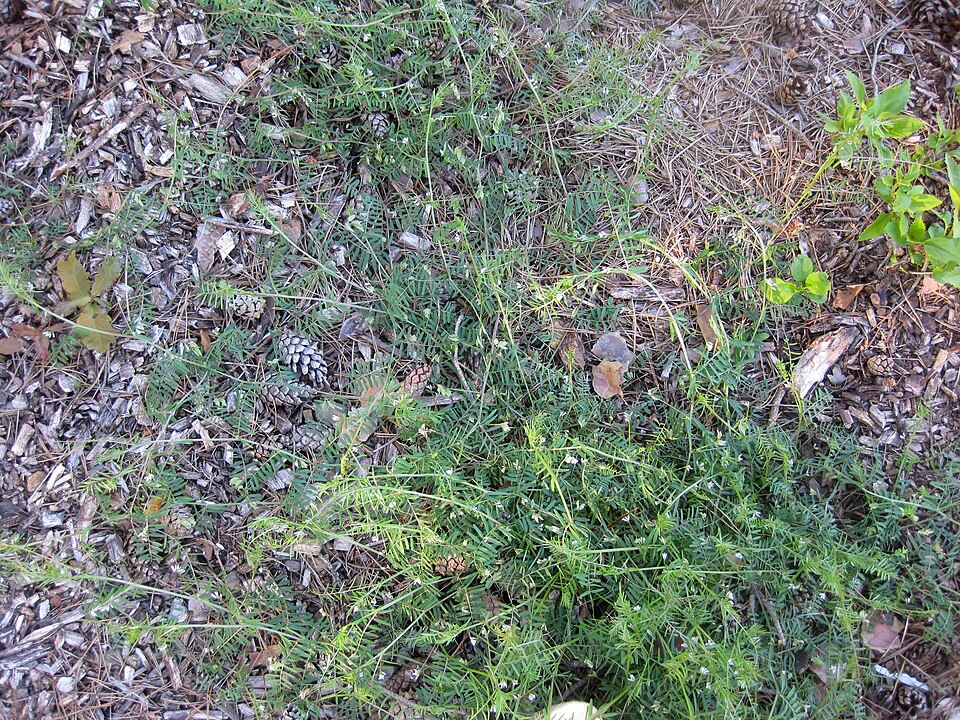
iNaturalist· cc-by-nc
(c) Киричок Елена Ивановна, some rights reserved (CC BY-NC)
Summary
Source: WikipediaGlycyrrhiza aspera, is a plant species in the pea family, Fabaceae, native to Asia and eastern Europe (Steppes in south-east Russia and Kazakhstan; farm sides and river banks in Gansu, Nei Mongol, Qinghai, Shaanxi and Xinjiang Provinces, China). It is used to make a tea.
Description
A herb. It keeps growing from year to year. It has narrow roots. It grows 10-30 cm tall. It is lightly hairy. The leaves are 3-10 cm long and have 7-9 leaflets.
Edible Uses
The leaves can be used to make a tea.
Medicinal Uses
None known.
Distribution
It is a temperate plant.
Where It Grows
Asia, Central Asia, China, Mongolia, Russia, Tajikistan,
Cultivation
We have very little information on this species and do not know if it will be hardy in Britain, though judging by its native range it could succeed outdoors in many parts of this country. The following notes are based on the general needs of the genus. Requires a deep well cultivated fertile moisture-retentive soil. Slightly alkaline conditions produce the best plants. Unless seed is required, the plant is usually prevented from flowering so that it puts more energy into producing good quality roots. A very deep-rooted plant, it can be difficult to eradicate once it is established. This species has a symbiotic relationship with certain soil bacteria, these bacteria form nodules on the roots and fix atmospheric nitrogen. Some of this nitrogen is utilized by the growing plant but some can also be used by other plants growing nearby.
Propagation
Pre-soak seed for 24 hours in warm water, then sow in spring or autumn in a greenhouse. Prick out seedlings into individual pots when large enough to handle and grow on through their first winter under glass. Plant out in late spring or early summer when in active growth. Plants are rather slow to grow from seed. Divide roots in spring or autumn, ensuring each division has at least one growth bud. Autumn divisions can be replanted immediately or stored in clamps until spring. Pot up smaller divisions and grow them on in a cold frame until established before planting out in spring or summer.
Other Uses
Nitrogen fixer. Dynamic accumulator.
Notes
There are 20 Glycyrrhiza species.
Synonyms
References (2)
- Hedrick, U.P., 1919, (Ed.), Sturtevant's edible plants of the world. p 331 (As Glycyrrhiza asperrima)
- Urgamal, M., Oyuntsetseg, B., Nyambayar, D. & Dulamsuren, Ch. 2014. Conspectus of the vascular plants of Mongolia. (Editors: Sanchir, Ch. & Jamsran, Ts.). Ulaanbaatar, Mongolia. “Admon“ Press. 334pp. (p. 121-143).