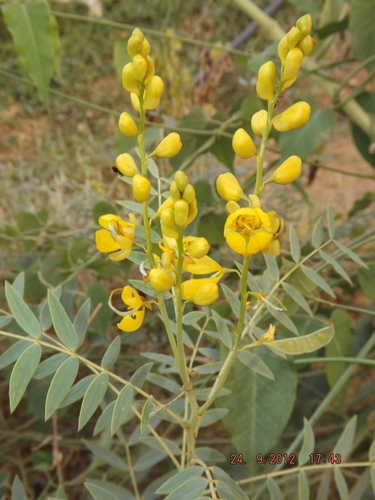
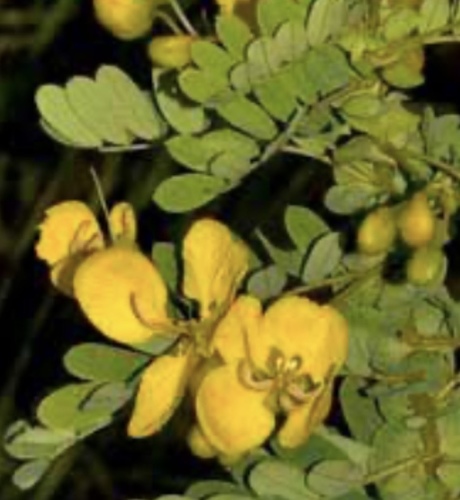
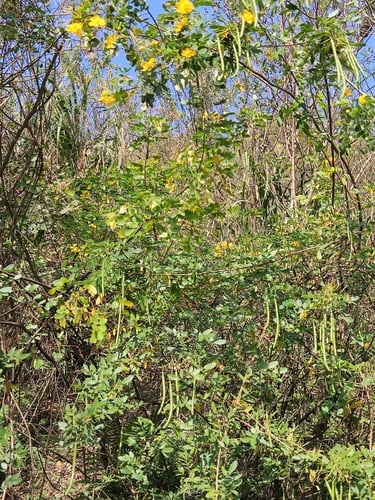
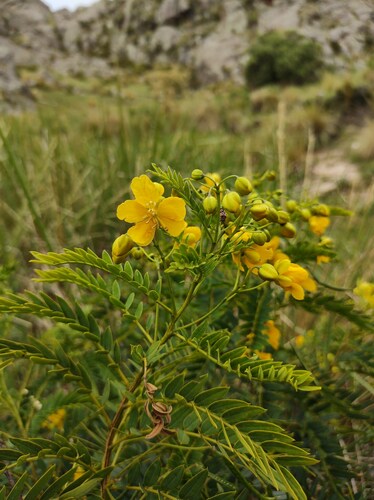
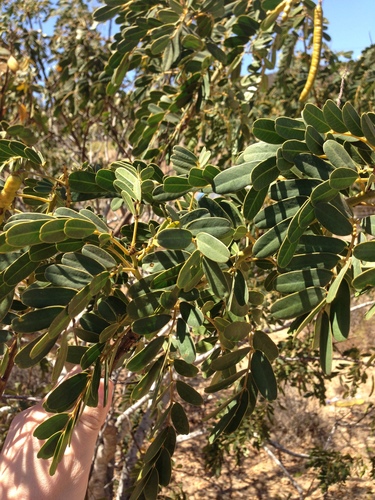
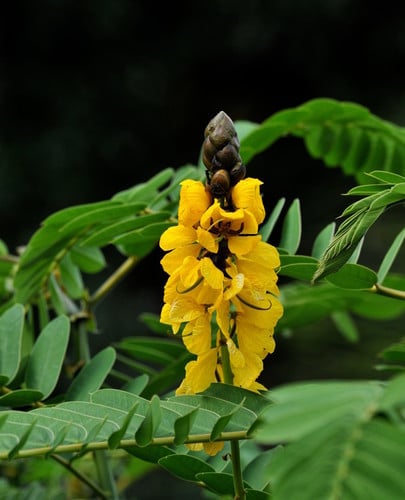
Glycine tabacina
(Labill.) Benth.
Vanilla glycine, Glycine Pea
iNaturalist· cc-by-nc
(c) robyn apps, some rights reserved (CC BY-NC)
iNaturalist· cc-by-nc
(c) robyn apps, some rights reserved (CC BY-NC)
iNaturalist· cc-by-nc
(c) robyn apps, some rights reserved (CC BY-NC)
Summary
Source: WikipediaGlycine tabacina, commonly known as variable glycine, is a scrambling plant in the bean family found in Australia. It grows in areas of high rainfall, ranging to semi-arid areas. The leaves are in threes, 7 cm long by 2 cm wide. Bluish to purple flowers form on racemes in the warmer months. The bean pod is up to 3 cm long. The habitat is among grasses, often in open country.
Description
A creeping herb which keeps growing from year to year. It can trail along the ground or be a climber. The stems are slender. The rootstock is woody. The leaves have 3 leaflets. The leaflets are 5 cm long by 0.7 cm wide. The end leaflet is the largest. The flowers are pea shaped. They are 0.7 cm across and blue or purple. They occur in groups on stalks 4-20 cm long in the axils of leaves. The fruit are pods 3 cm long by 0.4 cm wide. They are slightly hairy.
Edible Uses
The root can be eaten raw or cooked. It is starchy but very fibrous and has no particularly noticeable flavour, though it is said to have a liquorice-like quality and is chewed by Australian Aborigines.
Traditional Uses
The liquorice flavoured taproot is chewed.
This uses section is brief — help expand it
Medicinal Uses
None known.
Distribution
A tropical plant. It grows in heavy clays and deep sands. It can grow in arid places.
Where It Grows
Africa, Australia*, China, Fiji, Kenya, New Caledonia, Pacific, Taiwan, Tasmania, Tonga, Vanuatu,
Cultivation
Plants can be grown from seed or cuttings.
Propagation
Pre-soak seed for 12 hours in warm water, then sow in early spring in a greenhouse at 12–16°C; germination should occur within two weeks. Once large enough to handle, prick seedlings out into individual pots and plant out in late spring or early summer after the last expected frosts.
Other Uses
None known.
Notes
There are 10 Glycine species.
Synonyms
References (15)
- Anon., 2003, Native Plants for the Fitzroy basin. Society for Growing Australian Plants Inc. (Rockhampton Branch) p 57
- Cherikoff V. & Isaacs, J., The Bush Food Handbook. How to gather, grow, process and cook Australian Wild Foods. Ti Tree Press, Australia p 195
- Cribb, A.B. & J.W., 1976, Wild Food in Australia, Fontana. p 142
- Elliot, W.R., & Jones, D.L., 1992, Encyclopedia of Australian Plants suitable for cultivation. Vol 4. Lothian. p 371
- Facciola, S., 1998, Cornucopia 2: a Source Book of Edible Plants. Kampong Publications, p 105
Show all 15 references Hide references
- Fl. austral. 2:244. 1864
- Hibbert, M., 2002, The Aussie Plant Finder 2002, Florilegium. p 112
- Hunter, J. T. & Sheringham, P., 2006, Vegetation and Floristics of Melville Range Nature Reserve. A Report to the New South Wales Parks and Wildlife Service. p 174
- Hymowitz, T., 1979, Soybeans, in Simmonds N.W.,(ed), Crop Plant Evolution. Longmans. London. p 159
- Lazarides, M. & Hince, B., 1993, Handbook of Economic Plants of Australia, CSIRO. p 122
- Paczkowska, G . & Chapman, A.R., 2000, The Western Australian Flora. A Descriptive Calatogue. Western Australian Herbarium. p 432
- Royal Botanic Gardens, Kew (1999). Survey of Economic Plants for Arid and Semi-Arid Lands (SEPASAL) database. Published on the Internet; http://www.rbgkew.org.uk/ceb/sepasal/internet [Accessed 29th April 2011]
- World Checklist of Useful Plant Species 2020. Royal Botanic Gardens, Kew
- Yuncker, T.G., 1959, Plants of Tonga, Bernice P. Bishop Museum, Hawaii, Bulletin 220. p 145
- Yunupinu Banjgul, Laklak Yunupinu-Marika, et al. 1995, Rirratjinu Ethnobotany: Aboriginal Plant Use from Yirrkala, Arnhem Land, Australia. Northern Territory Botanical Bulletin No 21. Parks and Wildlife Commission of the Northern Territory. p 44.