Cymopterus fendleri
A.Gray
Fendler's springparsley
iNaturalist· cc-by-nc
(c) Walter Fertig, some rights reserved (CC BY-NC)
iNaturalist· cc-by-nc
(c) Jennifer Ackerfield, some rights reserved (CC BY-NC)
iNaturalist· cc-by-nc
(c) Andrey Zharkikh, some rights reserved (CC BY-NC)
Summary
Source: WikipediaHermaphroditic perennial, self-fertile and insect-pollinated. Grows in light sandy, medium loamy, or heavy clay soils with good drainage. Tolerates mildly acidic to basic pH. Adapts to semi-shade or full sun. Handles both dry and moist soils.
Description
Hermaphroditic perennial, self-fertile and insect-pollinated. Grows in light sandy, medium loamy, or heavy clay soils with good drainage. Tolerates mildly acidic to basic pH. Adapts to semi-shade or full sun. Handles both dry and moist soils.
Edible Uses
The leaves have a particularly strong and pleasant aroma and are used cooked as a flavouring in soups and stews. The root can be eaten raw or cooked and also contributes an aromatic flavour as a seasoning.
Traditional Uses
The leaves are sometimes used as a stuffing for mutton.
This uses section is brief — help expand it
Medicinal Uses
None known
Distribution
It is a temperate plant.
Where It Grows
North America, USA,
Cultivation
We have almost no information on the needs of this species and do not know if it is hardy in Britain. We suggest growing it in a sunny position in a well-drained light or medium soil.
Propagation
No specific information is available for this species, but sowing seed in a cold frame as soon as it is ripe is recommended where possible. Stored seed should be sown as early in the year as possible in a greenhouse. Seedlings should be pricked out into individual pots once large enough to handle and grown on under cover for at least their first winter, then planted into permanent positions in late spring or early summer after the last expected frosts. Division in spring or autumn may also be possible.
Other Uses
None known
Synonyms
References (3)
- Beckstrom-Sternberg, Stephen M., and James A. Duke. "The Foodplant Database." http://probe.nalusda.gov:8300/cgi-bin/browse/foodplantdb.(ACEDB version 4.0 - data version July 1994)
- Hedrick, U.P., 1919, (Ed.), Sturtevant's edible plants of the world. p 257
- Plants for a Future database, The Field, Penpol, Lostwithiel, Cornwall, PL22 0NG, UK. http://www.scs.leeds.ac.uk/pfaf/
More from Apiaceae
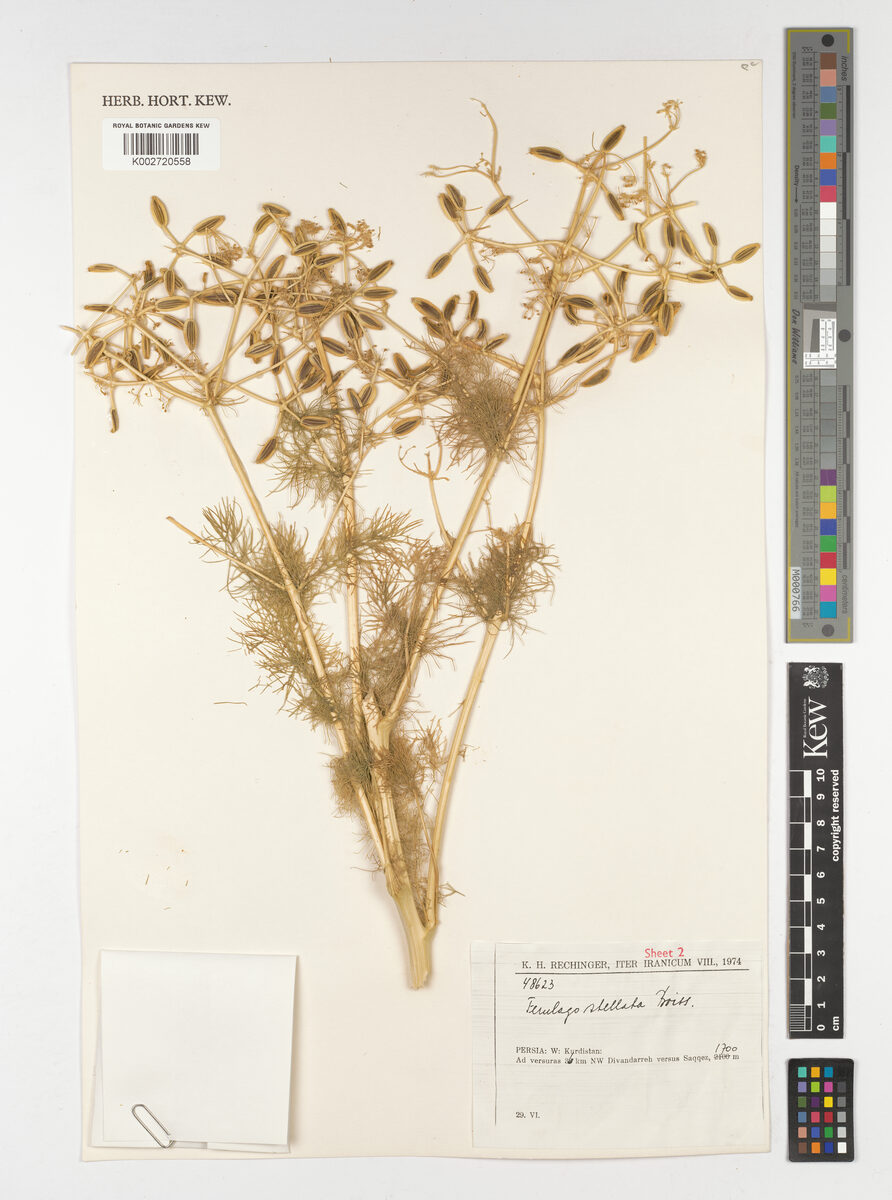
Ferulago stellata
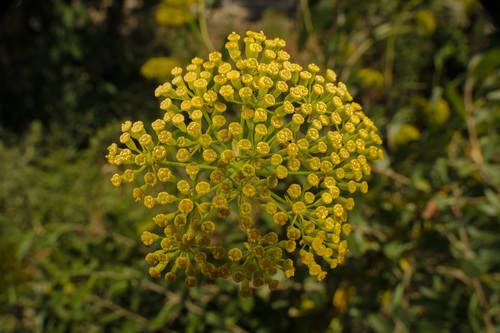
Foeniculum vulgare
Fennel, Common fennel
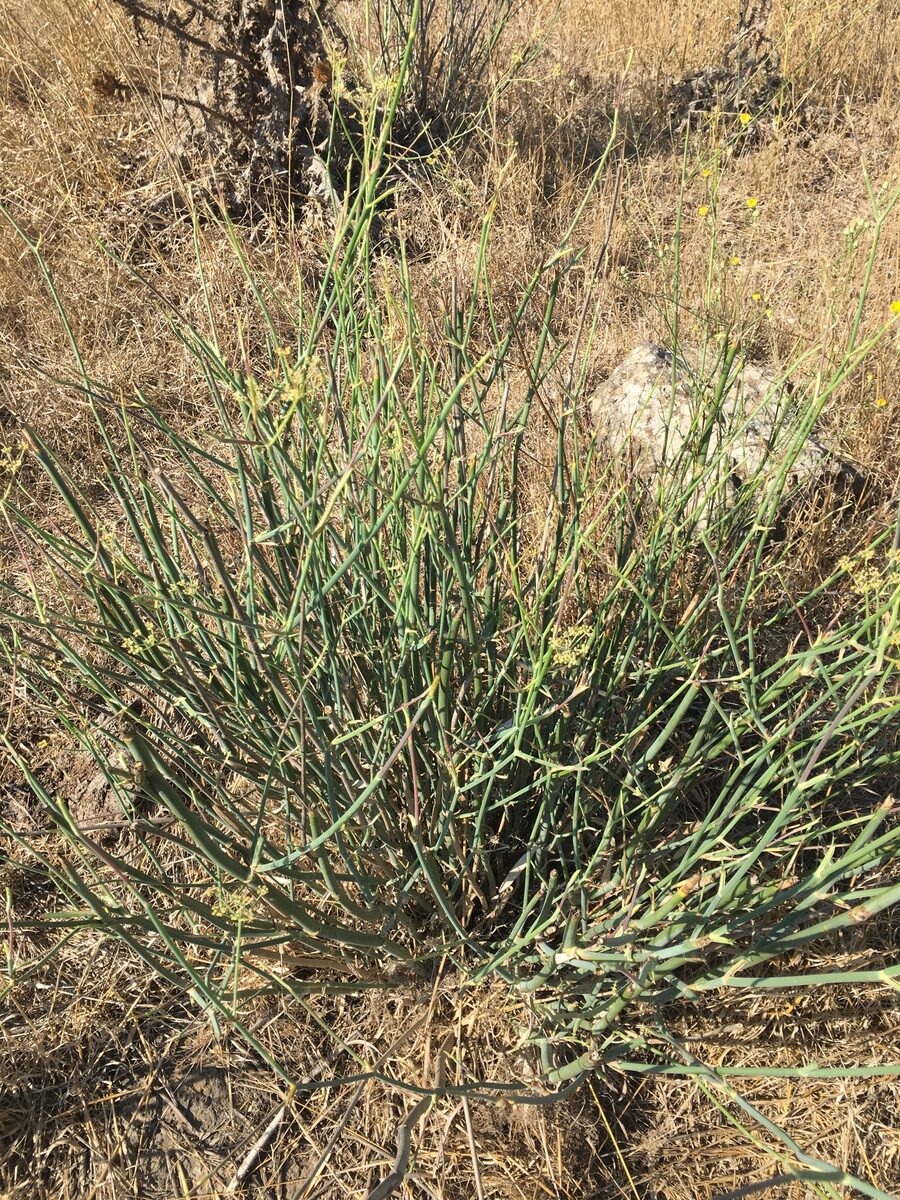
Foeniculum vulgare azoricum - (Mill.)Thell.
Florence Fennel
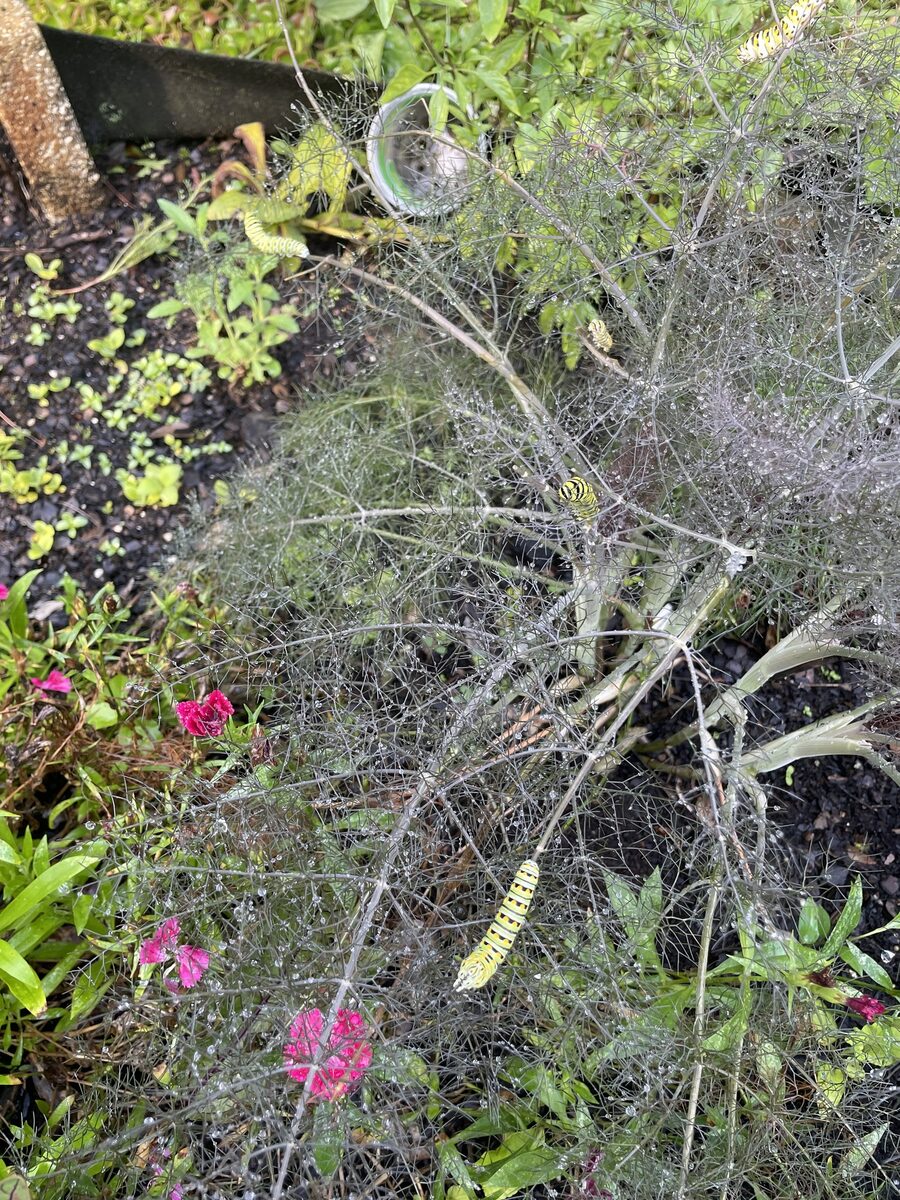
Foeniculum vulgare dulce - (Mill.)Batt.&Trab.
Sweet Fennel
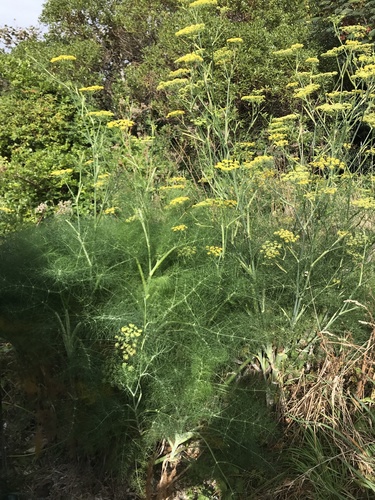
Foeniculum vulgare var. azoricum
Florence fennel, Fennochio, Finnochio
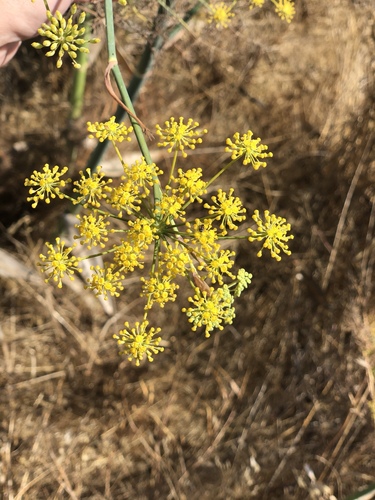
Foeniculum vulgare var. dulce
Sweet fennel, Finocchio