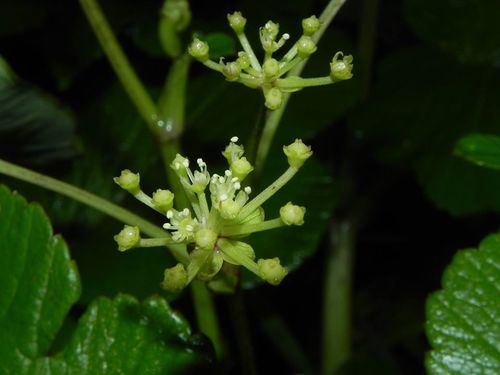
Cymopterus newberryi
(S. Watson) M. E. Jones
iNaturalist· cc-by-nc
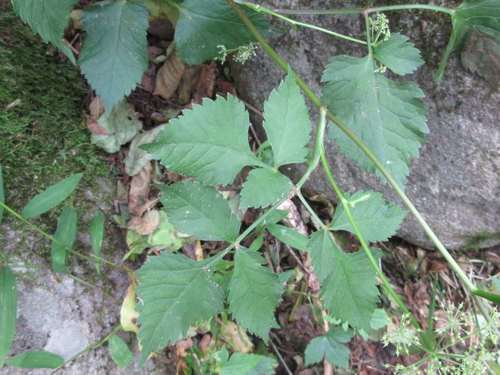
(c) Walter Fertig, some rights reserved (CC BY-NC), uploaded by Walter Fertig
iNaturalist· cc-by
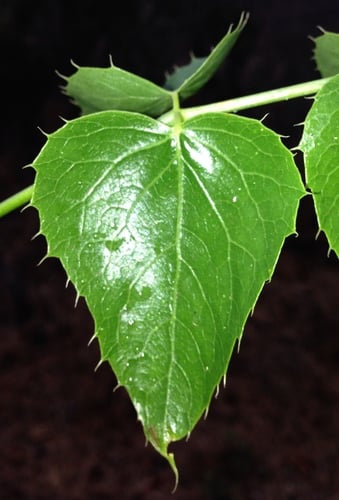
(c) Parker James Lloyd, some rights reserved (CC BY)
iNaturalist· cc-by-nc
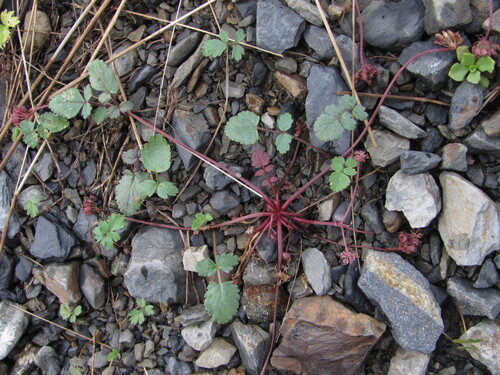
(c) Zach Coury, some rights reserved (CC BY-NC)
Summary
Perennial herb growing 0.3 m tall and wide at medium rate, hardy to UK zone 5. Hermaphrodite flowers pollinated by bees and insects, attracts wildlife. Tolerates light sandy and medium loamy soils with good drainage and poor nutrition. Grows in neutral to basic soils including very alkaline, in semi-shade or full sun, tolerates dry conditions and drought.
Description
A herb. It grows 25 cm tall. It keeps growing from year to year. The flowers are purple to white.
This description is brief — help expand it
Edible Uses
The roots have a sweet flavour and are eaten raw or cooked, including by children. The plant is also eaten as greens. Roots follow the genus pattern of a parsnip-like direction with occasional earthy or resinous accents; peeling and water-based cooking gives the cleanest result. Leaves range from acceptable raw in small amounts to better used as cooked greens, particularly when resinous notes are present — washing and blanching before adding to soups or stews is a sound approach. The plant emerges early in the season, often shortly after snowmelt or early spring rains, making it a practical early-season carbohydrate source. Genus-level furanocoumarin cautions apply; soaking, blanching, or boiling is the conservative preparation strategy.
Traditional Uses
The roots, young stems and leaves are eaten raw or cooked.
This uses section is brief — help expand it
Medicinal Uses
An infusion of the plant has been drunk and also applied as a lotion to treat wounds. This is the primary documented traditional medicinal use for this species.
Distribution
It is a temperate plant. It suits hardiness zone 7.
Where It Grows
North America, USA,
Propagation
Seed requires cold stratification; establishment is likely slow and dependent on adequate spring moisture.
Other Uses
Cultivation is rare and likely feasible only in specialty native plant or rock-garden settings. The plant provides early-season insect forage, with umbels commonly visited by small bees and flies, contributing to spring food webs in dry environments.
Synonyms
References (2)
- Jackes, D. A., Edible Forest Gardens
- Kermath, B. M., et al, 2014, Food Plants in the Americas: A survey of the domesticated, cultivated and wild plants used for Human food in North, Central and South America and the Caribbean. On line draft. p 290