Czernaevia laevigata var. laevigata
Turczaninow
Lie ye qin, Yuan bian zhong
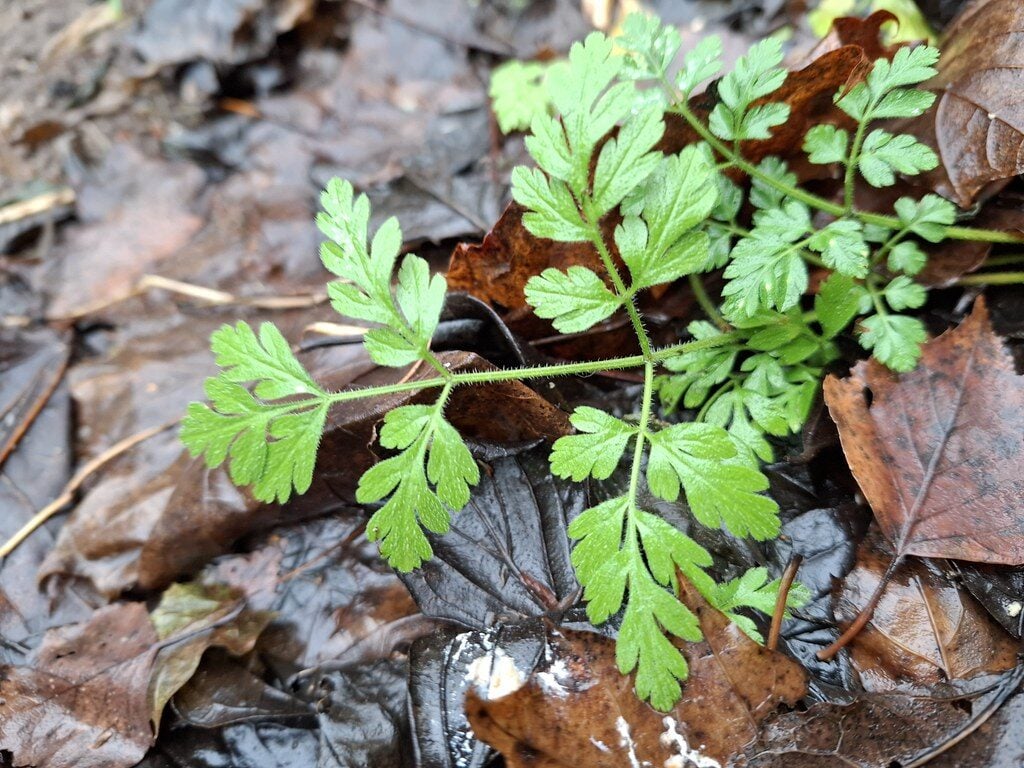
iNaturalist· cc-by-nc
(c) sergeyprokopenko, some rights reserved (CC BY-NC)
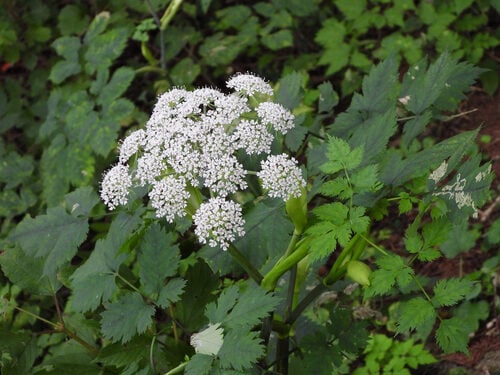
iNaturalist· cc-by-nc
(c) sergeyprokopenko, some rights reserved (CC BY-NC)
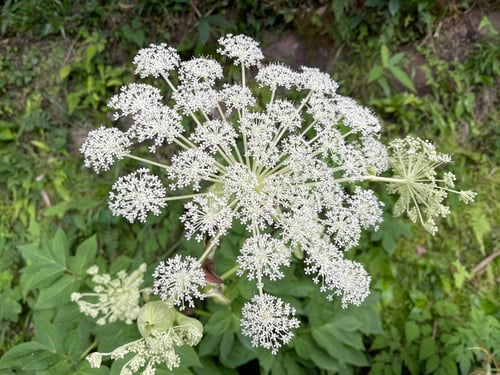
iNaturalist· cc-by-nc
(c) Svetlana Nesterova, some rights reserved (CC BY-NC)
Description
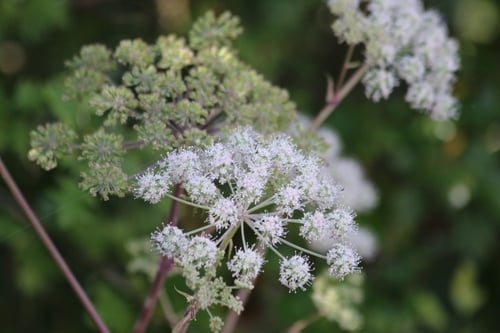
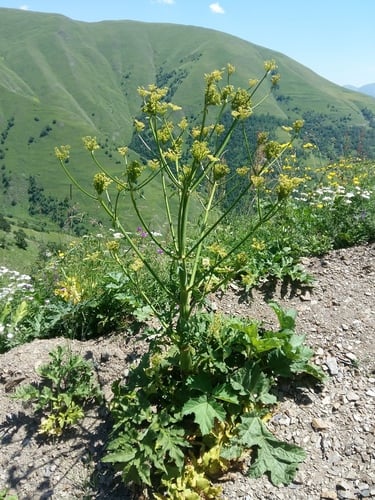
A herb. It takes 2 years to complete its life cycle. It grows 90-120 cm high. The stems are hollow and ribbed. They are branched. The leaves are on long leaf stalks. The leaf blade is oval or triangle shaped and 30-50 cm long by 25-40 cm wide. There are leaflets along the stalk. These are oval and 4-10 cm long by 1-4 cm wide. The flowers are white in groups at the top of the plant. The fruit are almost round. They have wings along the edges.
Edible Uses
Young plants are used as a potherb, with leaves and stems eaten as a vegetable.
Traditional Uses
The young plants are used as a potherb.
This uses section is brief — help expand it
Distribution
It is native to north eastern China. It grows in China in shrubby thickets and along river banks.
Where It Grows
Asia, China, Korea, Russia, Siberia,
Other Information
It is gathered in large amounts.
Notes
Probably now Angelica czernaevia.
Synonyms
References (2)
- Flora of China. www.eFloras.org (As Czernaevia laevigata)
- Hu, Shiu-ying, 2005, Food Plants of China. The Chinese University Press. p 595 (As Czernaevia laevigata)