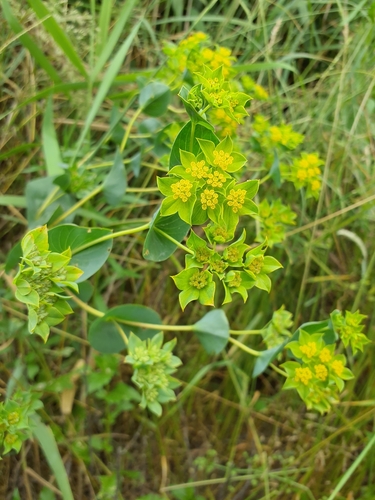
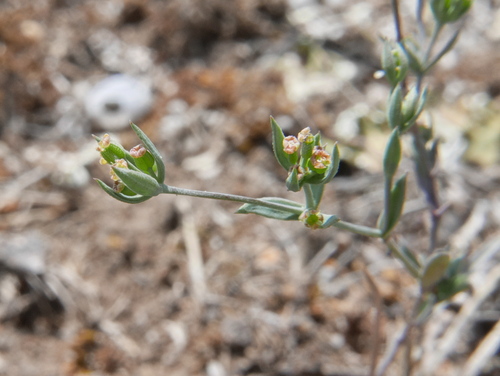
Cymopterus purpurascens
(Gray.) Jones
Widewing springparsley
gbif· cc-by-nc
University of Nevada, Reno (UNR) Herbarium (RENO-V)
gbif· cc-by-nc
Brigham Young University
gbif· cc-by-nc
Washington State University Marion Ownbey Herbarium (WS-)
Summary
Source: WikipediaPerennial herb growing 0.3 m tall and wide at medium rate, hardy to UK zone 7. Noted for attracting wildlife with hermaphrodite flowers. Tolerates light sandy, medium loamy, and heavy clay soils with good drainage and poor nutrition. Grows in neutral and very alkaline soils, cannot grow in shade, prefers dry soil and tolerates drought.
Description
Perennial herb growing 0.3 m tall and wide at medium rate, hardy to UK zone 7. Noted for attracting wildlife with hermaphrodite flowers. Tolerates light sandy, medium loamy, and heavy clay soils with good drainage and poor nutrition. Grows in neutral and very alkaline soils, cannot grow in shade, prefers dry soil and tolerates drought.
Edible Uses
Roots rated excellent; leaves rated unsuitable due to strong, unappealing, burning, oxalate-like effects. Peeled and boiled roots can be excellent with parsnip-potato-squash flavor and manageable resinous notes. Texture can be airy and slightly stringy with variable sweetness; boiling produces most consistent results. Early spring harvest tied to brief moisture window. Genus-level phototoxin caution applies; leaves unsuitable even after cooking, treat as roots-only. Dig shallowly, wash thoroughly, peel, slice and boil. Consider discarding first water if bitterness is strong. Select colonies with thicker, less stringy roots. Apiaceae caution; confirm by fruit wings. Root has excellent sweet, tender taste similar to parsnips.
Traditional Uses
The roots, young stems and leaves are eaten raw or cooked.
This uses section is brief — help expand it
Medicinal Uses
Historically used for backaches and stomach issues, particularly following vomiting, sometimes referred to as stomach medicine. Grows in Western US including Arizona, California, Utah, and Nevada, blooming March to May.
Distribution
It is a temperate plant. It grows in hardiness zone 6.
Where It Grows
North America, USA,
Propagation
Seed with cold stratification; slow, episodic recruitment common in the wild.
Other Uses
Early-season insect forage as stable spring flora component; roots important to some soil foragers. Umbels attract small bees and flies; typical Apiaceae generalists. Beneficial for insects and arthropods shelter.
References (3)
- Jackes, D. A., Edible Forest Gardens
- Kermath, B. M., et al, 2014, Food Plants in the Americas: A survey of the domesticated, cultivated and wild plants used for Human food in North, Central and South America and the Caribbean. On line draft. p 293
- Plants for a Future database, The Field, Penpol, Lostwithiel, Cornwall, PL22 0NG, UK. http://www.scs.leeds.ac.uk/pfaf/