Tetraena alba
(L.f.) Beier & Thulin
iNaturalist· cc-by-nc
(c) Platon Kleanthidis, some rights reserved (CC BY-NC)
iNaturalist· cc-by-nc
(c) arkim, some rights reserved (CC BY-NC)
iNaturalist· cc-by-nc
(c) arkim, some rights reserved (CC BY-NC)
Description
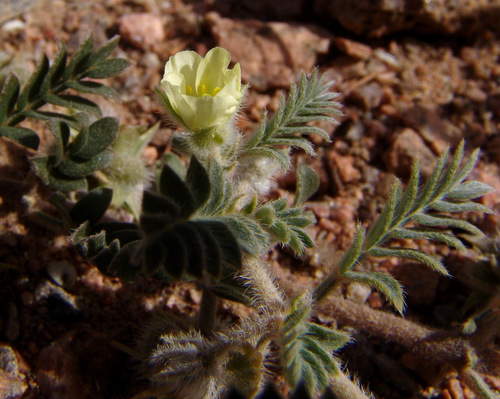
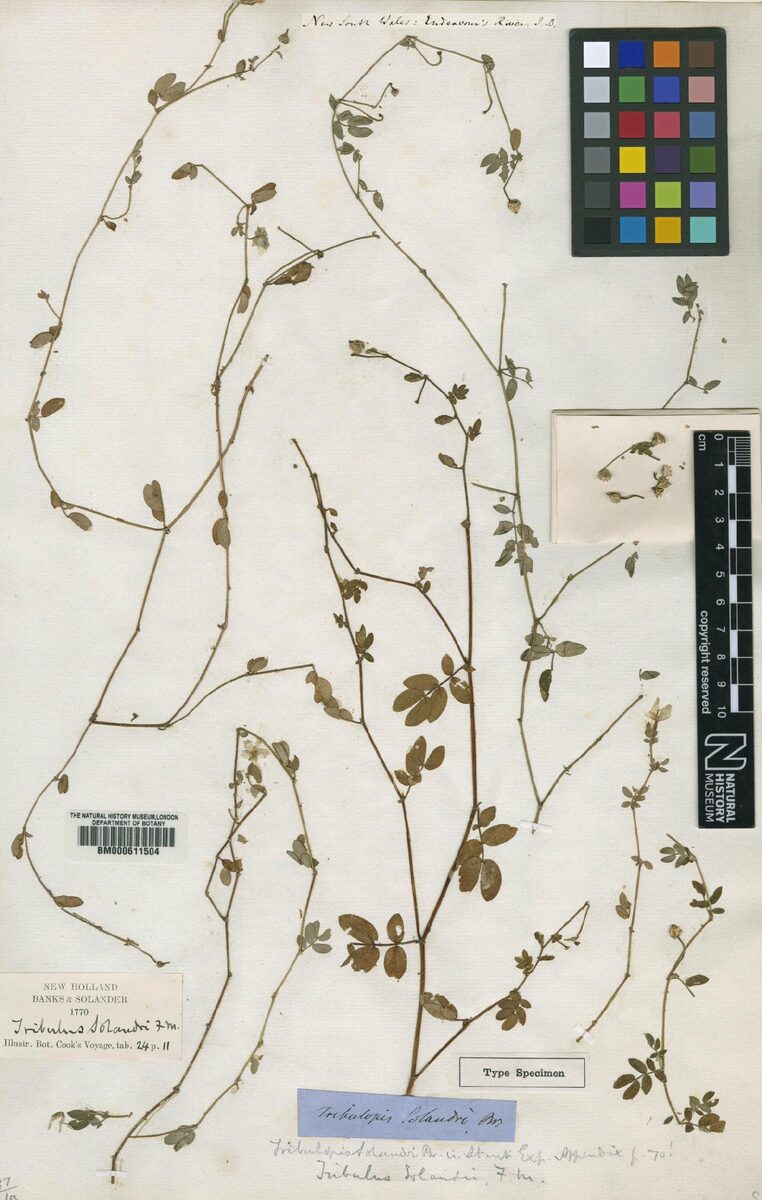
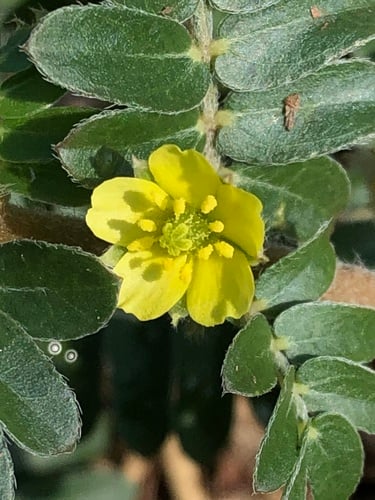
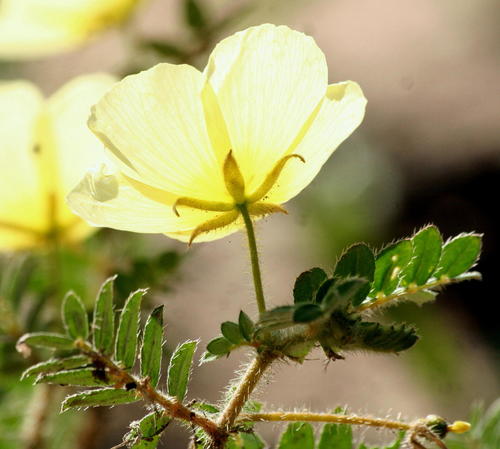
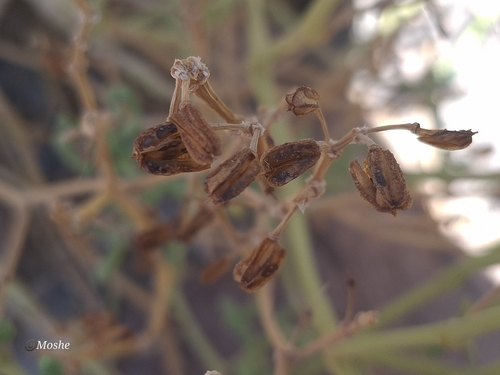
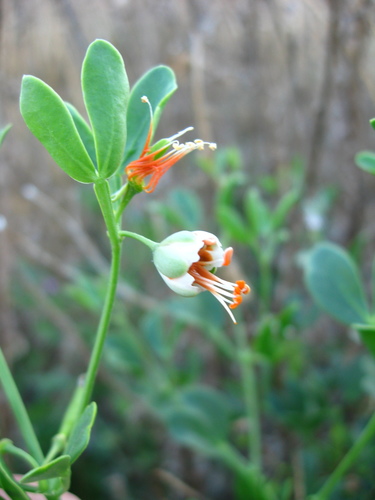
A low branched shrub. The leaves have leaflets in pairs. They are fleshy and broadly oval. The flowers are small and occur singly in the axils of leaves. The petals are white. The fruit is a five-lobed pear shaped capsule. The seeds are elliptical.
Edible Uses
The seeds are pressed for oil.
Medicinal Uses
The whole plant is used in the treatment of conditions including diabetes and dental caries and is applied externally to help wounds heal. An acetonic extract of the plant has been shown to confer a complete cell protection against the Herpes simplex-1 virus. The plant contains tannis, triterpene glycosides and flavonoid glycosides.
Distribution
It is a subtropical plant. It is salt tolerant.
Where It Grows
Africa, Cyprus, Mauritania, Mediterranean, Middle East, North Africa, Saudi Arabia, Sinai, Spain,
Cultivation
Mainly found in the warm temperate and subtropical zones, the plant enters the tropics at elevations up to 900 metres in the dry northeast of Africa. Requires a sunny position in a well-drained soil. Established plants are very drought resistant. Plants are tolerant of salty soils.
Other Uses
The tips of the flower clusters, when dried, have a pleasant scent of tea. An infusion is used as a toilet water. The plant is used to make a soap for the face and the body.
Synonyms
References (1)
- Centofanti, T. & Banuelos, G., 2019, Practical uses of Halophytic Plants as Sources of Food and Fodder. CAB International. p 334 (As Zygophyllum album)