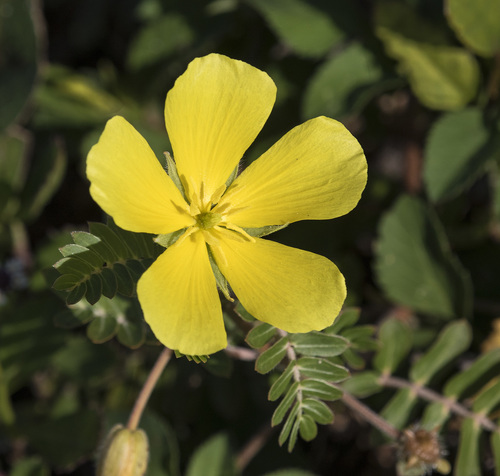
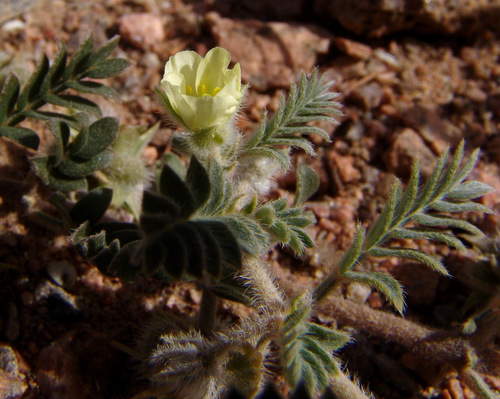
Balanites glabra
Mildbr. et Schlecht.
gbif· cc-by-sa
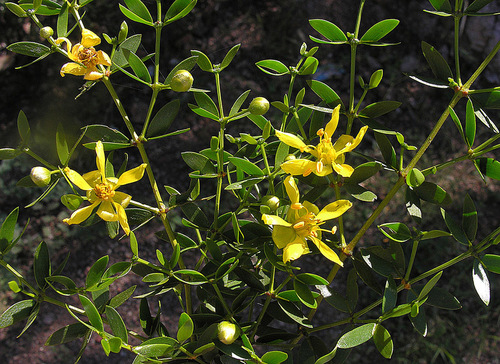
Susan Brown
gbif· cc-by-sa
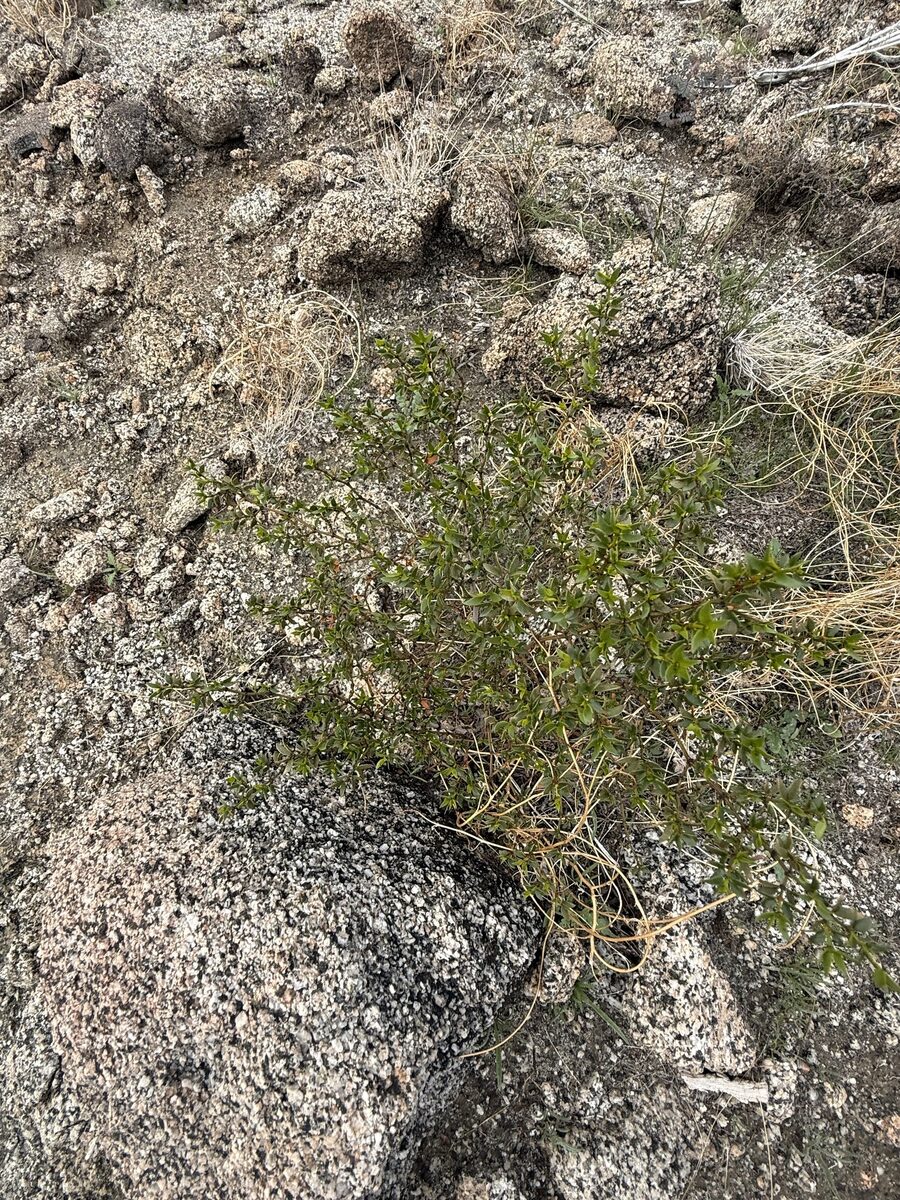
Susan Brown
gbif· cc-by-sa
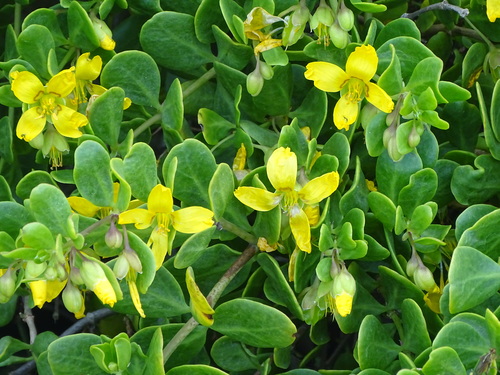
Susan Brown
Summary
Source: WikipediaBalanites glabra is a species of tree or shrub, classified either as a member of the Zygophyllaceae or the Balanitaceae. This tree is native to East Africa.
Description
A shrub or small tree. It has long spines. They are 15 cm long. The shrub grows 3-10 m high. It is sometimes drooping. The leaves have leaflets that are broadly rounded at the end. The fruit are oval and orange. They are 25-28 mm long by 12-18 mm wide. The fruit contains a hard seed.
Edible Uses
The wood of Balanites glabra is used for carvings. The leaves are used as fodder while the spiny branches make it suitable for use as fencing, either as a live or dead fence. Despite being mildly poisonous the fruits are eaten.
Traditional Uses
The ripe fruit are eaten.
This uses section is brief — help expand it
Distribution
A tropical plant. It can grow on dry soil. In East Africa it grows between 800-1,700 m altitude. It can grow in arid places.
Where It Grows
Africa, Angola, Central Africa, East Africa, Ethiopia, Kenya, Somalia, South Sudan, Tanzania,
Also Known As
Elamaich, Kidi, Kilului, Mbubua, Ol-ngaswa
References (9)
- Bircher, A. G. & Bircher, W. H., 2000, Encyclopedia of Fruit Trees and Edible Flowering Plants in Egypt and the Subtropics. AUC Press. p 52
- Dale, I. R. and Greenway, P. J., 1961, Kenya Trees and Shrubs. Nairobi. p 534
- Heywood, V.H., Brummitt, R.K., Culham, A., and Seberg, O. 2007, Flowering Plant Families of the World. Royal Botanical Gardens, Kew. p 338 (Genus)
- Jardin, C., 1970, List of Foods Used In Africa, FAO Nutrition Information Document Series No 2.p 122
- Maundu, P. et al, 1999, Traditional Food Plants of Kenya. National Museum of Kenya. p 70
Show all 9 references Hide references
- Mutie, F. G., 2020, Conservation of Wild Food Plants and Their Potential for Combatting Food Insecurity in Kenya as Exemplified by the Drylands of Kitui County. Plants 2020, 9, 1017
- Mutie, F. M., et al, 2023, Important Medicinal and Food Taxa (Orders and Families) in Kenya, Based on Three Quantitative Approaches. Plants 2023, 12, 1145
- Royal Botanic Gardens, Kew (1999). Survey of Economic Plants for Arid and Semi-Arid Lands (SEPASAL) database. Published on the Internet; http://www.rbgkew.org.uk/ceb/sepasal/internet [Accessed 4th April 2011]
- World Checklist of Useful Plant Species 2020. Royal Botanic Gardens, Kew