Protium macgregorii
(F. M. Bailey) Leenh.
gbif· cc0
President and Fellows of Harvard College
gbif· cc0
President and Fellows of Harvard College
gbif· cc0
President and Fellows of Harvard College
Description
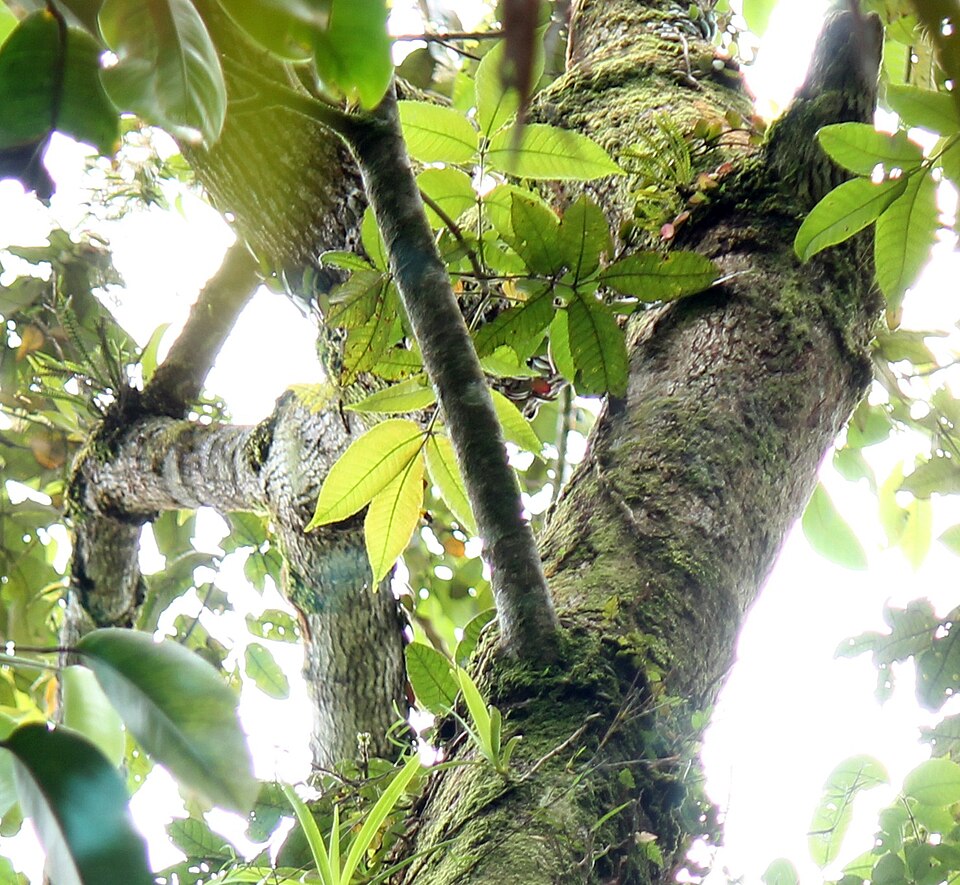
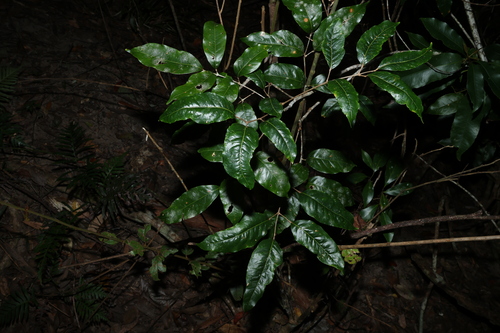
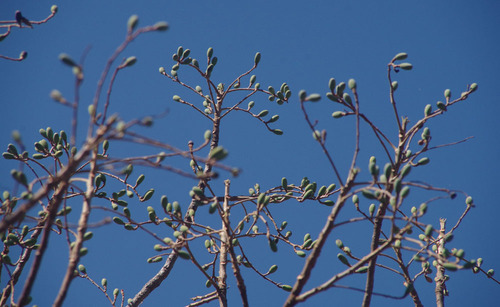
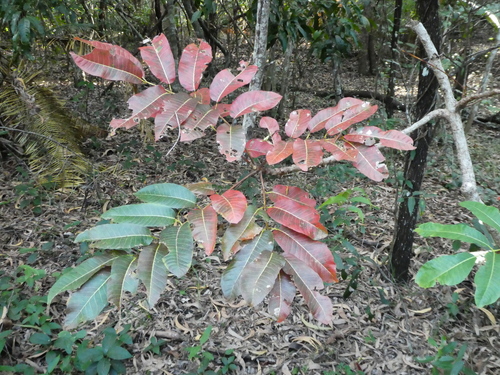
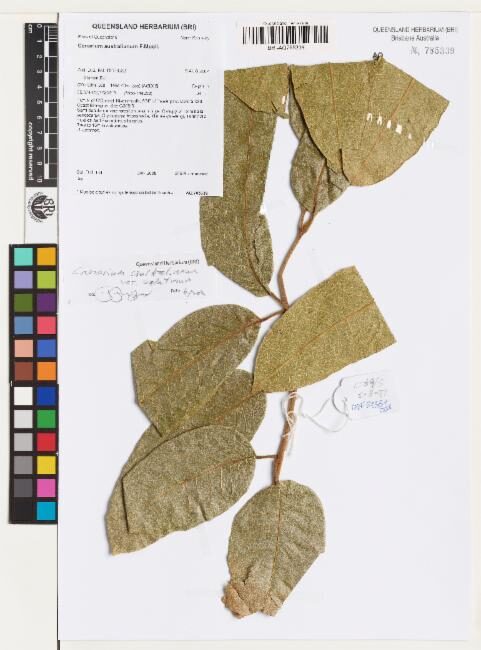
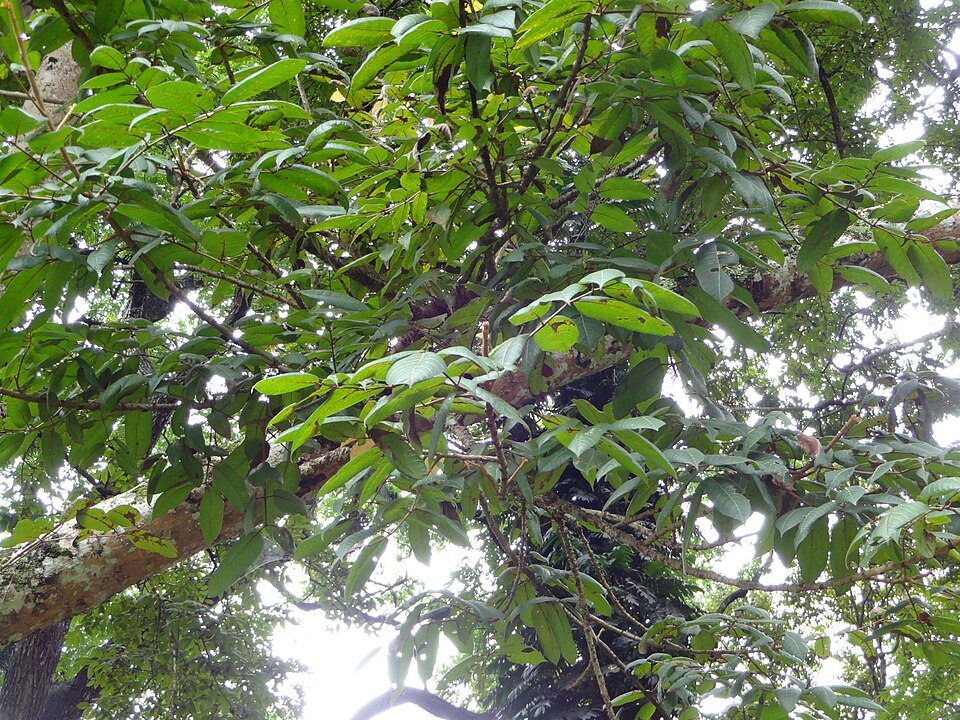
A tree. It grows 30 m tall. The trunk is fluted and 45 cm across. It is crooked and has buttresses. It can have aerial roots. The leaves are spaced along the branches and in spirals. The leaves are compound with 3 or more leaflets It has a leaflet at the end. The leaves are 3-11 cm long by 1.5-6 cm wide. The flowers are in groups in the axils of the leaves. The fruit are 7-8 mm long and on a branched axis. It is reddish brown. There are 2-3 seeds about 5 mm long.
Edible Uses
The fruit is eaten.
Distribution
It is a tropical plant. It grows up to 800 m above sea level.
Where It Grows
Papua New Guinea, PNG,
Cultivation
Most, if not all, species in this genus are dioecious, both male and female forms need to be grown if fruit and seed are required.
Other Uses
We have no specific information for this species, but many members of this genus are valued for the whitish and fragrant resin (suggesting incense) that exudes freely from the bark, and which hardens upon exposure to the air. The wood is hard. It is used in house construction.
Synonyms
References (2)
- Ferns, K. Useful Tropical Plants
- World Checklist of Useful Plant Species 2020. Royal Botanic Gardens, Kew