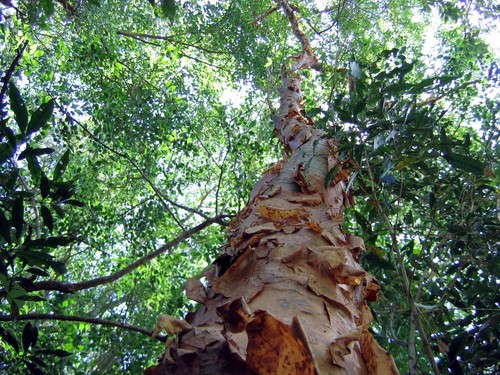
Canarium australianum var. glabrum
F.Muell., Leenh.
Melville Island White Beech
iNaturalist· cc-by-sa
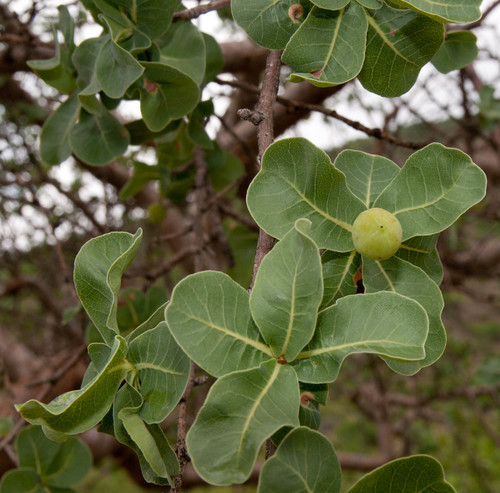
(c) Steve Fitzgerald, some rights reserved (CC BY-SA), uploaded by Steve Fitzgerald
iNaturalist· cc-by-nc
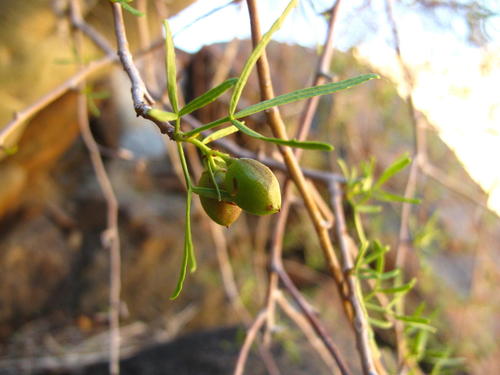
(c) kerrycoleman, some rights reserved (CC BY-NC), uploaded by kerrycoleman
iNaturalist· cc-by-nc
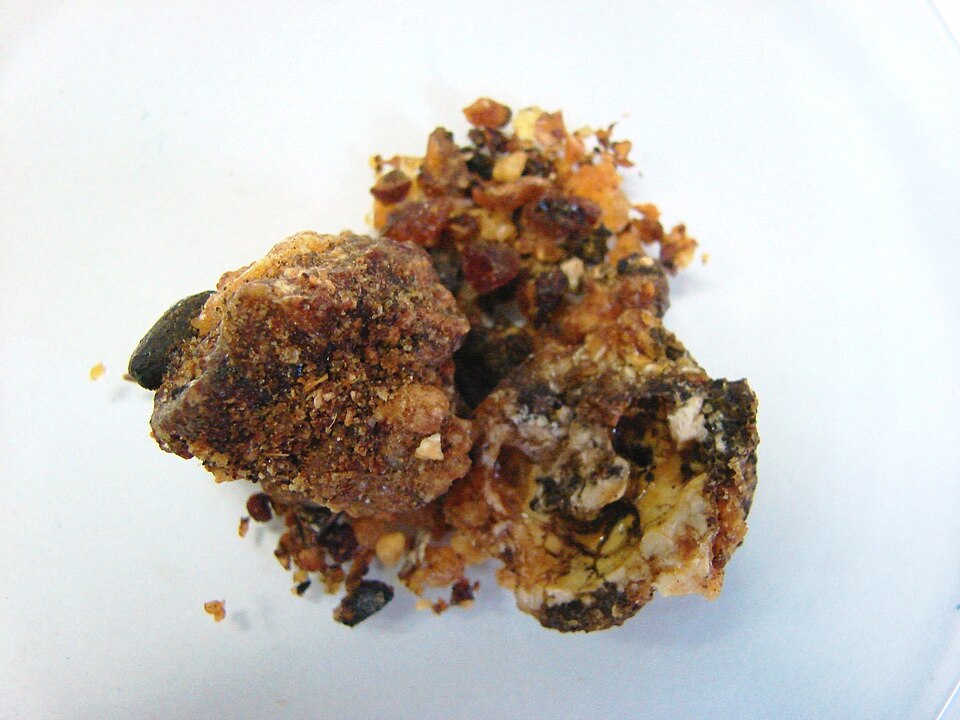
(c) kerrycoleman, some rights reserved (CC BY-NC), uploaded by kerrycoleman
Summary
Source: WikipediaCanarium australianum, commonly known as scrub turpentine, is a species of tree in the family Burseraceae native to Australia and Papua New Guinea. Other common names include mango bark, carrot wood, parsnip wood, Melville Island white beech and brown cudgerie.
Description
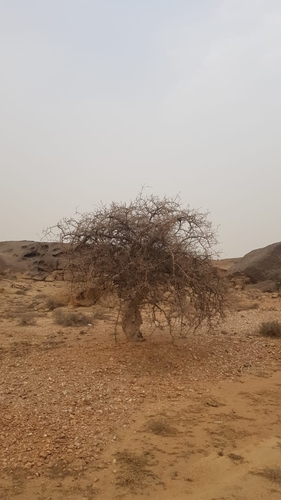
A deciduous tree. It loses its leaves in the dry season. It grows to 12-25 m high and spreads to 3 m wide. The stems are erect and branching. They branches have leaf scars on them. The bark is smooth and slightly scaly. It is cream-grey. The leaves are compound and alternate. The whole leaf is 30 cm long. There are 4-7 pairs of oval leaflets and a leaflet at the end. These are 7-16 cm long by 4-7 cm wide. Leaves are dark green and smooth on top and paler and sometimes slightly hairy underneath. The veins are distinct. The edges of the leaves are finely toothed on younger leaves. The leaf stalk is 5-15 cm long. Trees are separately male and female. The flowers are like tubes and occur in clusters in the axils of leaves near the ends of branches. The flowers are small and creamy white and 0.3-0.7 cm long. The flower cluster may be 25 cm long. Male clusters are larger and more open than female clusters. The fruit are oval fleshy fruit with a hard stone inside. They are 2.5 cm long by 1.5 cm wide. They are blue-black when ripe. Inside there is a hard brown one seeded nut. The seed is 1.5 cm long.
Edible Uses
The seeds and nuts are eaten, particularly by children. The ripe fruit is eaten after roasting.
Traditional Uses
The seeds are eaten. The ripe fruit is eaten after cooking (roasting). The seeds are eaten especially by children.
This uses section is brief — help expand it
Distribution
A tropical plant. It grows on light to medium, well drained soils. It prefers an open sunny position. It is drought and frost tender. It is most common in open forest and near the sea on sand dunes.
Where It Grows
Australia*, Pacific, Papua New Guinea, PNG,
Cultivation
Plants are grown from seed. Seeds do not all germinate at the same time. This can be improved by filing to break the hard seed coat. Trees can be propagated by aerial layering. Grafting may also be possible.
Production
Young trees grow rapidly. In Australia trees flower September to December and fruit April to October. Flowering and fruiting time varies with location.
Other Information
The seeds are eaten especially by children.
Notes
There are 80-95 Canarium species.
Also Known As
Marirrma, Styptic Tree
References (18)
- Barwick, M., 2004, Tropical and Subtropical Trees. A Worldwide Encyclopedic Guide. Thames and Hudson p 89
- Bodkin, F., 1991, Encyclopedia Botanica. Cornstalk publishing, p 210
- Brock, J., 1993, Native Plants of Northern Australia, Reed. p 112
- Cherikoff V. & Isaacs, J., The Bush Food Handbook. How to gather, grow, process and cook Australian Wild Foods. Ti Tree Press, Australia p 198
- Elliot, W.R., & Jones, D.L., 1982, Encyclopedia of Australian Plants suitable for cultivation. Vol 2. Lothian. p 456
Show all 18 references Hide references
- Hearne, D.A., & Rance, S.J., 1975, Trees for Darwin and Northern Australia. AGPS, Canberra p 37
- Jackes, B.R., 2001, Plants of the Tropics. Rainforest to Heath. An Identification Guide. James Cook University. p 45
- Jones D, L, 1986, Ornamental Rainforest Plants in Australia, Reed Books, p 203
- Kenneally, K.E., Edinger, D. C., and Willing T., 1996, Broome and Beyond, Plants and People of the Dampier Peninsula, Kimberley, Western Australia. Department of Conservation and Land Management. p 74
- Lazarides, M. & Hince, B., 1993, Handbook of Economic Plants of Australia, CSIRO. p 46
- Levitt, D., 1981, Plants and people. Aboriginal uses of plants on Groote Eylandt, Australian Institute of Aboriginal Studies, Canberra. p 85
- Paczkowska, G. & Chapman, A.R., 2000, The Western Australian Flora. A Descriptive Catalogue. Western Australian Herbarium. p 189
- Smith, N and Wightman, G.M., 1990, Ethnobotanical Notes from Belyuen Northern Territory Australia. Northern Territory Botanical Bulletin No 10. Parks and Wildlife Commission of the Northern Territory. p 7, 8
- Townsend, K., 1999, Field Guide to Plants of the Dry Tropics. Society for Growing Australian Plants, Townsville Branch Inc. p 28
- Vigilante, T., et al, 2013, Island country: Aboriginal connections, values and knowledge of the Western Kimberley islands in the context of an island biological survey. Records of the Western Australian Museum Supplement 81: 145-182
- Wheeler, J.R.(ed.), 1992, Flora of the Kimberley Region. CALM, Western Australian Herbarium, p 655
- Wightman, G. & Brown, J., 1994, Jawoyn Plant Identikit, Common Useful Plants in the Katherine Area of Northern Australia. Concervation Commission Northern Territory. p 18
- Wightman, G. M. & Andrews, M.R., 1989, Plants of Northern Territory Monsoon Vine Forests (Vol 1). Conservation Commission of Northern Territory. p 28