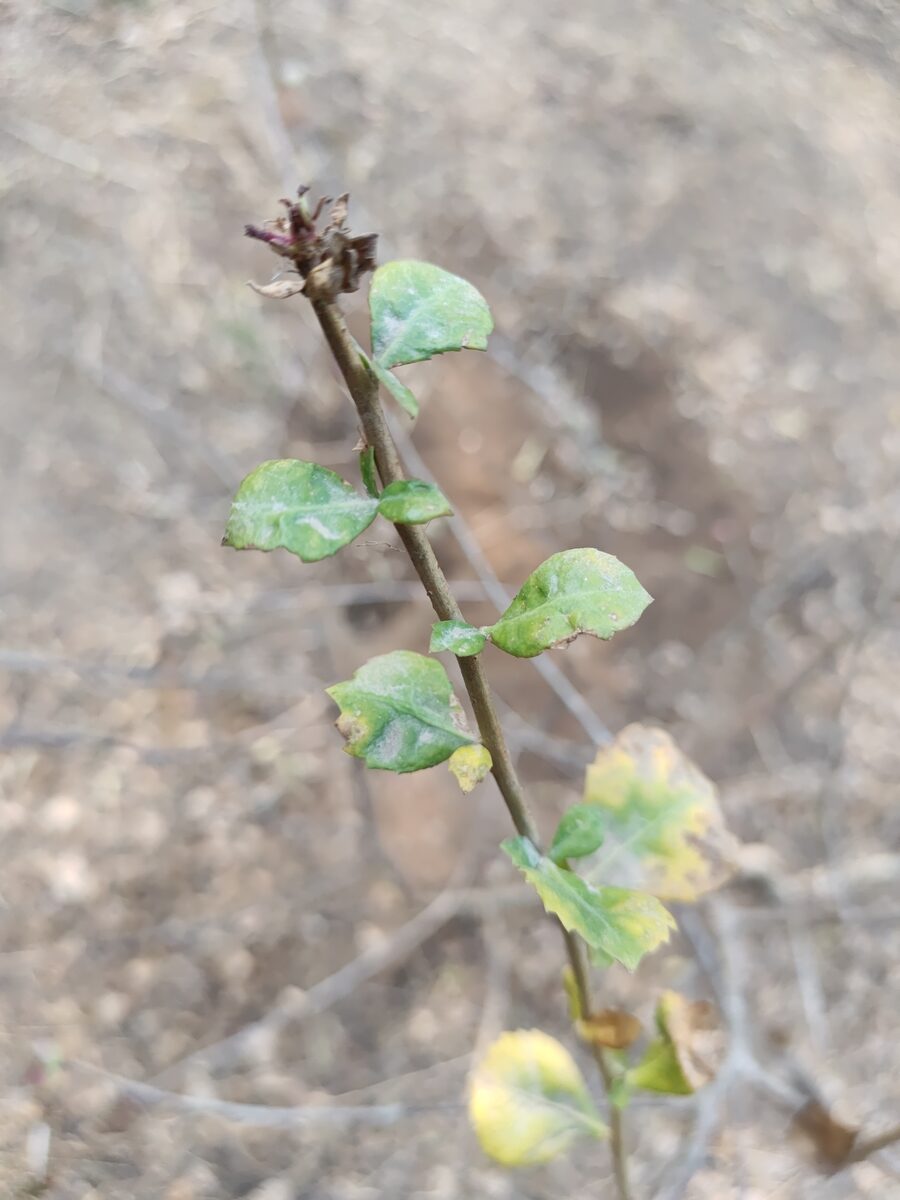
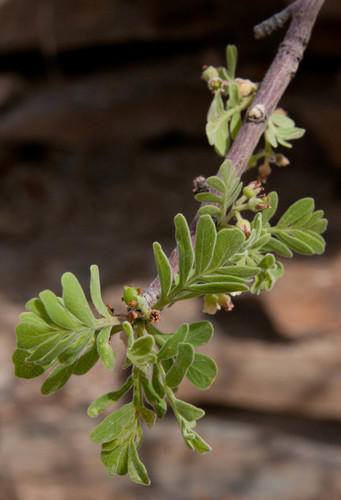
Canarium australianum
F. Muell.
Island white beech
iNaturalist· cc-by-nc
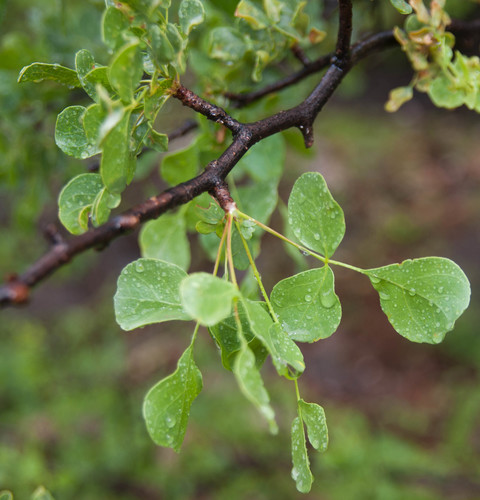
(c) Russell Cumming, some rights reserved (CC BY-NC)
iNaturalist· cc-by-nc
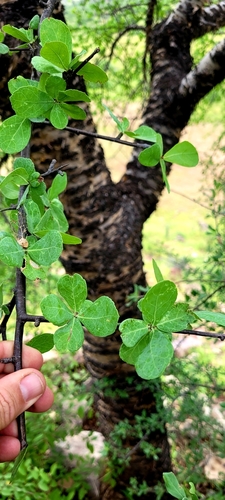
(c) kerrycoleman, some rights reserved (CC BY-NC), uploaded by kerrycoleman
iNaturalist· cc-by-nc
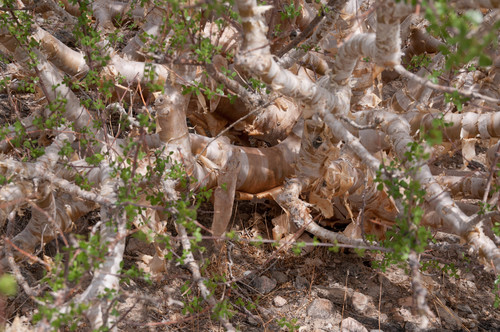
(c) Russell Cumming, some rights reserved (CC BY-NC)
Summary
Source: WikipediaCanarium australianum, commonly known as scrub turpentine, is a species of tree in the family Burseraceae native to Australia and Papua New Guinea. Other common names include mango bark, carrot wood, parsnip wood, Melville Island white beech and brown cudgerie.
Description
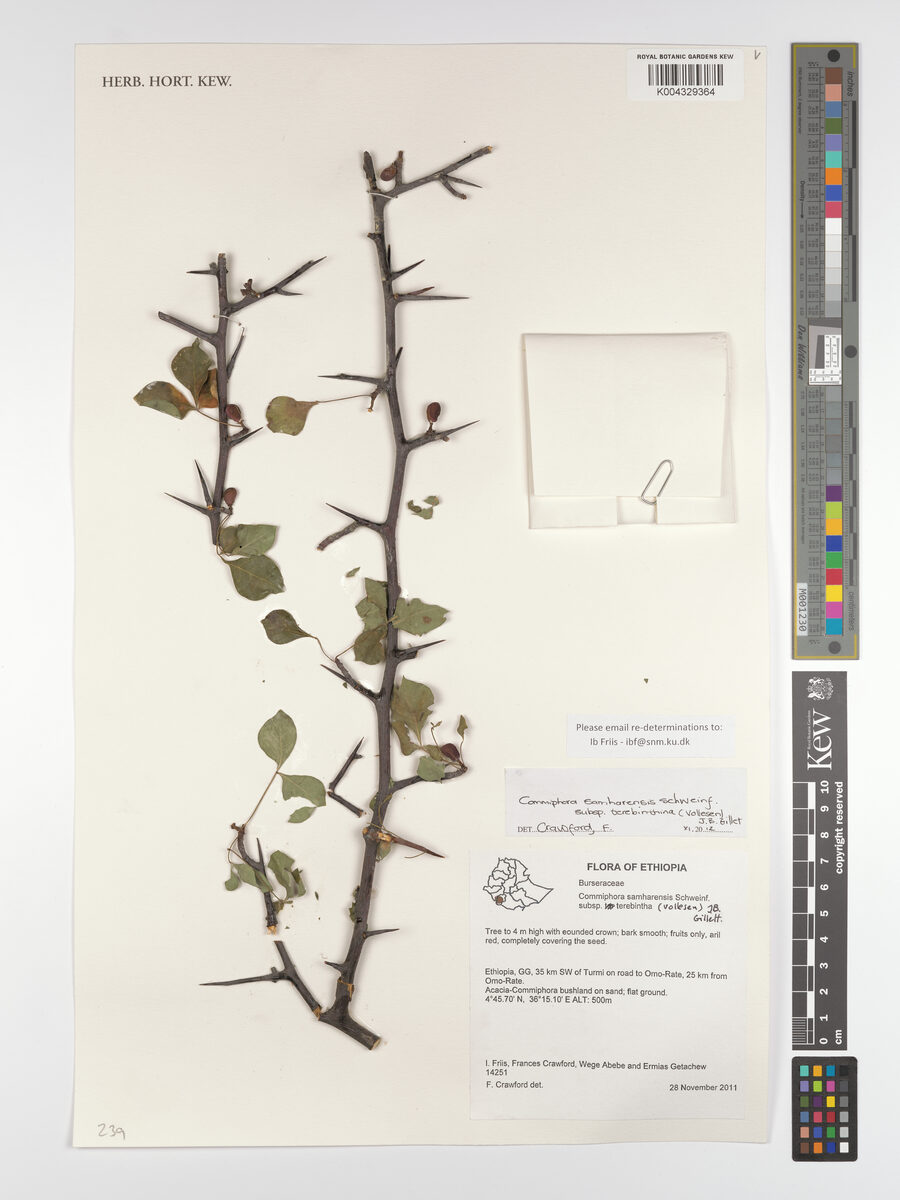
A shrub or small tree. It grows 1-6 m tall. The leaves are compound with leaflets. The leaflets are 6-19 cm long by 3-8 cm wide. The leaflet stalks have a milky sap. The flowering shoots are 8-30 cm long. The flower petals are 5-6 mm long. The fruit are 2-3 cm long.
Edible Uses
Seeds. Mainly eaten by children. The seed is about 15mm long. Ripe fruit - roasted. The blue-black, oval, fleshy fruits are about 25mm long and 15mm wide, containing a single hard coated seed.
Distribution
It is a tropical plant. It grows from sea level to 500 m above sea level. It grows in open forest and monsoon forest.
Where It Grows
Australia*, Papua New Guinea, PNG,
Cultivation
A plant of low elevations in the moist tropics, growing in areas with all year rainfall or with a short dry season. It does not tolerate frost. Grows best in an open, sunny position. Prefers a light to medium, well-drained soil. Plants are not very tolerant of drought. Young trees grow quite quickly. A dioecious species, both male and female forms need to be grown if fruit and seed are required.
Propagation
Seed - it has a hard seed coat and germinates erratically. Filing away some of the seed coat to allow moisture to enter more readily, without damaging the seed, will encourage a faster and more even germination. Aerial layering.
Other Uses
The resin is used by aborigines in attaching spear heads. The wood is highly regarded for use as pick and axe handles, it s also used for making furniture and in joinery. The boles are used to make dugout canoes.
Synonyms
Also Known As
Bine, Brown cudgerie, Deti, Djalgay, Kunarra, Wander
References (5)
- Crawford, I. M., 1982, Traditional Aboriginal Plant Resources in the Kalumburu Area: Aspects in Ethno-economics. Records of the Western Australian Museum Supplement No. 15
- Smith, M & Kalotas, A. C., 1985, Bardi Plants: An Annotated List of Plants and Their Use by the Bardi Aborigines of Dampierland, in North-western Australia. Rec. West Aust. Mus. 1985, 12(3): 317-359
- Smith, N. M., 1991, Ethnobotanical Field Notes from the Northern Territory, Australia, J. Adelaide Bot. Gard. 14(1): 1-65
- Vigilante, T., et al, 2013, Island country: Aboriginal connections, values and knowledge of the Western Kimberley islands in the context of an island biological survey. Records of the Western Australian Museum Supplement 81: 145-182
- World Checklist of Useful Plant Species 2020. Royal Botanic Gardens, Kew