Toxicodendron vernicifluum
(Stokes) F. A. Barkley
Lacquer tree
iNaturalist· cc-by-sa
(c) harum.koh, some rights reserved (CC BY-SA), uploaded by harum.koh
gbif· cc-by-nc
Rob Macfie
iNaturalist· cc-by-nc
(c) onidiras-iNaturalist, some rights reserved (CC BY-NC), uploaded by onidiras-iNaturalist
iNaturalist· cc-by-nc
(c) Yao Li, some rights reserved (CC BY-NC)
iNaturalist· cc-by-nc
(c) Yao Li, some rights reserved (CC BY-NC)
iNaturalist· cc-by-nc
(c) Yao Li, some rights reserved (CC BY-NC)
Summary
Source: WikipediaToxicodendron vernicifluum (formerly Rhus verniciflua), also known by the common name Chinese lacquer tree, is an Asian tree species of genus Toxicodendron native to China and the Indian subcontinent, and cultivated in regions of China, Japan and Korea. Other common names include poison sumac, Japanese lacquer tree, Japanese sumac, and varnish tree. The trees are cultivated and tapped for their toxic sap, which is used as a highly durable lacquer to make Chinese, Japanese, and Korean lacquerware. The trees grow up to 20 metres tall with large leaves, each containing from 7 to 19 leaflets (most often 11–13). The sap contains the allergenic compound urushiol, which gets its name from this species' Japanese name urushi (urushi (漆)); "urushi" is also used in English as a collective term for all kinds of Asian lacquerware made from the sap of this and related Asian tree species, as opposed to European "lacquer" or Japanning made from other materials. Urushiol is also the oil found in poison ivy and poison oak, to which the tree is related, that causes a rash.
Description
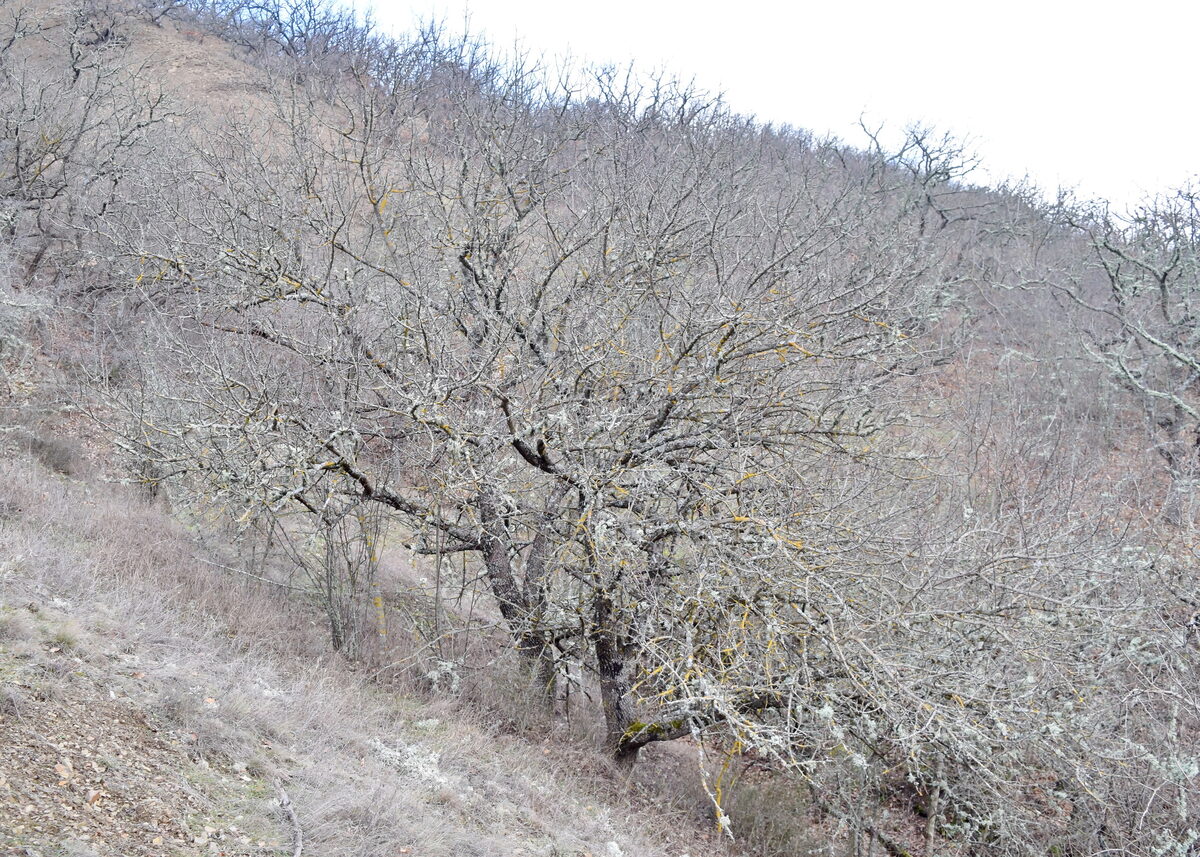
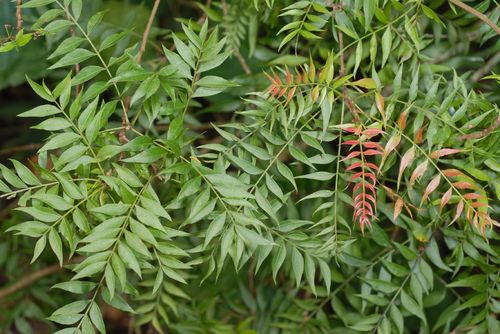
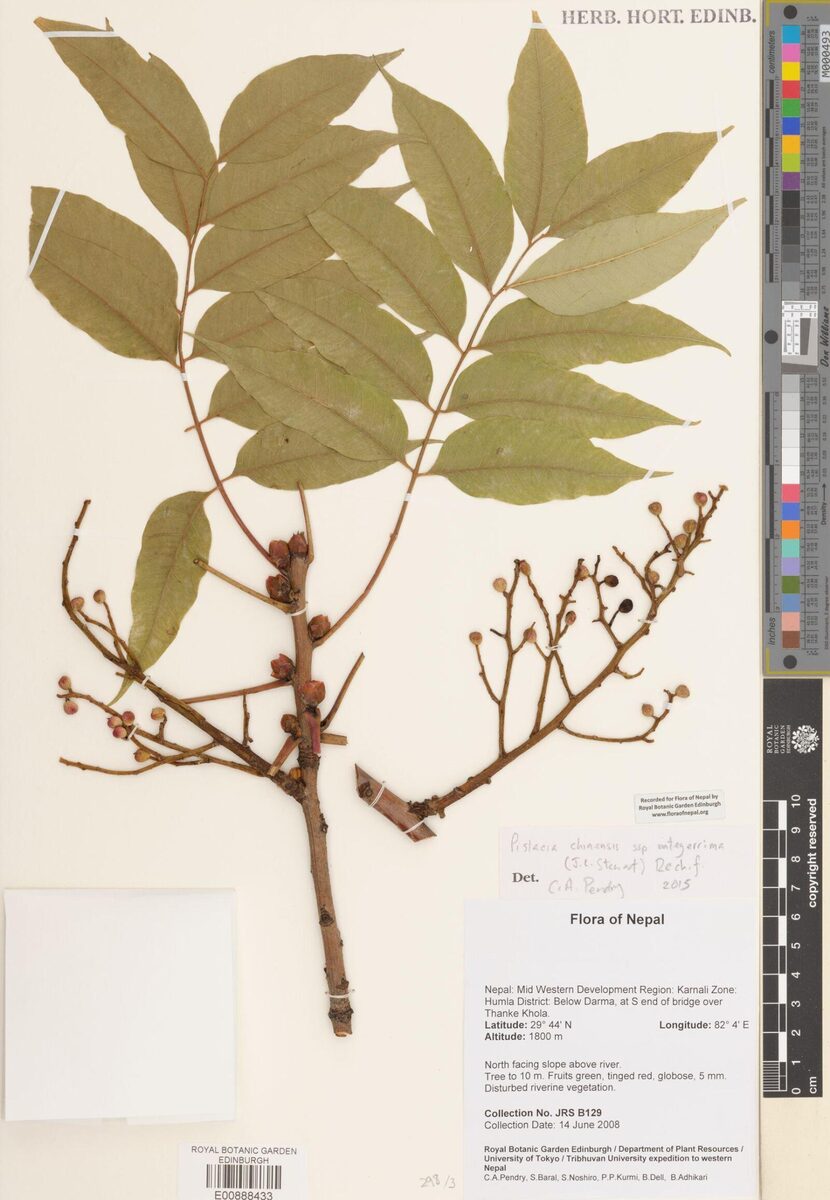
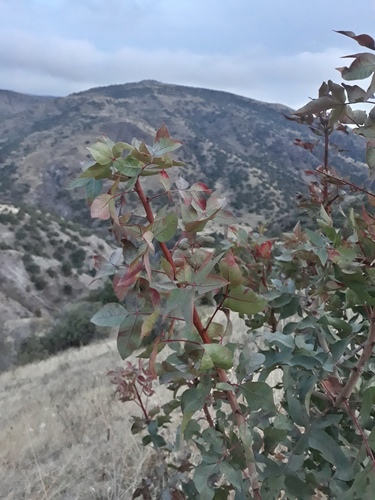
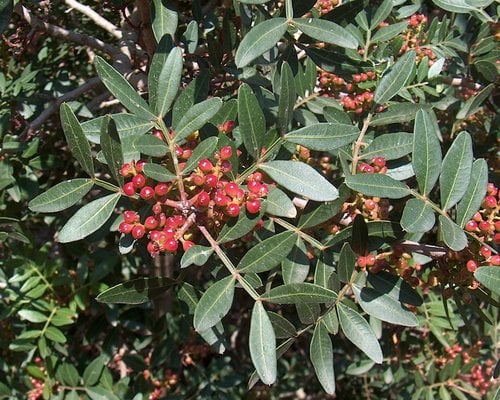
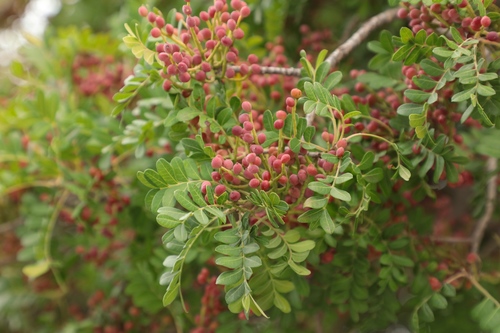
A tree. It loses its leaves during the year. It grows 20 m tall. The small branches have a yellowish brown hairy coating. The leaf stalks are 7-14 cm long and they are fattened at the base. The leaves are compound. They are 15-30 cm long. There are 9-13 leaflets. The leaflets are oblong and 6-13 cm long by 3-6 cm wide. The flowers are yellowish green. The fruit are 5-6 cm long by 7-8 mm wide.
Edible Uses
None known.
Traditional Uses
The tender shoots are eaten.
This uses section is brief — help expand it
Medicinal Uses
The leaves are used in the treatment of wasting diseases and internal parasites. The seed is haemostatic and is used in the treatment of dysentery. A resin from the plant is emmenagogue, haemolytic, stimulant, tonic, and vermifuge. Some caution is advised in the use of the leaves and stems of this plant.
Distribution
It is a temperate plant.
Where It Grows
Asia, Central Asia, China, Himalayas, India, Japan, Korea, Tajikistan,
Propagation
Seed is best sown in a cold frame as soon as it is ripe. Pre-soak for 24 hours in hot water (starting at 80–90°C and allowing it to cool) to leach out germination inhibitors. Stored seed also needs hot water treatment and can be sown in early spring in a cold frame. Prick seedlings into individual pots once large enough and grow on in the greenhouse through their first winter before planting out in late spring or early summer after the last expected frosts. Half-ripe wood cuttings of 10cm with a heel can be taken in July/August in a frame. Root cuttings 4cm long taken in December should be potted up vertically in a greenhouse, with good success rates. Suckers can be taken in late autumn to winter.
Other Uses
A non-drying oil obtained from the fruit is used to make candles, which burn brilliantly but emit a pungent smoke. The fruit contains about 25% fat and is processed by crushing, heating, and crushing again to extract the oil, which attains a tallow-like consistency on standing. The sap can be used as a varnish or lacquer, obtained by incising the stem, ideally in midsummer. This lacquer is frequently used in Japanese art; it requires a damp atmosphere to dry and harden, with a moist cave being ideal. It is resistant to acids, alkalis, alcohol, and temperatures up to 70°C. The leaves and insect-damage galls are rich in tannin; leaves collected in autumn can be used as a brown dye or as a mordant.
Synonyms
Also Known As
De ki
References (3)
- Cheng, Z., et al, 2022, Ethnobotanical study on wild edible plants used by Dulong people in northwestern Yunnan, China. Journal of Ethnobiology and Ethnomedicine (2022) 18:3
- Wang, J., et al, 2020, An ethnobotanical survey of wild edible plants used by the Yi people of Liangshan Prefecture, Sichuan Province, China. Journal of Ethnobiology and Ethnomedicine 16:10
- World Checklist of Useful Plant Species 2020. Royal Botanic Gardens, Kew