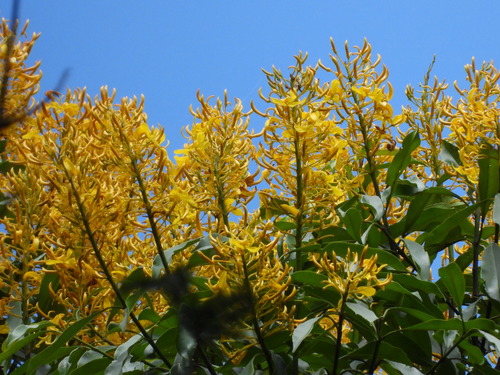
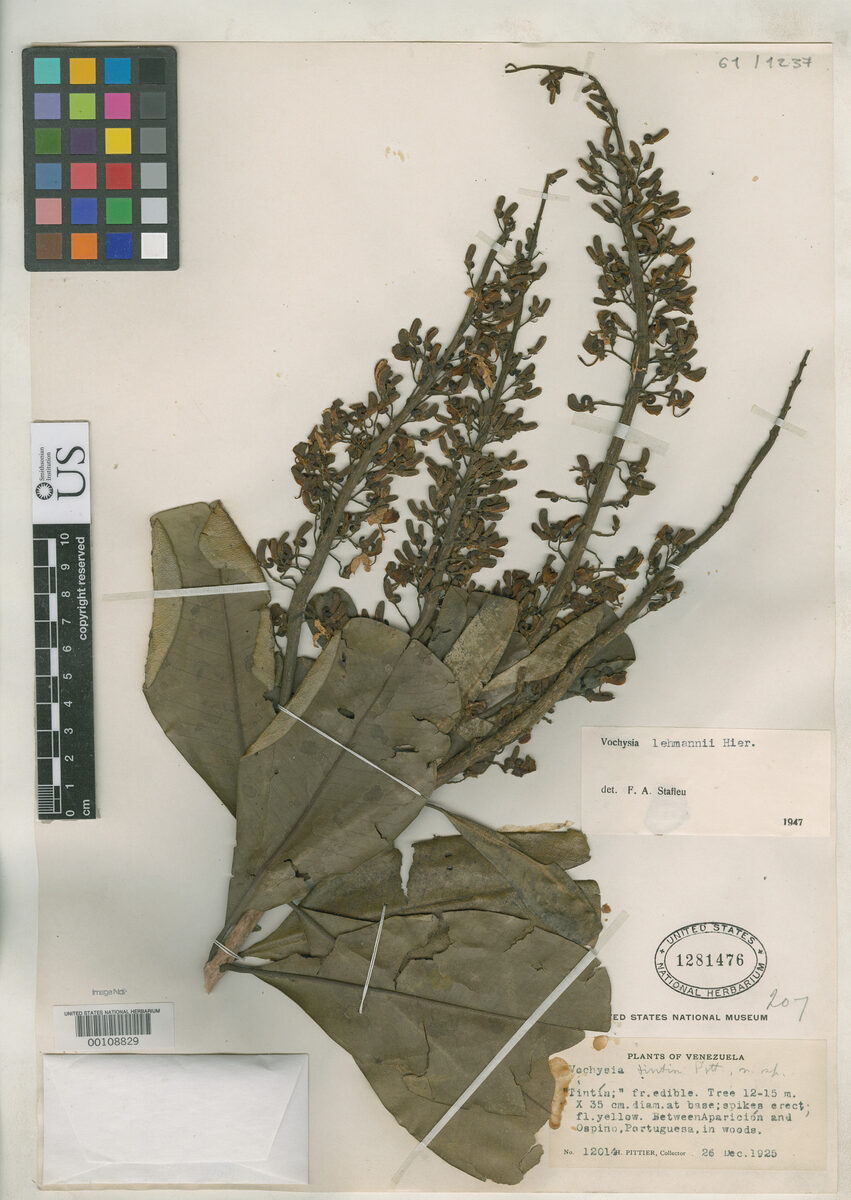
Vochysia tucanorum
Mart.
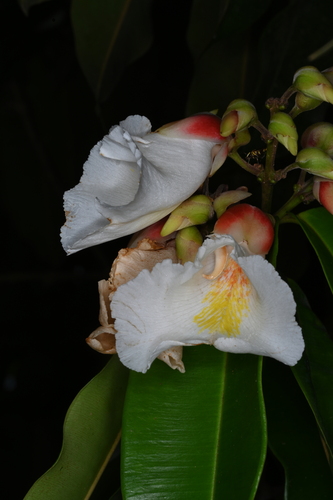
iNaturalist· cc-by-nc
(c) rick_costa, some rights reserved (CC BY-NC), uploaded by rick_costa
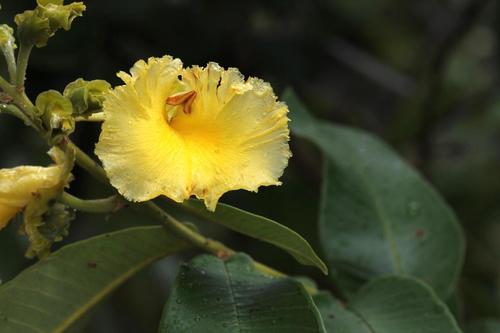
iNaturalist· cc-by-nc
(c) Laurent Quéno, some rights reserved (CC BY-NC), uploaded by Laurent Quéno
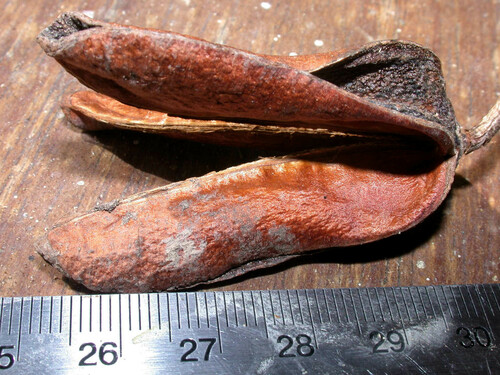
iNaturalist· cc-by-nc
(c) Laurent Quéno, some rights reserved (CC BY-NC), uploaded by Laurent Quéno
Description
A tree. The crown is dense and round. It grows 8-12 m tall. The trunk is 30-40 cm across. The leaves are simple and broad.
This description is brief — help expand it
Edible Uses
The seeds are used for oil.
Distribution
It is a tropical plant.
Where It Grows
Argentina, Bolivia, Brazil, Paraguay, South America, Suriname,
Cultivation
Requires a sunny position. Succeeds in most soils, including poor, sandy soils. Seedlings are slow to establish after being planted and also grow away slowly.
Propagation
Seed - best sown as soon as it is ripe. It does not require any pre-treatment. Plants are intolerant of root disturbance and so should be sown in individual containers and kept in light shade. Germination rates are usually low, with the seed taking from 20 - 60 days to commence sprouting. Seedlings grow away slowly and it will take nearly a year before they are large enough to plant into their permanent positions.
Other Uses
The wood is light, soft, of low durability in contact with the soil. The low quality wood is only used for boxes, toys and light artefacts. The wood is used for fuel. We do not have any more information on the wood for this species. However, a general description of the wood for trees in this genus is as follows:- The heartwood is a dull uniform pink, pinkish- brown or golden-brown; it is not always sharply demarcated from the whitish to yellowish sapwood. The texture is moderately coarse; the grain slightly to highly interlocked; lustre is medium to high; there is no distinctive odour or taste. Vertical traumatic gum ducts may occur sporadically, and is sometimes considered as an objectionable defect. Different species are variable in decay resistance, they are generally reported to be susceptible to attack by fungi as well as insects. Air drying rates range from slow to rapid, the wood being prone to warp with some checking; collapse occurs in thick stock; quartersawing is suggested to minimize degrade. The wood is easily worked by either hand or machine tools, but raised and wooly grain are common defects; it takes glue, paint, and nails well, and polishes to a good finish; it has a tendency to blunt cutting edges. It is used for purposes such as carpentry, utility plywood, furniture components, interior trim, millwork. It has been suggested as a substitute for Cedrela. Although slow-growing, the tree is a useful pioneer species, able to establish itself in poor soils.
Synonyms
Also Known As
Pau de tucano
References (1)
- World Checklist of Useful Plant Species 2020. Royal Botanic Gardens, Kew