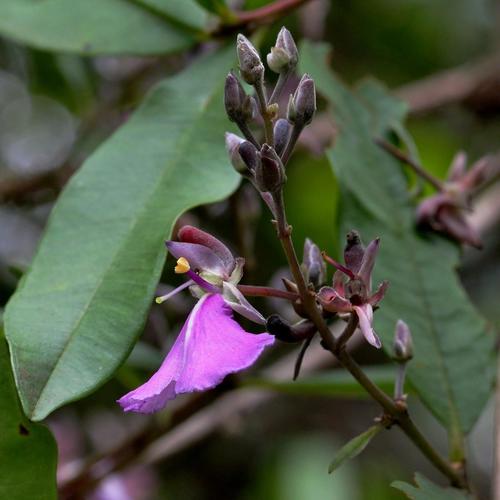
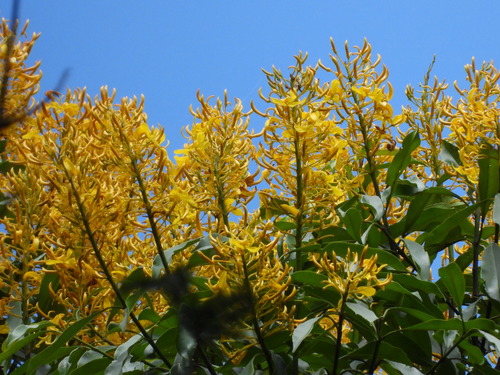
Erisma japura
Spruce ex Warm.
Japura
gbif· cc-by-nc
L. A. Torres Montenegro : Servicios de Biodiversidad EIRL
gbif· cc-by-nc
L. A. Torres Montenegro : Servicios de Biodiversidad EIRL
gbif· cc-by-nc
L. A. Torres Montenegro : Servicios de Biodiversidad EIRL
Description
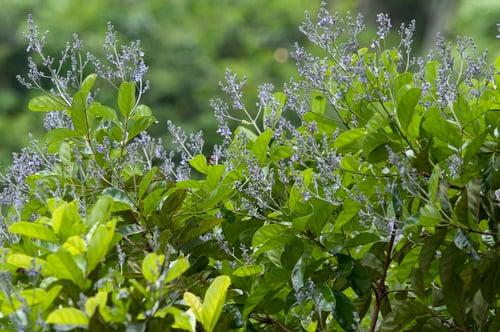
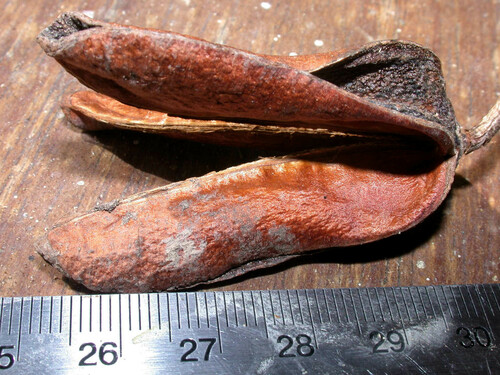
A large tropical tree native to rainforests in humid lowlands, found in areas with warm temperatures (26°C average) and high rainfall (around 3,400 mm annually). It produces red fruit containing edible kernels that are highly valued as an important food source for local people.
Edible Uses
The kernels are eaten raw or boiled. The seeds can also be boiled, soaked in running water for several weeks, and pounded into a butter-like form.
Traditional Uses
The kernel is eaten raw or boiled. The seeds are also boiled, left in running water for several weeks and then pounded to give a form of butter. Caution: It is poisonous without treatment.
Known Hazards
The seeds are poisonous without proper treatment (boiling and/or soaking).
Distribution
A tropical plant. It grows in the rainforest. It grows in the humid lowlands. It occurs in areas with a average annual temperature of 26°C and an annual rainfall of about 3,400 mm.
Where It Grows
Amazon, Brazil, Colombia, Guyana, South America, Venezuela,
Cultivation
A plant of the humid, lowland tropics. It is found in areas where the mean annual temperature is in the region of 26°c and the mean annual rainfall is around 3,400mm. The rainfall is fairly well distributed, but there is a drier period of about 3 months.
Other Information
The seeds are highly valued. They are an important source of food for local people.
Notes
There are 20 Erisma species.
Also Known As
Badigue, Japura, Kikije-e, Oreja de chimbe, Quaruba-branca
References (14)
- Etkin, N.L. (Ed.), 1994, Eating on the Wild Side, Univ. of Arizona. p 122, 137
- Fern, K., 2012, Tropical Species Database http://theferns.info/tropical/
- Grandtner, M. M. & Chevrette, J., 2013, Dictionary of Trees, Volume 2: South America: Nomenclature, Taxonomy and Ecology. Academic Press p 222
- GRIN
- Hedrick, U.P., 1919, (Ed.), Sturtevant's edible plants of the world. p 293
Show all 14 references Hide references
- Heywood, V.H., Brummitt, R.K., Culham, A., and Seberg, O. 2007, Flowering Plant Families of the World. Royal Botanical Gardens, Kew. p 337
- Kermath, B. M., et al, 2014, Food Plants in the Americas: A survey of the domesticated, cultivated and wild plants used for Human food in North, Central and South America and the Caribbean. On line draft. p 340
- Lopez-Diago, D. & Garcia, N., 2021, Wild edible fruits of Colombia. Biota ColomBiana 22 (2) p 54
- Menninger, E.A., 1977, Edible Nuts of the World. Horticultural Books. Florida p 116
- Paz, F. S., et al, 2021, Edible Fruit Plant Species in the Amazon Forest Rely Mostly on Bees and Beetles as Pollinators. Journal of Economic Entomology, XX(XX), 2021, 1–13
- Roa, J. A. G. & Boada, D. S. G., 2018, Fundación para el Fortalecimiento de la Fruticultura y Plantas Alimenticias no Convencionales en Colombia.
- Smith, N., Mori, S.A., et al, 2004, Flowering Plants of the Neotropics. Princeton. p 398
- Wickens, G.E., 1995, Edible Nuts. FAO Non-wood forest products. FAO, Rome. p158
- World Checklist of Useful Plant Species 2020. Royal Botanic Gardens, Kew