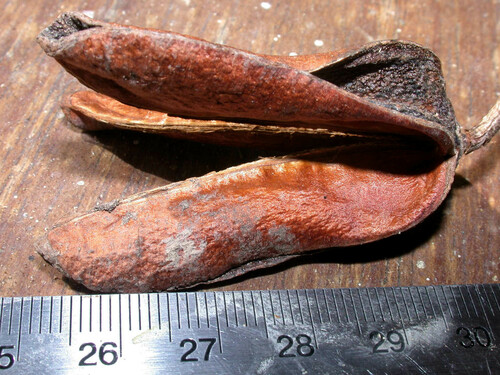
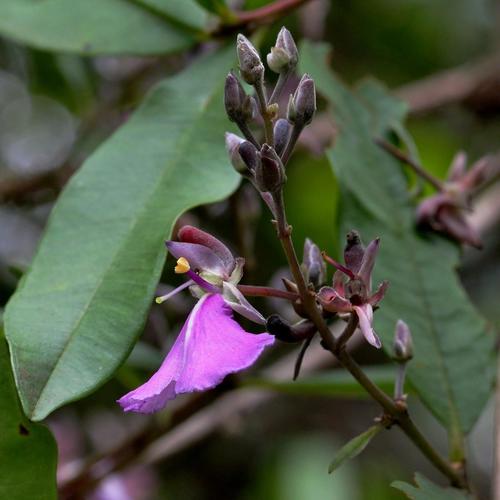
Erisma uncinatum
Warm.
Bruto
iNaturalist· cc-by-nc-sa
(c) anonyme973, some rights reserved (CC BY-NC-SA)
iNaturalist· cc-by-nc
(c) Pierrot F., some rights reserved (CC BY-NC)
Description
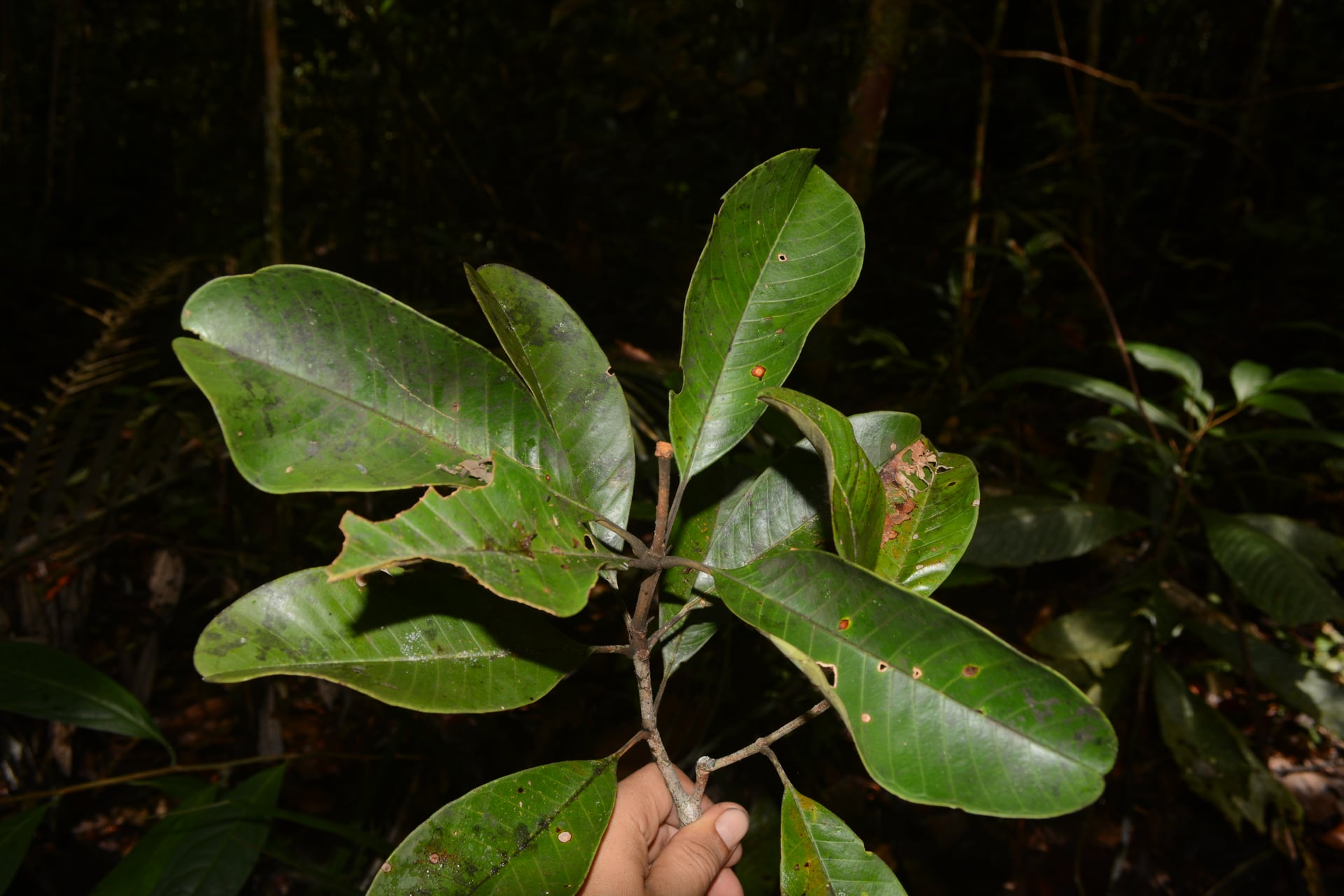
A large tree. It grows 7-18 m tall. The crown is round. The trunk is 40-100 cm across.
This description is brief — help expand it
Edible Uses
The fruit is eaten.
Distribution
It is a tropical plant.
Where It Grows
Amazon, Bolivia, Brazil, Colombia, Ecuador, French Guiana, Guianas, Guyana, Peru, South America, Suriname, Venezuela,
Cultivation
It can be grown from seed.
Propagation
Seed - best sown as soon as it is ripe in a partially shaded position in a nursery seedbed. A germination rate of less than 50% can be expected, with the seed sprouting within 40 - 60 days.
Other Uses
The heartwood is a light pinkish-brown, more or less dark, sometimes with red or purplish shades; it is clearly demarcated from the 4 - 14cm wide band of yellowish-white sapwood. The texture is coarse; the grain straight; lustre is medium; with no distinct taste or aroma. The wood is light to moderately heavy; soft; with moderate mechanical properties; not very durable, being resistant to dry wood borers, moderately resistant to fungi and susceptible to termites. It seasons normally, with only a slight risk of checking or distortion; once dry it is poorly stable in service. It works well with ordinary tools; planes, sands and turns well; finishes well; nailing and screwing are good; gluing is correct. The wood is used for internal purposes in construction; interior and exterior panelling and joinery; for making boards in general; window and door frames; boxes and crates; furniture frames; tool handles; toys and plywood etc. The wood is used for fuel and to make charcoal.
Synonyms
Also Known As
Arenillo, Flor morado, Milpo, Palo perico, Quarubana
References (3)
- Ferns, Useful Tropical Plants.
- Lopez-Diago, D. & Garcia, N., 2021, Wild edible fruits of Colombia. Biota ColomBiana 22 (2) p 54
- Roa, J. A. G. & Boada, D. S. G., 2018, Fundación para el Fortalecimiento de la Fruticultura y Plantas Alimenticias no Convencionales en Colombia.