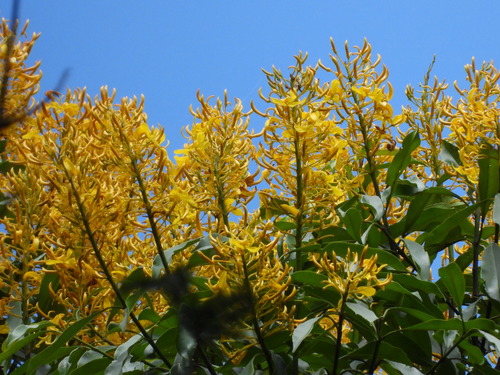
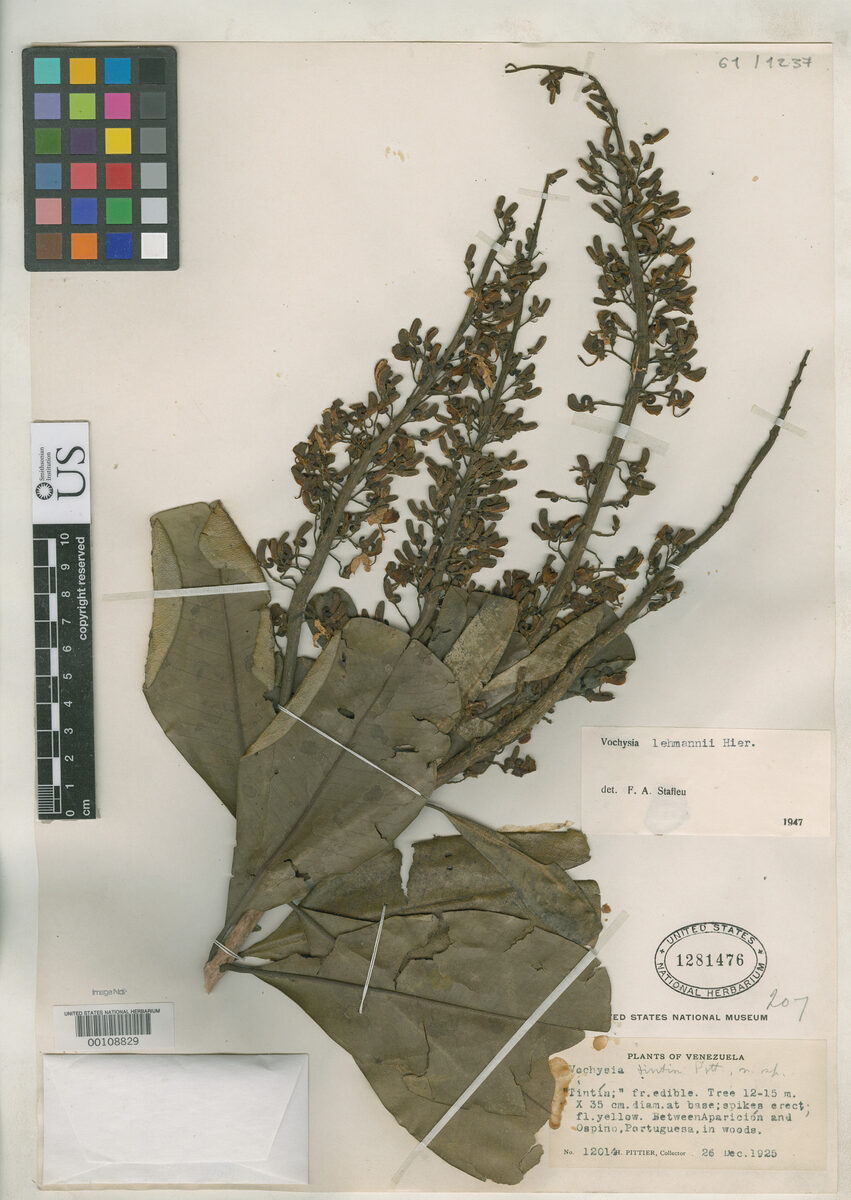
Qualea acuminata
Spruce ex Warm.
Acumiate qualea
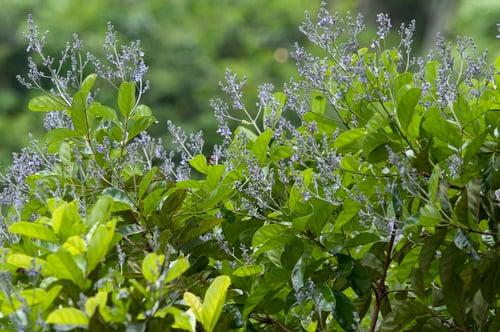
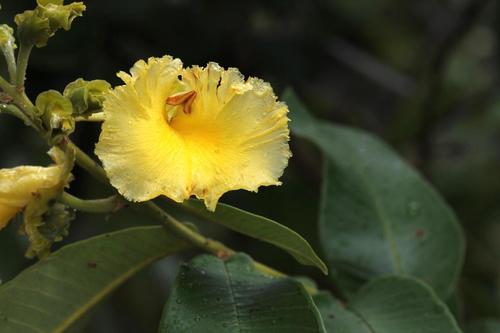
iNaturalist· cc-by-nc
(c) Robin Heymans, some rights reserved (CC BY-NC), uploaded by Robin Heymans
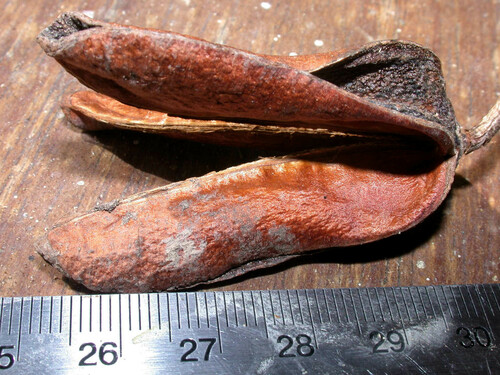
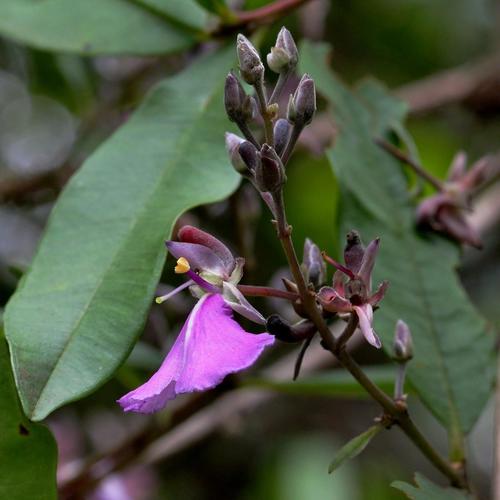
iNaturalist· cc-by-nc
(c) Robin Heymans, some rights reserved (CC BY-NC)
Description
A tropical tree that grows along the edge of water, belonging to the Vochysiaceae family.
This description is brief — help expand it
Edible Uses
The fruit and seeds are edible.
Distribution
It is a tropical plant. It grows along the edge of water
Where It Grows
Amazon, Bolivia, Brazil, Central America, Colombia, French Guiana, Guyana, Panama, Peru, South America,
Other Uses
This species is a source of 'Mandioqueira' wood. We do not have any specific information on the wood of this tree, but a general description of mandioqueira wood is as follows:- The heartwood is a pinkish brown to red brown, sometimes olive brown; it is clearly demarcated from the 3 - 6cm wide band of sapwood. The texture is medium; the grain straight or interlocked, sometimes wavy; the unseasoned wood has an unpleasant odour. The wood is moderately heavy; moderately hard; moderately durable, having a good resistance to dry wood borers, moderate resistance to fungi, but poor resistance to termites. It seasons at a normal rate, with a high risk of checking and distortion; once dry it is poorly stable in service. It can usually be worked with ordinary tools, though some species have higher contents of silica and work better with stellite-tipped and tungsten carbide tools; nailing and screwing are good; gluing is correct. The wood is used in construction, heavy carpentry, joinery, panelling, flooring, furniture components, tool handles, boxes and crates, veneer etc.
Synonyms
Also Known As
Gomo, Homacabero, Salado de rebalse, Salado rebalsero
References (4)
- Grandtner, M. M. & Chevrette, J., 2013, Dictionary of Trees, Volume 2: South America: Nomenclature, Taxonomy and Ecology. Academic Press p 556
- Kermath, B. M., et al, 2014, Food Plants in the Americas: A survey of the domesticated, cultivated and wild plants used for Human food in North, Central and South America and the Caribbean. On line draft. p 731
- Lopez-Diago, D. & Garcia, N., 2021, Wild edible fruits of Colombia. Biota ColomBiana 22 (2) p 54
- Roa, J. A. G. & Boada, D. S. G., 2018, Fundación para el Fortalecimiento de la Fruticultura y Plantas Alimenticias no Convencionales en Colombia.