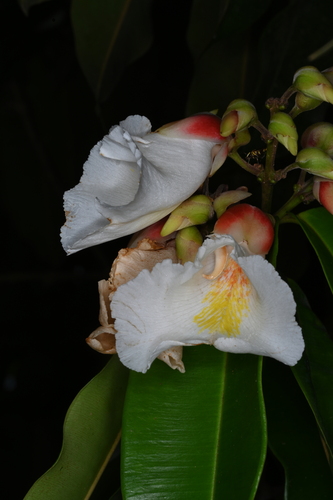
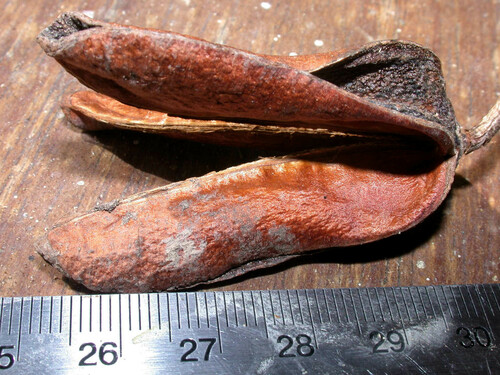
Qualea grandiflora
Mart.
iNaturalist· cc-by-nc-sa
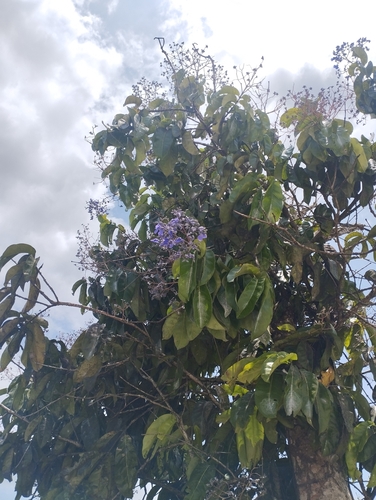
(c) Mauricio Mercadante, some rights reserved (CC BY-NC-SA)
iNaturalist· cc-by-nc
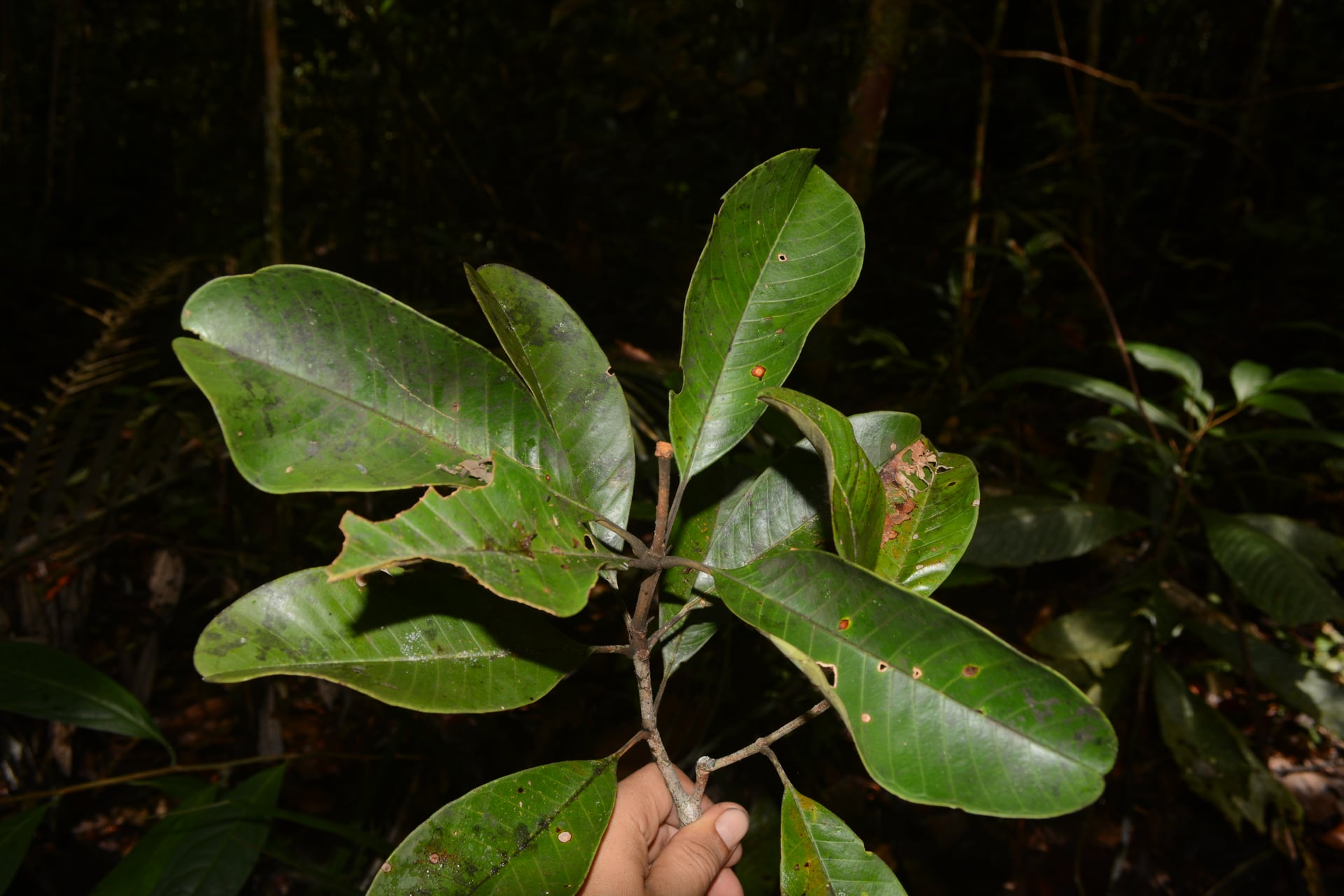
(c) Ricardo Dislich, some rights reserved (CC BY-NC)
iNaturalist· cc-by
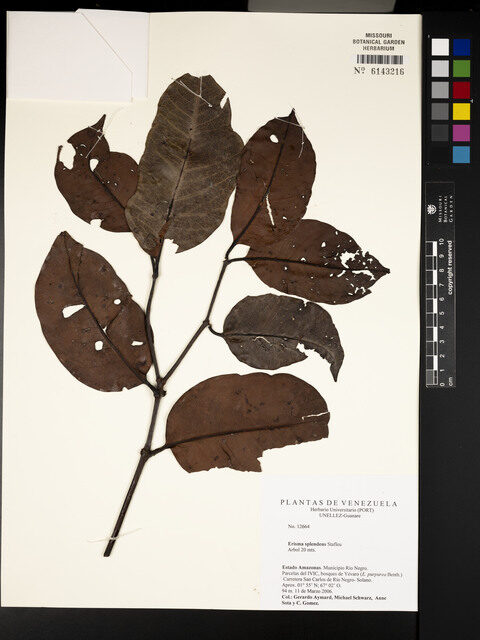
(c) Thomaz Ricardo Favreto Sinani, some rights reserved (CC BY)
Description
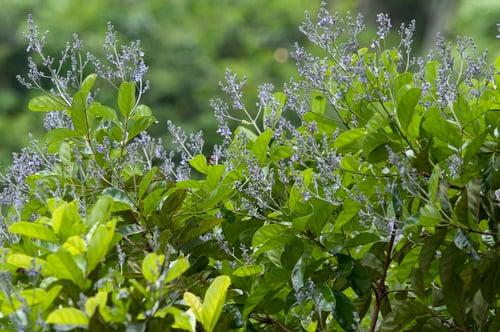
A tropical tree in the Vochysiaceae family, the seeds of which are edible.
This description is brief — help expand it
Edible Uses
The seeds are eaten.
Distribution
It is a tropical plant.
Where It Grows
Bolivia, South America,
Cultivation
Prefers a sunny position. Tolerates poor soils. Established plants are drought tolerant. A slow-growing tree. Plants resent root disturbance, transplanting poorly.
Propagation
Seed - best sown as soon as it is ripe in a partially shaded position in individual containers. A germination rate of below 20% can normally be expected, with the seed sprouting within 25 - 50 days. Seedlings grow very slowly, but should be ready to plant out 10 - 11 months later.
Other Uses
Sapwood and heartwood are not clearly differentiated. The wood is medium-textured, moderately heavy, with poor mechanical properties, susceptible to rot when exposed. Easy to cut and work with, it can be used for low value items such as boards, toys, furniture structures, boxes etc.
Synonyms
Also Known As
Almendro
References (1)
- Zambrana, P, et al, 2017, Traditional knowledge hiding in plain sight – twenty-first century ethnobotany of the Chácobo in Beni, Bolivia. Journal of Ethnobiology and Ethnomedicine (2017) 13:57