Uribea tamarindoides
Dugand & Romero
Tamarind like uribea
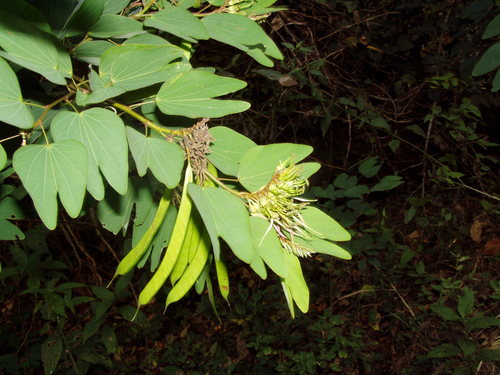
iNaturalist· cc-by-nc
(c) Juan Diego Mora López, some rights reserved (CC BY-NC), uploaded by Juan Diego Mora López
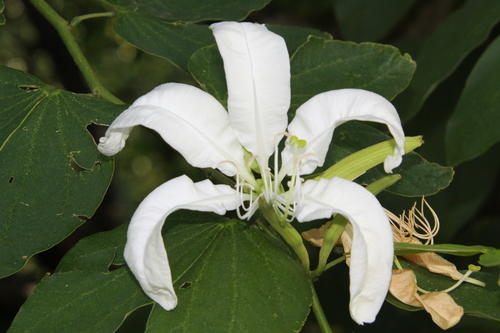
iNaturalist· cc-by-nc
(c) Yeison Herrera Medina, some rights reserved (CC BY-NC), uploaded by Yeison Herrera Medina
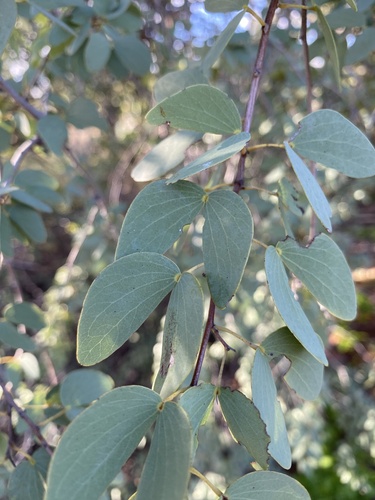
iNaturalist· cc-by-nc
(c) Leonardo Álvarez-Alcázar, some rights reserved (CC BY-NC), uploaded by Leonardo Álvarez-Alcázar
Description
A tree. It grows 30-50 m tall. The leaves are 10-18 cm long and divided into leaflets with one at the end. There are 12-17 leaflets and they are alternate. They are 4-8.5 cm long by 1.7-3.5 cm wide. The fruit are 4-8 cm long by 1.8-2.5 cm wide.
Edible Uses
The aril or fleshy layer surrounding the seeds is eaten, with a flavor similar to tamarind.
Traditional Uses
The aril of fleshy layer around the seeds is eaten. It is like tamarind.
This uses section is brief — help expand it
Distribution
It is a tropical plant.
Where It Grows
Central America, Colombia, Costa Rica, Panama, South America,
Other Uses
The wood is heavy, very hard, durable. It is generally too hard for local populations to use and is of limited availability and is little exploited commercially
Also Known As
Algarrobillo, Almendro, Arco, Granadillo, Tamarindo, Tamarindo de mico
References (6)
- Grandtner, M. M., 2008, World Dictionary of Trees. Wood and Forest Science Department. Laval University, Quebec, Qc Canada. (Internet database http://www.wdt.qc.ca)
- Grandtner, M. M. & Chevrette, J., 2013, Dictionary of Trees, Volume 2: South America: Nomenclature, Taxonomy and Ecology. Academic Press p 683
- Kermath, B. M., et al, 2014, Food Plants in the Americas: A survey of the domesticated, cultivated and wild plants used for Human food in North, Central and South America and the Caribbean. On line draft. p 889
- Kew Plants of the World On line
- Lopez-Diago, D. & Garcia, N., 2021, Wild edible fruits of Colombia. Biota ColomBiana 22 (2) p 39
Show all 6 references Hide references
- Roa, J. A. G. & Boada, D. S. G., 2018, Fundación para el Fortalecimiento de la Fruticultura y Plantas Alimenticias no Convencionales en Colombia.