Uraria rufescens
(DC.) Schindl.
iNaturalist· cc-by
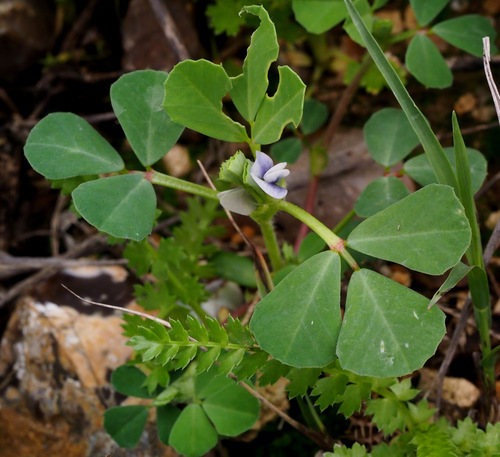
(c) Siddarth Machado, some rights reserved (CC BY), uploaded by Siddarth Machado
iNaturalist· cc-by-sa
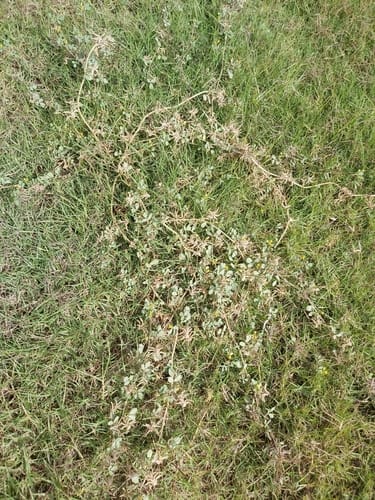
(c) Dinesh Valke, some rights reserved (CC BY-SA)
iNaturalist· cc-by-sa
(c) Dinesh Valke, some rights reserved (CC BY-SA)
Description
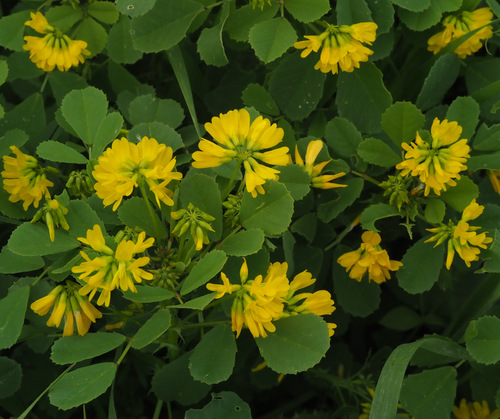
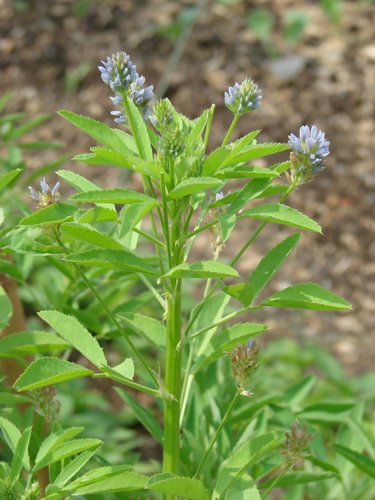
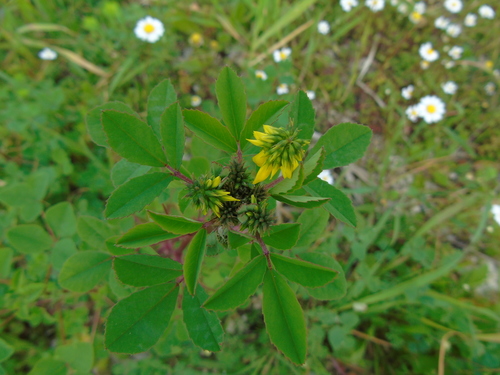
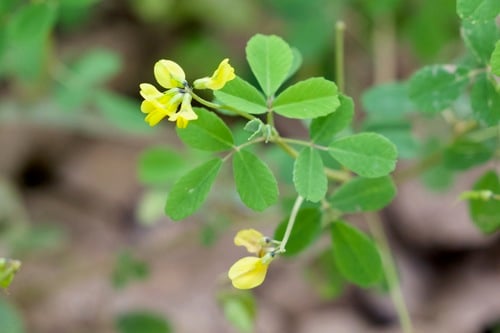
An annual herb. It tends to lie along the ground or be slightly climbing. It grows 40-100 cm tall. The leaves have 3 leaflets. The leaflets are 3-8 cm long by 2-4 cm wide. There are hairs underneath. The flowers are small and yellow. The pods are small.
Edible Uses
The seeds are cooked and eaten.
Traditional Uses
The seeds are cooked and eaten.
This uses section is brief — help expand it
Distribution
It is a subtropical plant. It grows in old paddy fields after harvesting or in other dried out soils. In southern China it grows on mountain slopes below 900 m above sea level.
Where It Grows
Asia, Bangladesh, Cambodia, India, Indochina, Indonesia, Laos, Malaysia, Myanmar, Northeastern India, SE Asia, Sri Lanka, Thailand, Tibet, Vietnam,
Synonyms
Also Known As
Hauvi hoe, Hikoti mah, Kolma
References (1)
- Patiri, B. & Borah, A., 2007, Wild Edible Plants of Assam. Geethaki Publishers. p 41