Cucumella engleri
(Gilg) C. Jeffrey
gbif· cc-by
Meise Botanic Garden
gbif· cc0
Carnegie Museum of Natural History
gbif· cc-by-sa
GBIF
Description
A pumpkin family herb that lies along the ground. It grows 1.2 m long. It is bristly. The leaf blade is 1-8 cm long by 2-7 cm wide. They are broadly oval. Young leaves have a covering underneath. It may or may not have lobes. There can be 3-5 lobes arranged like fingers on a hand. The central lobe is the largest and the lobes are triangle shaped. The male flowers are in groups of 2-12 flowers. The fruit are 1-4 cm long by 1-1.5 cm wide. They are narrow and have ribs along them. They are orange-red. The seeds are 4-7 mm long by 2-4 mm wide and 1 mm thick.
Edible Uses
The fruit is eaten.
Traditional Uses
Caution: Some consider the fruit poisonous.
This uses section is brief — help expand it
Known Hazards
Some consider the fruit poisonous.
Distribution
A tropical plant. It can grow in arid places.
Where It Grows
Africa, Central Africa, Congo, East Africa, Kenya, Malawi, Sudan, Tanzania, Uganda, Zambia,
Synonyms
References (6)
- Flora Zambesiaca. http://apps.kew.org/efloras
- Fowler, D. G., 2007, Zambian Plants: Their Vernacular Names and Uses. Kew. p 79
- Grivetti, L. E., 1980, Agricultural development: present and potential role of edible wild plants. Part 2: Sub-Saharan Africa, Report to the Department of State Agency for International Development. p 44
- Jardin, C., 1970, List of Foods Used In Africa, FAO Nutrition Information Document Series No 2.p 131
- Kew Bull. 15:350. 1962
Show all 6 references Hide references
- Royal Botanic Gardens, Kew (1999). Survey of Economic Plants for Arid and Semi-Arid Lands (SEPASAL) database. Published on the Internet; http://www.rbgkew.org.uk/ceb/sepasal/internet [Accessed 15th April 2011]
More from Cucurbitaceae
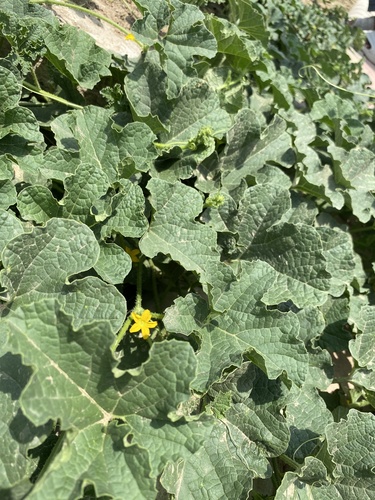
Cucumis melo var. agrestis
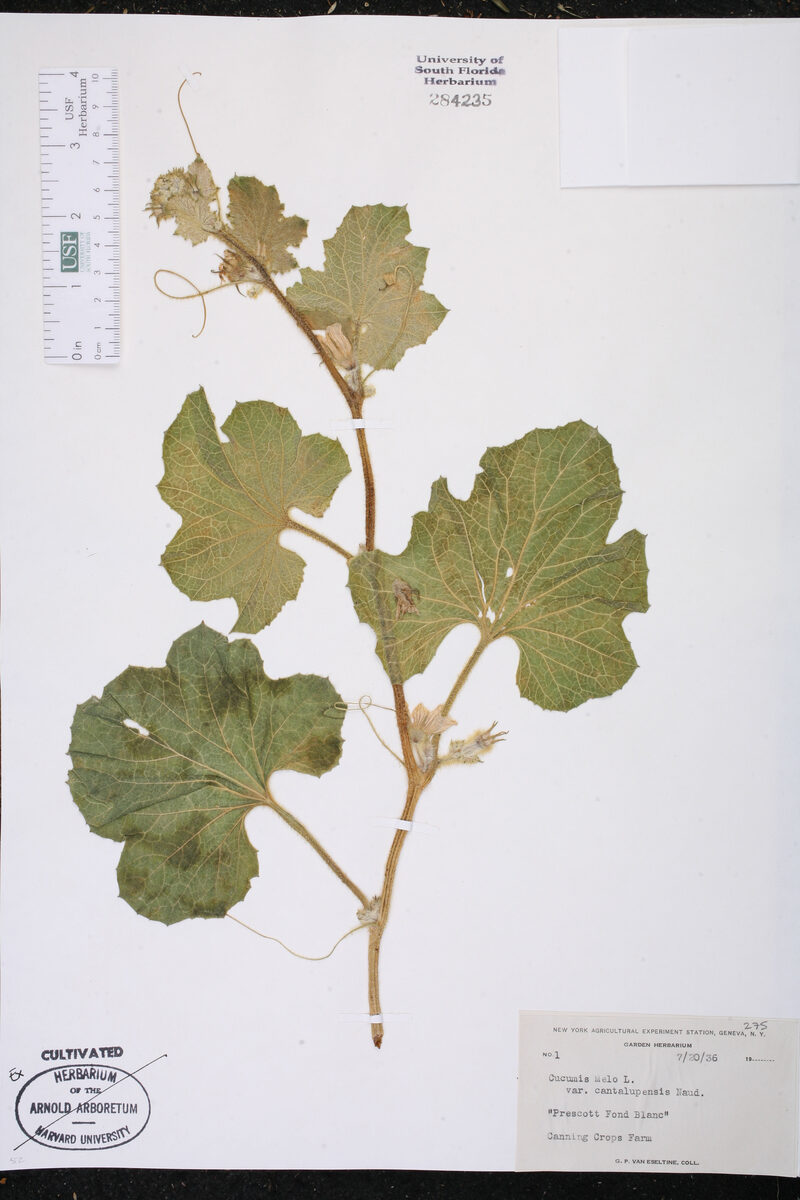
Cucumis melo var. cantalupensis
Musk melon, Cantaloupe, Rock melon
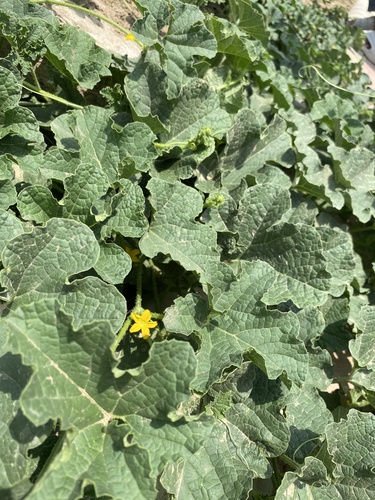
Cucumis melo var. chito
Dudaim melon, Garden-lemon, Mango melon, Melon-apple, Orange melon
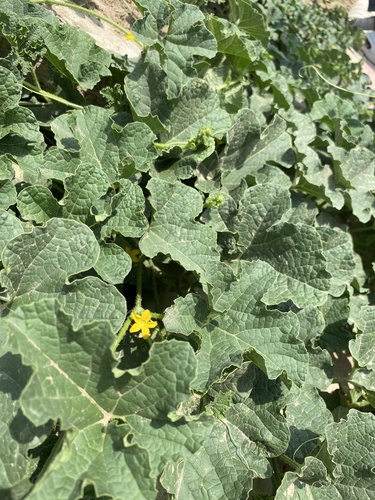
Cucumis melo var. conomon
Oriental pickling melon, Tea melon
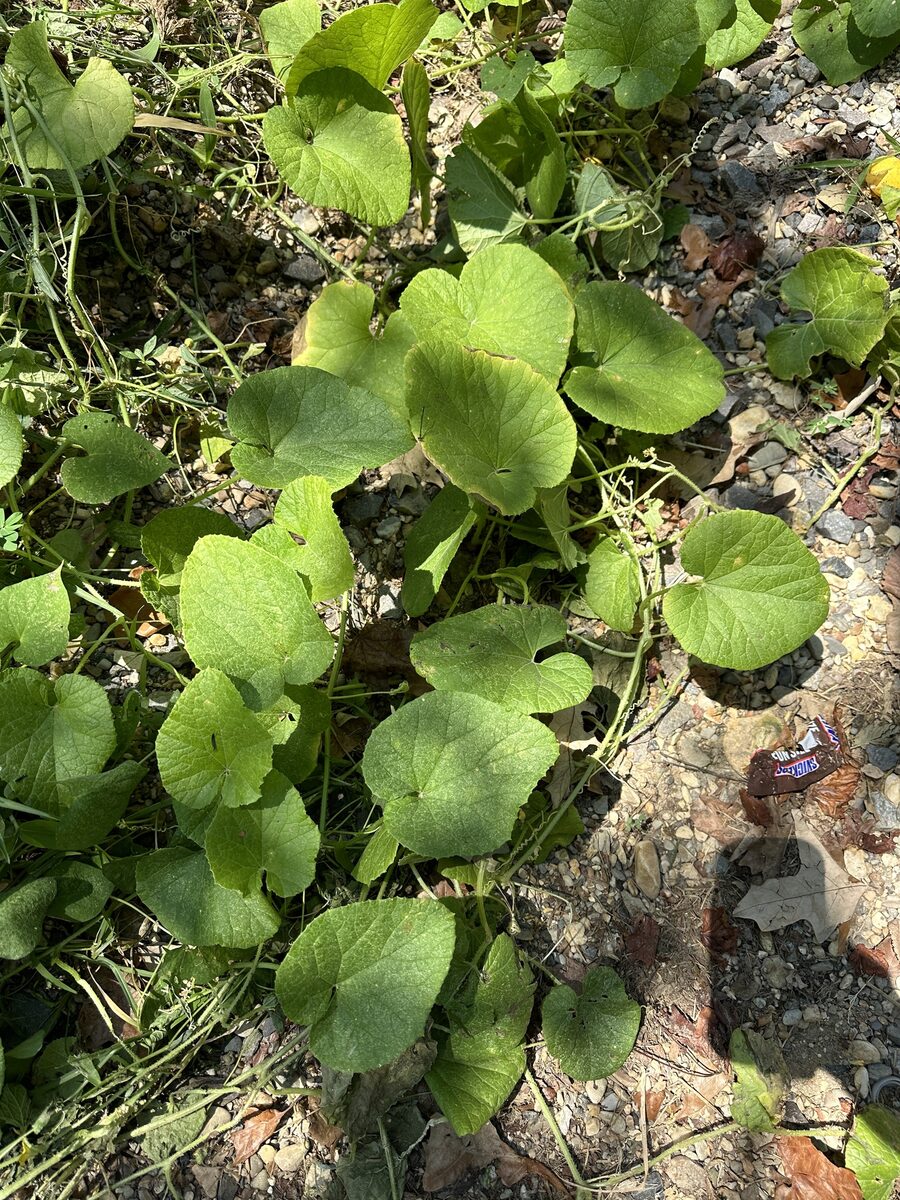
Cucumis melo var. dudaim
Watermelon, Dudaim melon, Pomegranate melon
Cucumis melo var. flexuosus
Armenian cucumber, Snake cucumber