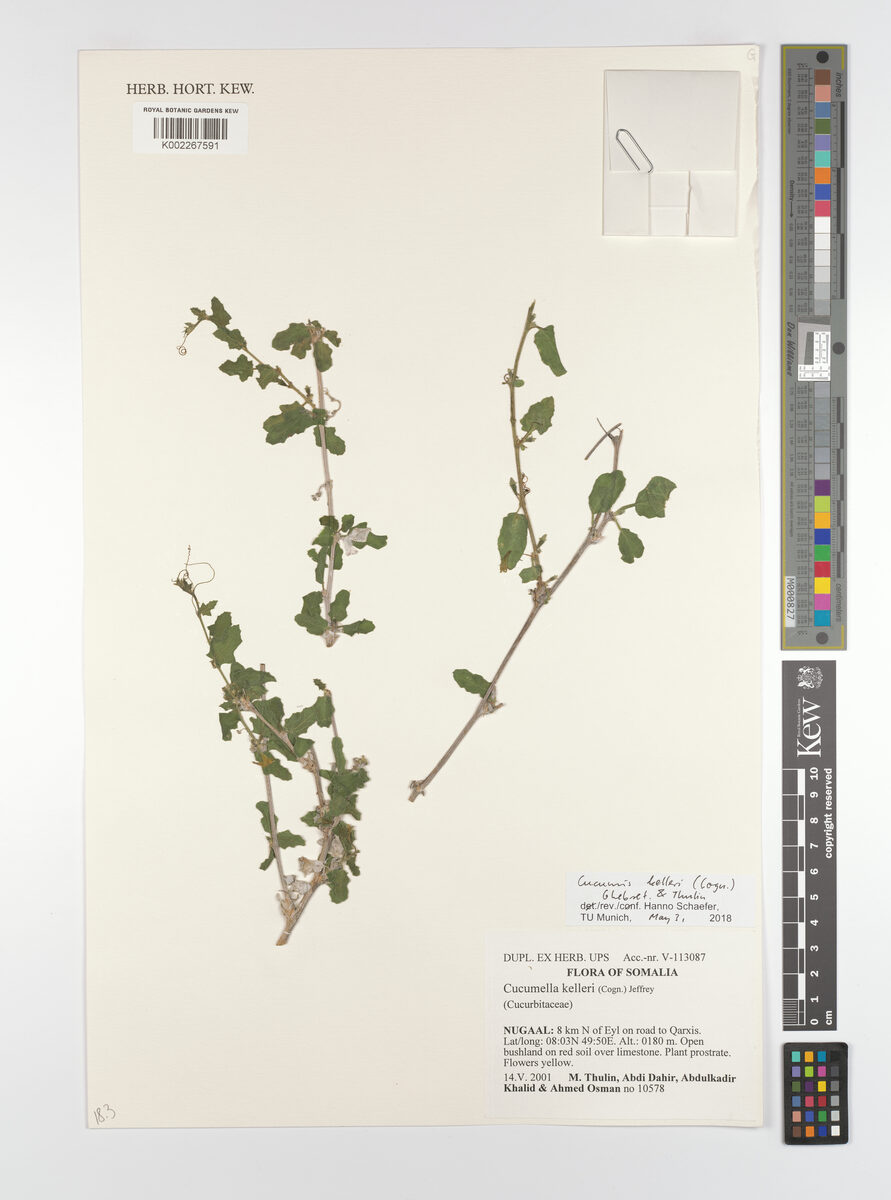
Cucumis melo var. dudaim
L.; (L.) Grebb.
Watermelon, Dudaim melon, Pomegranate melon
gbif· cc-by-nc
jim_keesling
gbif· cc-by-nc
jim_keesling
gbif· cc-by-nc
jim_keesling
Summary
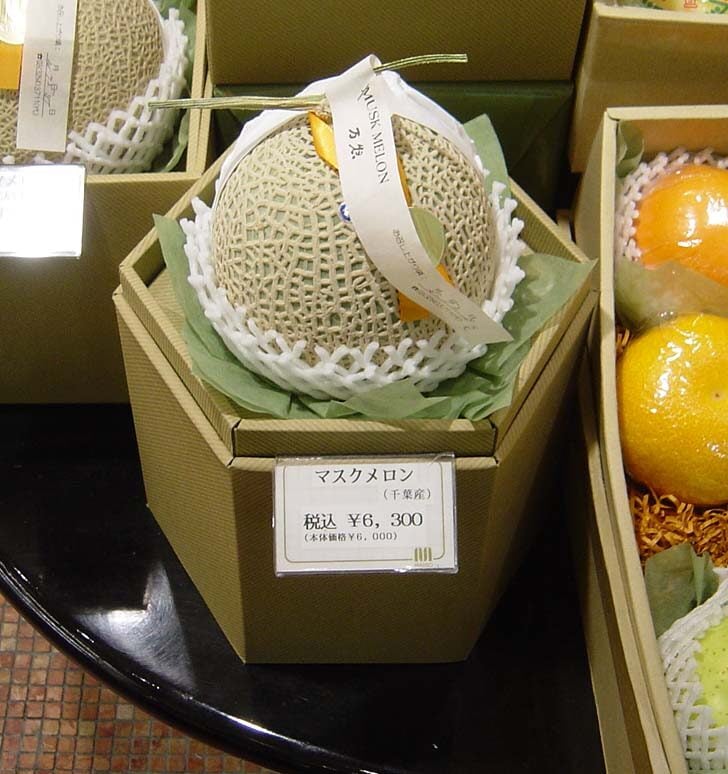
Source: WikipediaCucumis melo, also known as melon, is a species of Cucumis that has been developed into many cultivated varieties. The fruit is a pepo. The flesh is either sweet or bland, with or without an aroma, and the rind can be smooth (such as honeydew), ribbed (such as European cantaloupe), wrinkled (such as Casaba melon), or netted (such as American cantaloupe). The species is sometimes referred to as muskmelon. However, there is no consensus about the usage of this term, as it can also be used as a specific name for the musky netted-rind American cantaloupe, or as a generic name for any sweet-flesh variety such the inodorous smooth-rind honeydew melon. The origin of melons is not known. Research has revealed that seeds and rootstocks were among the goods traded along the caravan routes of the Ancient World. Some botanists consider melons native to the Levant and Egypt, while others place their origin in Iran, India or Central Asia. Still others support an African origin; in modern times, wild melons can still be found in some African countries.
Description
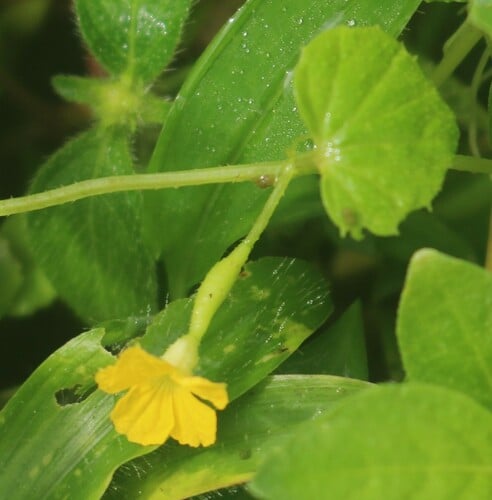
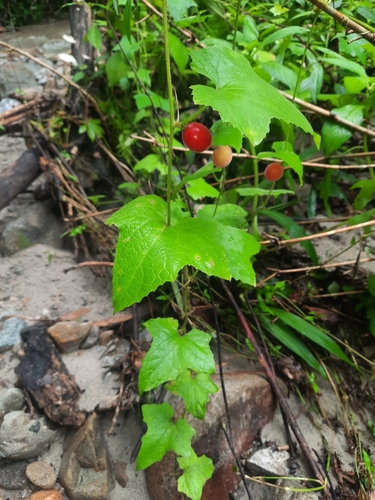
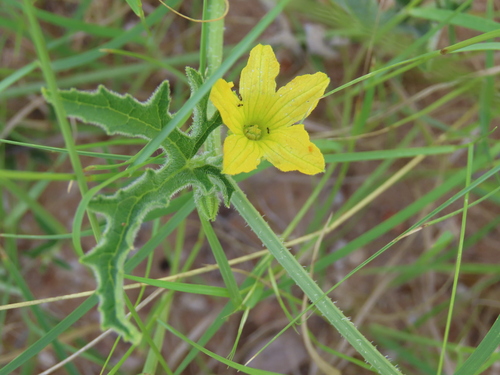
A pumpkin family plant. It is an annual herb. It has a creeping habit with stems lying along the ground. The leaves are thin and hairy. They have lobes. The leaves are 10-18 cm long. The flowers occur singly and male and female flowers are separate but on the same plant. The fruit are oval and yellow. They are 10-12 cm across and 16 cm long. The flesh is firm and white
Edible Uses
The fruit is eaten fresh.
Traditional Uses
Fruit are eaten fresh.
This uses section is brief — help expand it
Distribution
It is a subtropical plant. In Argentina it grows below 200 m above sea level.
Where It Grows
Africa, Argentina, Brazil, Egypt, India*, Iran*, Middle East, North Africa, South America,
Cultivation
Plants are grown from seed.
Production
A fruit can weigh 200 g. Plants take 85-115 days from planting to harvest.
Notes
There are about 25 Cucumis species.
Synonyms
Also Known As
Pocket melon, Queen Anne's-pocket melon
References (7)
- Ann. Sci. Nat. Bot. ser. 4, 11:69. 1859
- Hedrick, U.P., 1919, (Ed.), Sturtevant's edible plants of the world. p 235
- Jardin, C., 1970, List of Foods Used In Africa, FAO Nutrition Information Document Series No 2.p 131
- Leal, M. L. et al, 2018, Knowledge, use, and disuse of unconventional food plants. Journal of Ethnobiology and Ethnomedicine (2018) 14:6
- Lorenzi, H., Bacher, L., Lacerda, M. & Sartori, S., 2006, Brazilian Fruits & Cultivated Exotics. Sao Paulo, Instituto Plantarum de Estuados da Flora Ltda. p 389
Show all 7 references Hide references
- Wiersema, J. H. & Leon, B., 2013, World Economic Plants. A Standard Reference CRC Press. 2nd Ed. p 215
- Yang, Si-Lin and Walters, T. W., 1992, Ethnobotany and the Economic role of the Cucurbitaceae of China. Economic Botany, Vol. 46, No. 4, pp. 349-367