Cucumis melo var. chito
(C. Morren) Naudin
Dudaim melon, Garden-lemon, Mango melon, Melon-apple, Orange melon
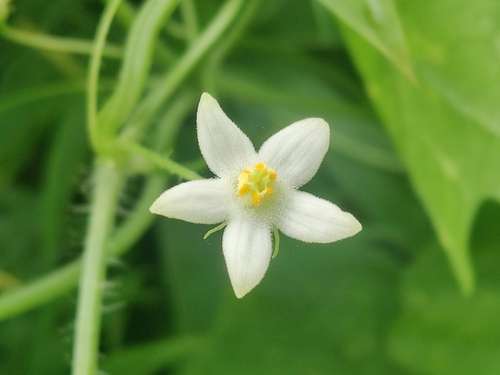
iNaturalist· cc-by-nc
(c) Thinley Dema, some rights reserved (CC BY-NC), uploaded by Thinley Dema
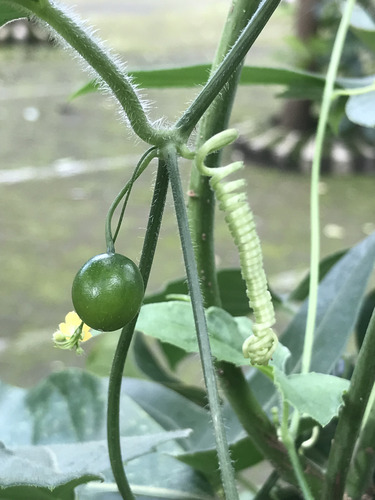
iNaturalist· cc-by-nc
(c) Kelly Kines Crawford, some rights reserved (CC BY-NC), uploaded by Kelly Kines Crawford
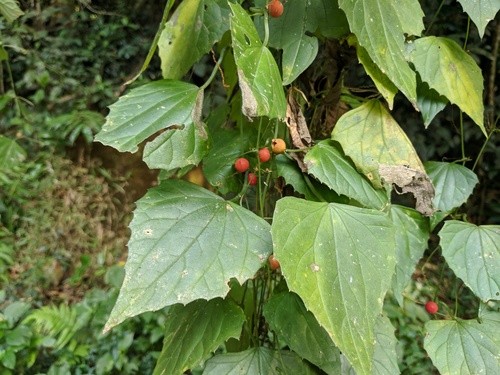
iNaturalist· cc-by-nc
(c) Jon McIntyre, some rights reserved (CC BY-NC), uploaded by Jon McIntyre
Summary
Source: WikipediaCucumis melo, also known as melon, is a species of Cucumis that has been developed into many cultivated varieties. The fruit is a pepo. The flesh is either sweet or bland, with or without an aroma, and the rind can be smooth (such as honeydew), ribbed (such as European cantaloupe), wrinkled (such as Casaba melon), or netted (such as American cantaloupe). The species is sometimes referred to as muskmelon. However, there is no consensus about the usage of this term, as it can also be used as a specific name for the musky netted-rind American cantaloupe, or as a generic name for any sweet-flesh variety such the inodorous smooth-rind honeydew melon. The origin of melons is not known. Research has revealed that seeds and rootstocks were among the goods traded along the caravan routes of the Ancient World. Some botanists consider melons native to the Levant and Egypt, while others place their origin in Iran, India or Central Asia. Still others support an African origin; in modern times, wild melons can still be found in some African countries.
Description
A pumpkin family plant. It is a creeping vine. The fruit is about the size of an orange with a yellow skin and white flesh.
This description is brief — help expand it
Edible Uses
The fruit can be eaten fresh after peeling, made into preserves and marmalade, or pickled when young. The seeds are also edible.
Traditional Uses
The fruit is used for making preserves and marmalade. They can be peeled and eaten fresh. Young fruit are pickled whole.
This uses section is brief — help expand it
Distribution
It is a temperate plant.
Where It Grows
North America, USA,
Other Information
It is a commercially cultivated vegetable.
Notes
There are about 25 Cucumis species.