Peniocereus viperinus
(F. A. C. Weber) Buxb.
iNaturalist· cc-by-nc
(c) comuneroschilac, some rights reserved (CC BY-NC), uploaded by comuneroschilac
iNaturalist· cc-by-nc
(c) Leticia Soriano Flores, some rights reserved (CC BY-NC), uploaded by Leticia Soriano Flores
iNaturalist· cc-by-nc
(c) Leticia Soriano Flores, some rights reserved (CC BY-NC), uploaded by Leticia Soriano Flores
Description
A shrubby cactus. It has several slender branches 3 m long. The stems are hairy. It has divided, fleshy tuberous roots. The flowers are reddish-pink. The fruit are red.
Edible Uses
Fruit - raw. The fruits are pear-shaped.
Distribution
It is a tropical plant. In Mexico it grows between 1,000 to 1,700 m above sea level. It suits hardiness zones 10-11.
Where It Grows
Mexico,
Synonyms
Also Known As
Organito de Vibora
References (2)
- Segura, S. et al, 2018, The edible fruit species in Mexico. Genet Resour Crop Evol (2018) 65:1767–1793
- World Checklist of Useful Plant Species 2020. Royal Botanic Gardens, Kew
More from Cactaceae
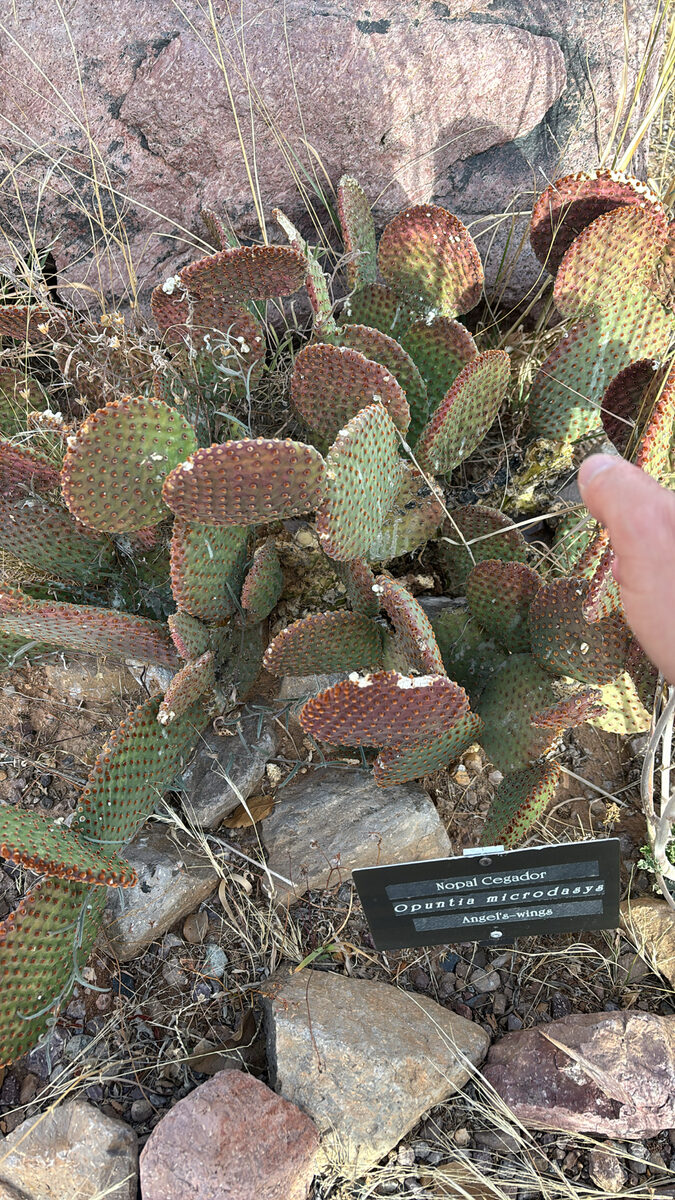
Opuntia microdasys - (Lehm.)Pfeiff.
Bunny Ears, Angel's-wings
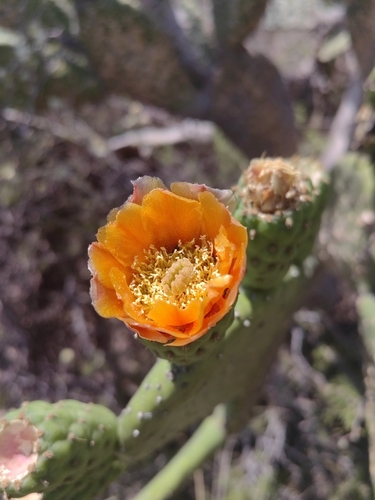
Opuntia paraguayensis
Arumbeva, Arumbe, Palmatoria, Palma
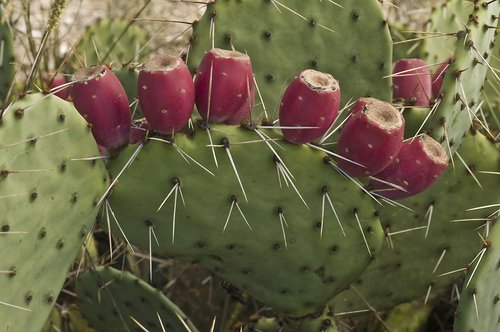
Opuntia phaeacantha var. camanchica
Tulip prickly pear
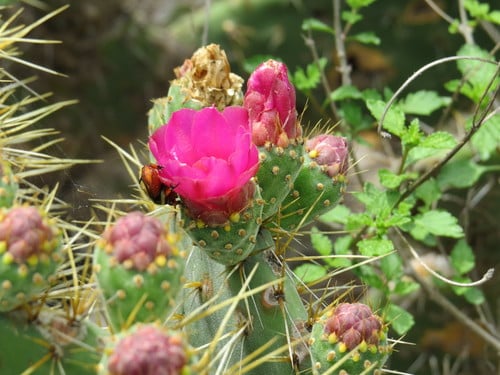
Opuntia pilifera
Nopal
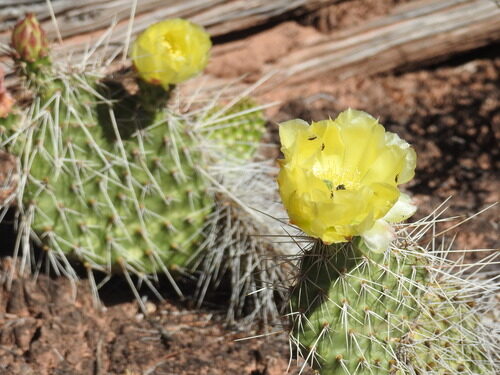
Opuntia polyacantha
Plains Prickly Pear, El Paso pricklypear, Grizzlybear pricklypear, Navajo Bridge pricklypear, Hairsp
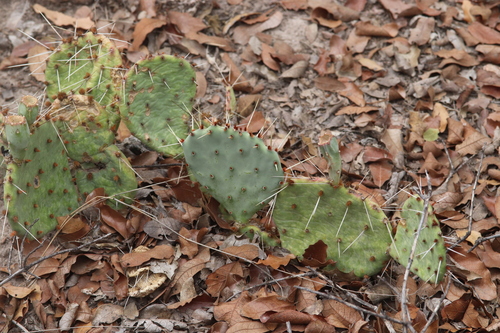
Opuntia pottsii
Prickly pear