Stenocereus queretaroensis
(F. A. C. Weber) Buxbaum
Pitayo of Queretaro
iNaturalist· cc-by-sa
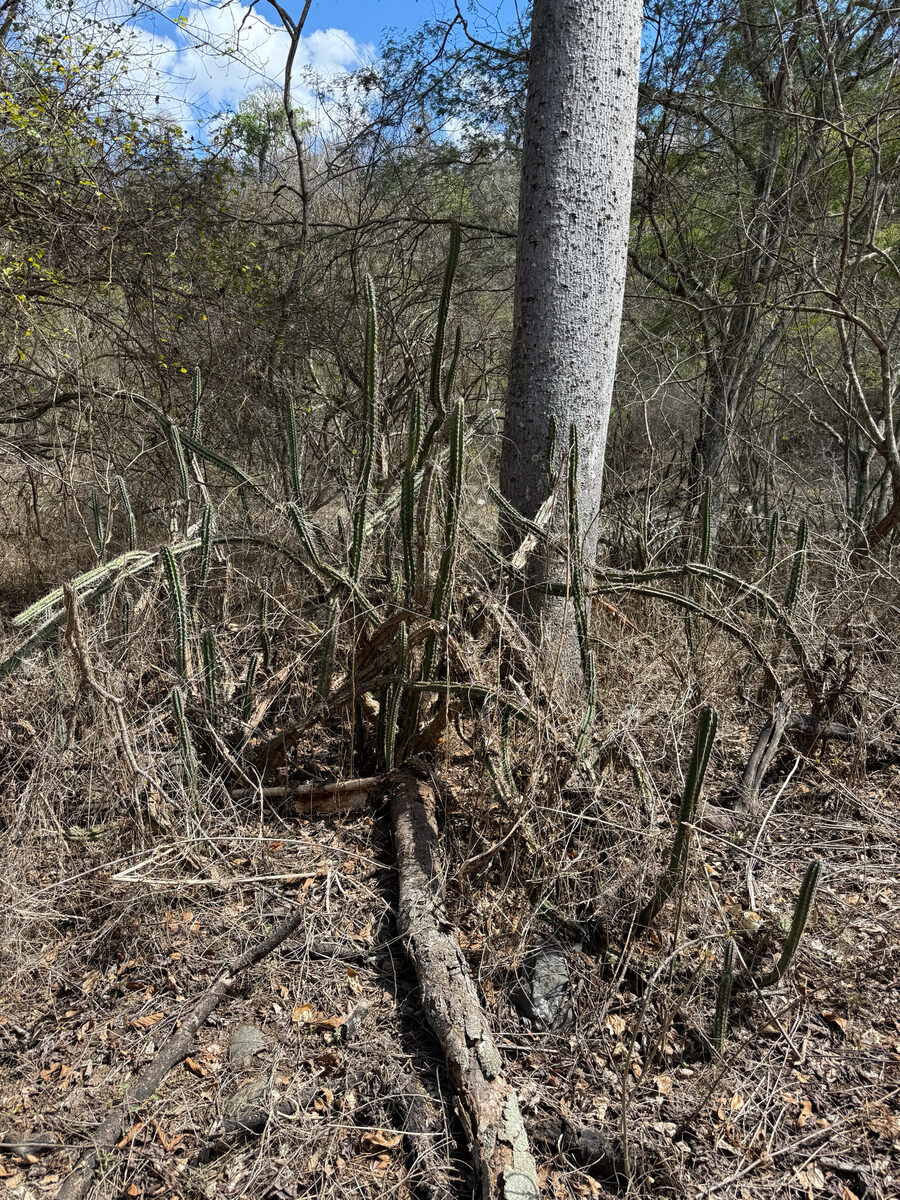
(c) Oscar Alejandro Morales Juárez, some rights reserved (CC BY-SA), uploaded by Oscar Alejandro Morales Juárez
iNaturalist· cc-by-nc
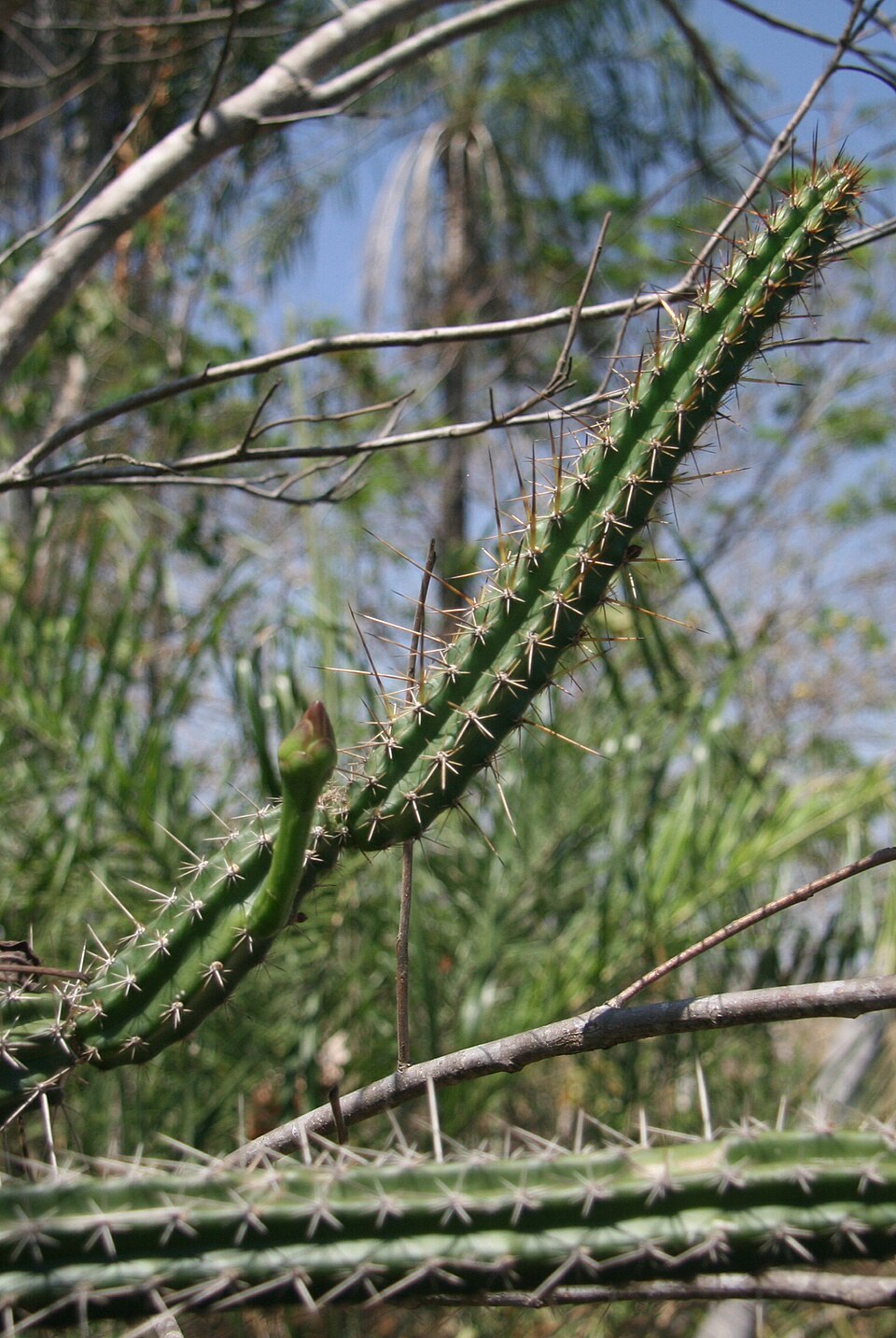
(c) Aarón, some rights reserved (CC BY-NC)
iNaturalist· cc-by-nc
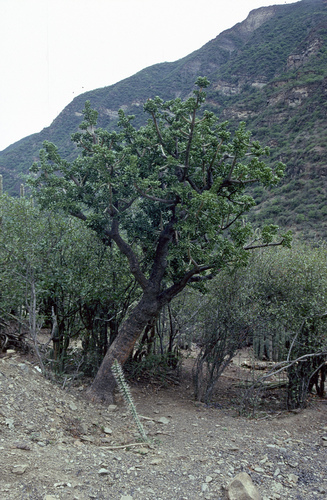
(c) Aimee Bazan, some rights reserved (CC BY-NC)
Summary
Source: WikipediaStenocereus queretaroensis is a species of cactus from Mexico, including the state of Querétaro. It is cultivated for its fruit.
Description
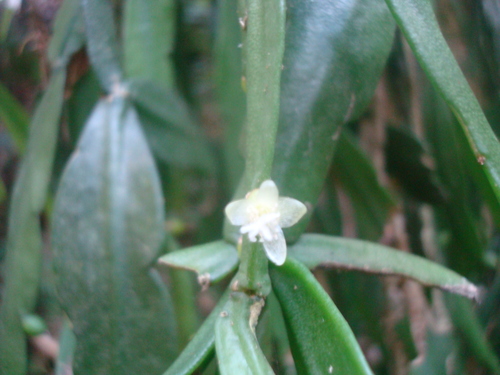
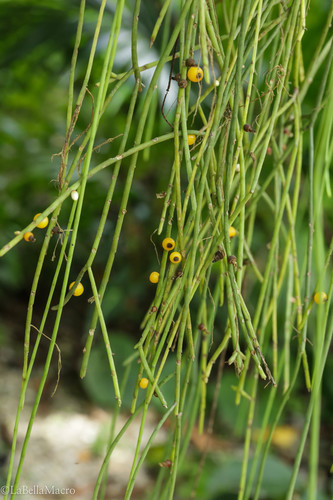
A cactus. It is a treelike plant. It grows 5-6 m high. It has candle like branches. There is a distinct trunk. The stems are green or reddish and 15 cm across. There are 6-8 ribs. There are 1-4 central spines that are unequal with the lower ones longer. They can be 4 cm long. There are 5-9 spines around these and they are white and 1-2 cm long. The flowers are near the top of the stems but at the side. The flowers are open day or night and funnel shaped. They are white and have a scent. The ripe fruit are red. The flesh is red or purple. They are 8 cm long.
Edible Uses
The fruits are eaten. The red fruits are about 6cm in diameter. Immature fruits have spines on them, but these are lost as the fruit ripens.
Distribution
It is a tropical plant. It is cultivated in Jalisco, Michoacan and Queretaro in Mexico.
Where It Grows
Central America, Mexico*, North America,
Cultivation
It is grown from send stem segments.
Propagation
Seed - Cuttings
Other Uses
The skeleton remaining after the plant dies and the flesh is removed is used to manufacture arts and crafts. Frequently planted in Mexico as a living, stock-proof fence along roadsides and around gardens.
Production
Flowering and fruit can start after one year but 10 years are needed for good food production.
Other Information
The fruit are enjoyed. It is a cultivated food plant.
Synonyms
Also Known As
Pitayo dulce, Pitahaya
References (13)
- Anderson, E.F., 2001, The Cactus Family, Timber Press. p 55, 647
- Bot. Stud. 12:101. 1961
- Facciola, S., 1998, Cornucopia 2: a Source Book of Edible Plants. Kampong Publications, p 64 (As Lemaireocereus queretaroensis)
- Fouqué, A. 1972. Espèces fruitières d'Amérique tropicale. Institut français de recherches fruitierès outre-mer (As Lemaireocereus queretaroensis)
- Kermath, B. M., et al, 2014, Food Plants in the Americas: A survey of the domesticated, cultivated and wild plants used for Human food in North, Central and South America and the Caribbean. On line draft. p 478 (As Lemaireocereus queretaroensis)
Show all 13 references Hide references
- Kiple, K.F. & Ornelas, K.C., (eds), 2000, The Cambridge World History of Food. CUP p 1836 (As Lemaireocereus queretaroensis)
- Martin, F. W., et al, 1987, Perennial Edible Fruits of the Tropics. USDA Handbook 642 p 87 (As Lemaireocereus queretaroensis)
- Pimienta-Barrios, E., and Nobel, P. S., 1994, Piyaya (Stenocereus spp., Cactaceae): An Ancient and Modern Fruit Crop of Mexico. Economic Botany, 48(1):76-83
- Pimienta-Barrios, E., et al, 1997, Ethnobotany, Productivity, and Ecophysiology of Pitaya (Stenocereus queretaroensis) J. PACD
- Segura, S. et al, 2018, The edible fruit species in Mexico. Genet Resour Crop Evol (2018) 65:1767–1793
- USDA, ARS, National Genetic Resources Program. Germplasm Resources Information Network - (GRIN). [Online Database] National Germplasm Resources Laboratory, Beltsville, Maryland. Available: www.ars-grin.gov/cgi-bin/npgs/html/econ.pl (10 April 2000)
- Wiersema, J. H. & Leon, B., 2013, World Economic Plants. A Standard Reference CRC Press. 2nd Ed. p 660
- World Checklist of Useful Plant Species 2020. Royal Botanic Gardens, Kew