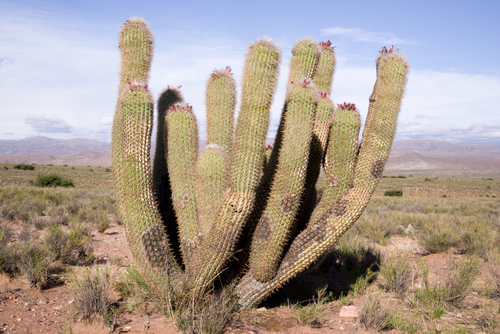
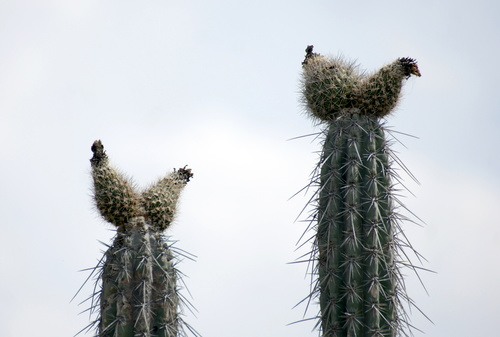
Stenocereus gummosus
(K. Brandegee) A.C. Gibson & K.E. Horak
Dagger cactus, Pitayo agrio, Sour pitaya
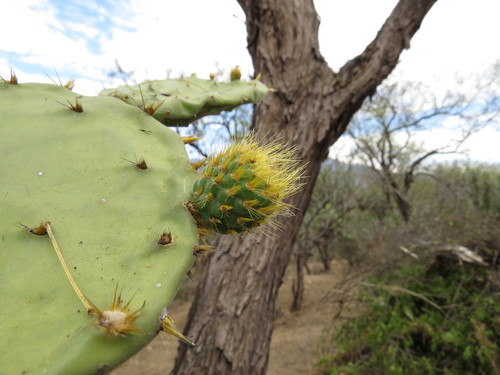
iNaturalist· cc-by
(c) Ken-ichi Ueda, some rights reserved (CC BY), uploaded by Ken-ichi Ueda
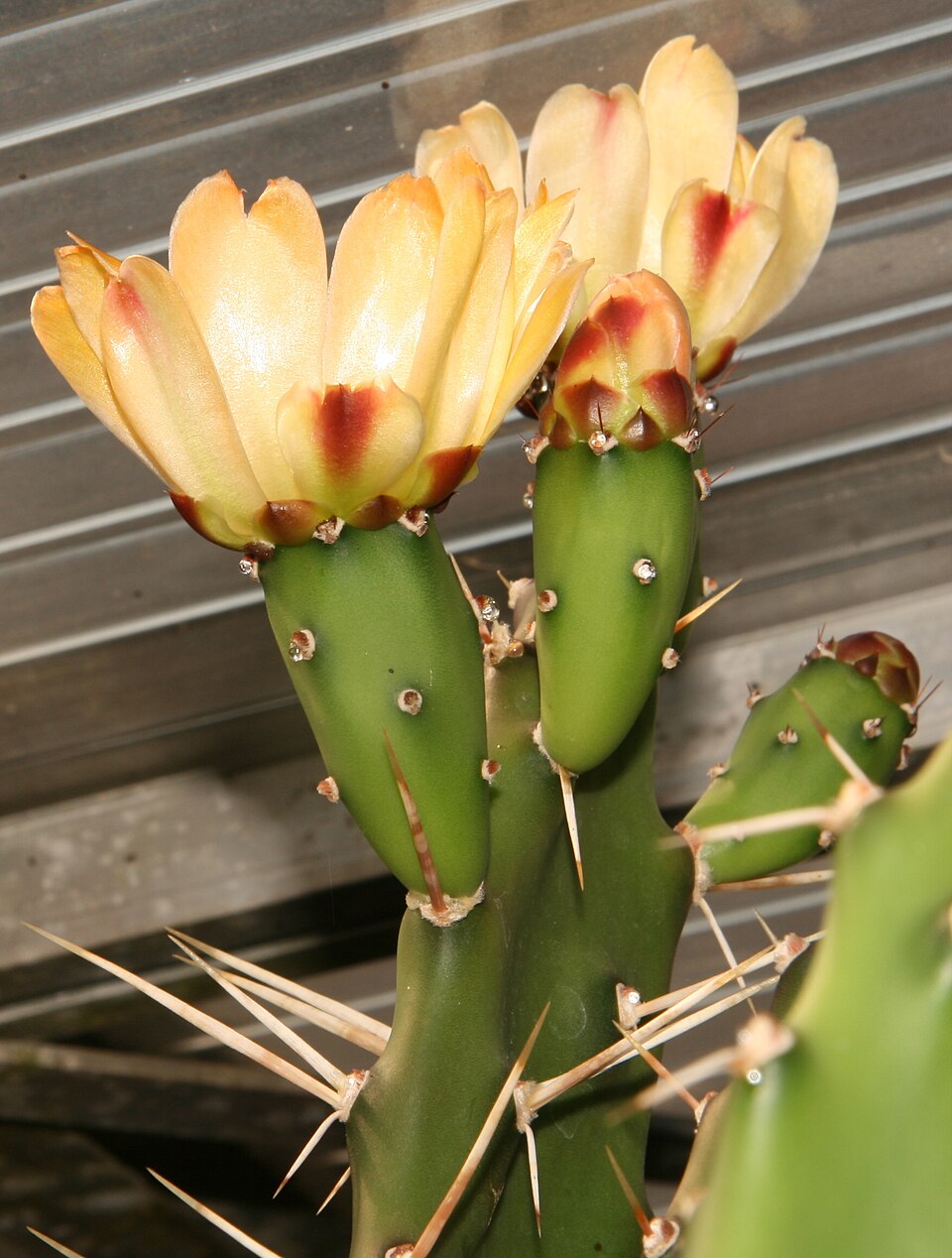
iNaturalist· cc-by
(c) Bill Levine, some rights reserved (CC BY)
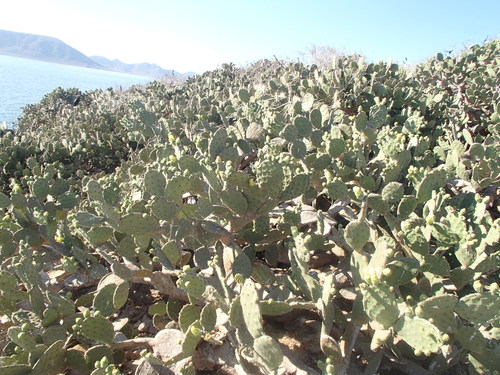
iNaturalist· cc-by
(c) Bill Levine, some rights reserved (CC BY)
Summary
Source: WikipediaStenocereus gummosus is a flowering plant in the family Cactaceae that is found in Baja California, Mexico at elevations of 9 to 134 meters
Description
A cactus. It is a bushy plant. There are several stems. They branch from the ground. It is 1-1.5 m high. The stems are grey-green. They are often sprawling and 3-6 cm across. There are 8-9 ribs. There are 3-9 central spines and these are stout flattened and 4 cm long. There are 8-12 spines around these and they are about 1 cm long but unequal in length. The flowers open at night. They have a narrow tube and spread out at the ends. They are pale purple or pink. They are 10-14 cm long. The seeds are 2.5 mm long.
Edible Uses
Fruit - raw. An agreeable, acid flavour. The bright red, spiny fruit is 6 - 8cm in diameter with a purple flesh. It is used to make a strong wine.
Traditional Uses
The fruit pulp is eaten and made into wine. The seeds are eaten.
This uses section is brief — help expand it
Known Hazards
The sap is toxic, the crushed stems being used to stupefy fish.
Distribution
It is a subtropical plant.
Where It Grows
Mexico, North America, USA,
Cultivation
It is used as a living fence or hedge.
Synonyms
Also Known As
Pitahaya agria
References (8)
- Anderson, E.F., 2001, The Cactus Family, Timber Press. p 55, 645
- Ann. Missouri Bot. Gard. 65:1007. 1979 [ As (Engelm.) A. C. Gibson & K. E. Horak]
- Fouqué, A. 1972. Espèces fruitières d'Amérique tropicale. Institut français de recherches fruitierès outre-me (As Cereus cumengei)
- Kermath, B. M., et al, 2014, Food Plants in the Americas: A survey of the domesticated, cultivated and wild plants used for Human food in North, Central and South America and the Caribbean. On line draft. p 477 (As Lemaireocereus gummosus)
- Pio-Leon, J. F., et al, 2017, Prioritizing Wild Edible Plants of potential new crops based on Deciduous Forest traditional knowledge by a Rancher community. Botanical Sciences 95(1): 47-59
Show all 8 references Hide references
- Segura, S., et al, 2018, The edible fruit species in Mexico. Genet Resour Crop Evol (2018) 65:1767–1793
- World Checklist of Useful Plant Species 2020. Royal Botanic Gardens, Kew
- www.desert-tropicals.com