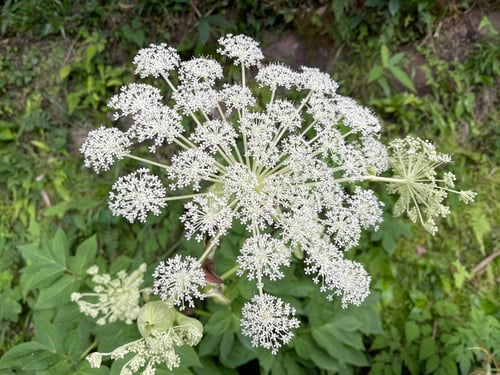
Pleurospermum candollei
(DC.) C. B. Clarke
Apiaceae Edible: Seeds - flavouring
iNaturalist· cc-by-nc
(c) Rajendra Koranga, some rights reserved (CC BY-NC)
iNaturalist· cc-by-nc
(c) Rajendra Koranga, some rights reserved (CC BY-NC)
iNaturalist· cc-by-nc
(c) Rajendra Koranga, some rights reserved (CC BY-NC)
Description
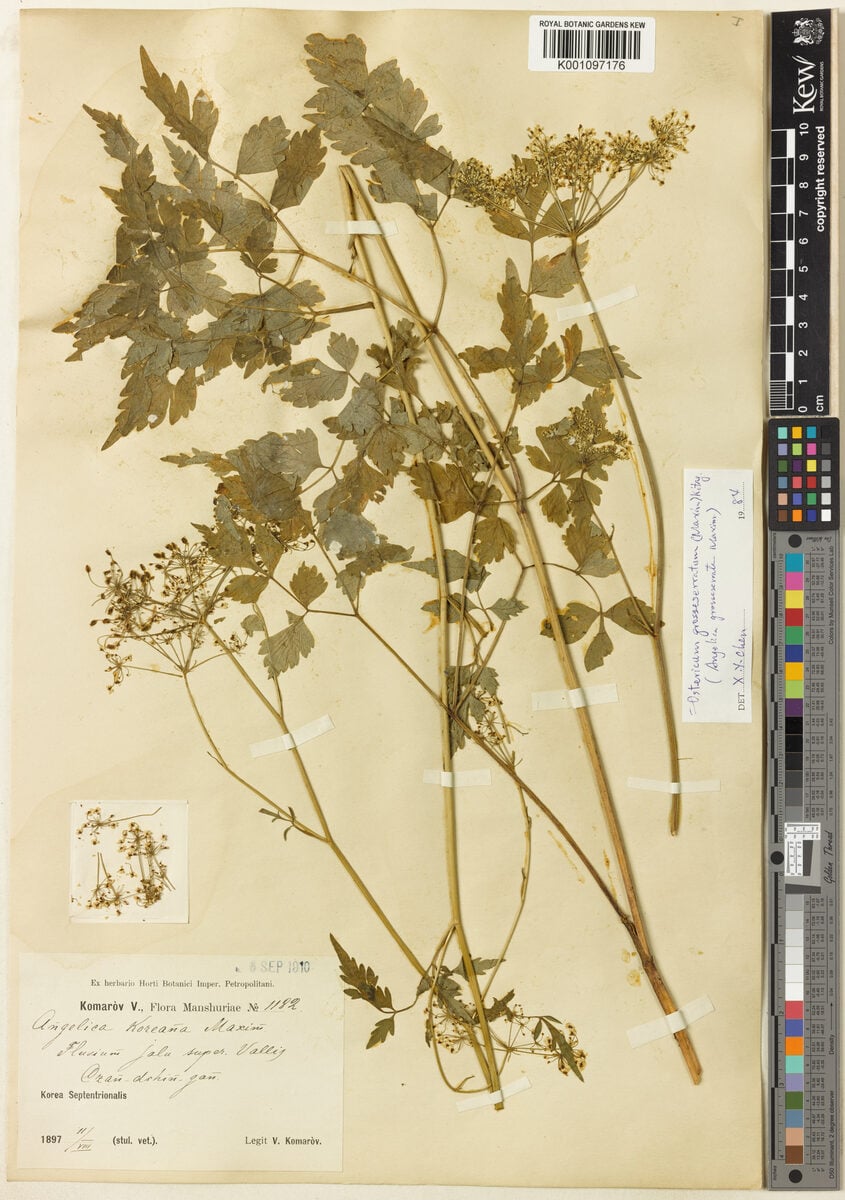
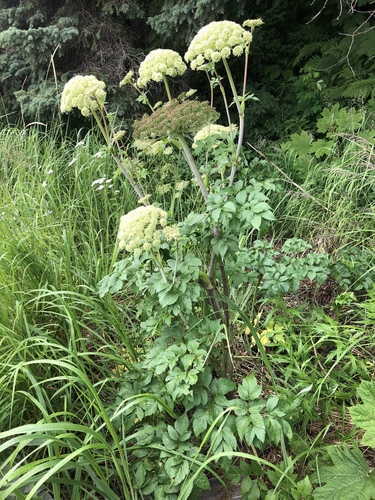
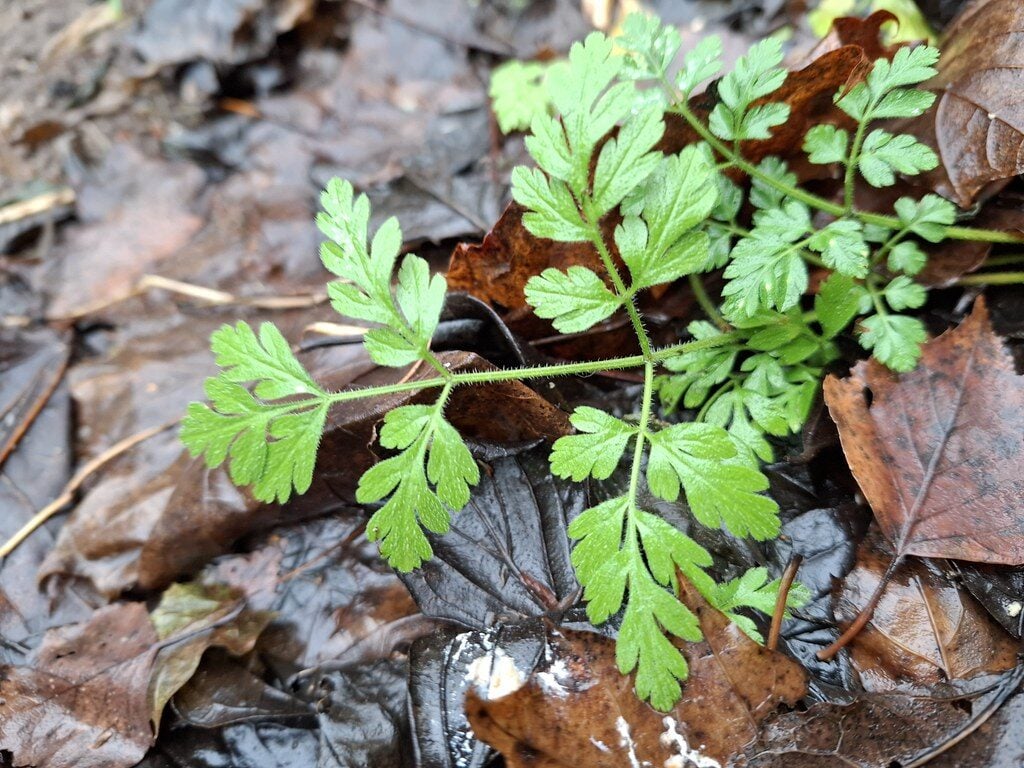
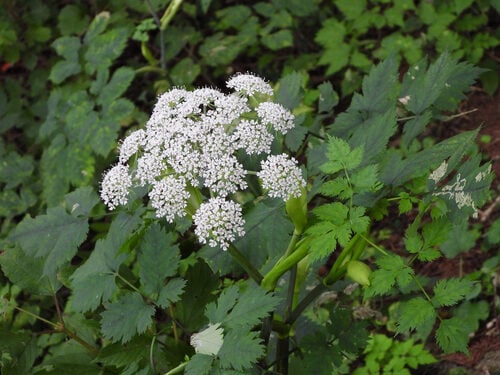
A herb. It grows 10-30 cm tall. It has a thick taproot. The base of the stem is covered with leaf bases. The stem is 1 cm thick. The leaves have opposite leaflets.
Edible Uses
The seeds are boiled and used as a substitute for fennel as a flavoring.
Traditional Uses
The seeds are used as a substitute for fennel. They are boiled.
This uses section is brief — help expand it
Distribution
It is a subtropical plant. In the Himalayas it grows between 3,000-5,000 m above sea level.
Where It Grows
Asia, Himalayas, India, Pakistan,
Synonyms
Hymenolaena candollei DC.
Also Known As
Baandi
References (1)
- Dutt, B., et al, 2011, Ethnobotanical Survey of Plants used by Gaddi Tribe of Bharmour Area in Himachal Pradesh. ENVIS Bulletin: Himalayan Ecology 19, 2011