Osmorhiza depauperata
Phil.
Bluntseed sweetroot, Antenna plant
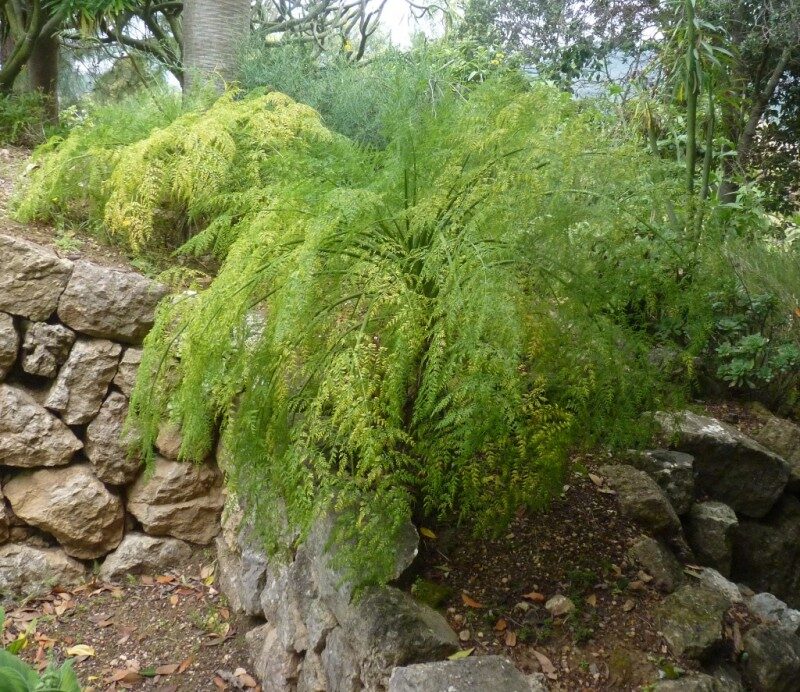
iNaturalist· cc-by-nc
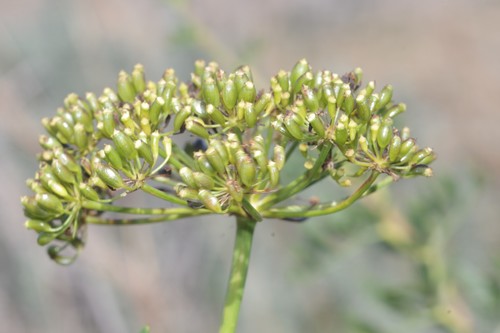
(c) Justin Poon, some rights reserved (CC BY-NC), uploaded by Justin Poon
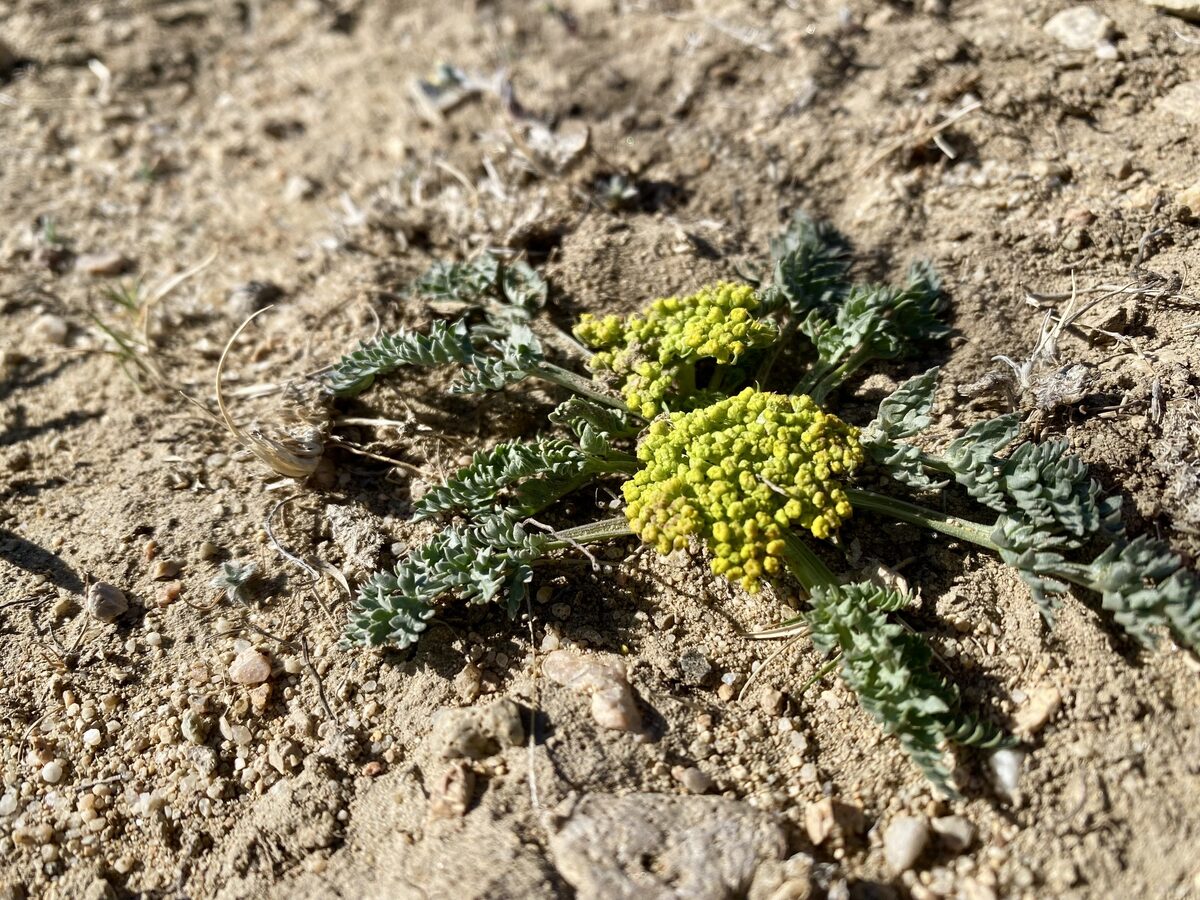
iNaturalist· cc-by-nc
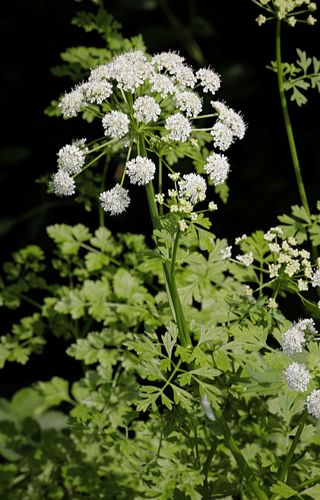
(c) Harvey Yuen, some rights reserved (CC BY-NC), uploaded by Harvey Yuen
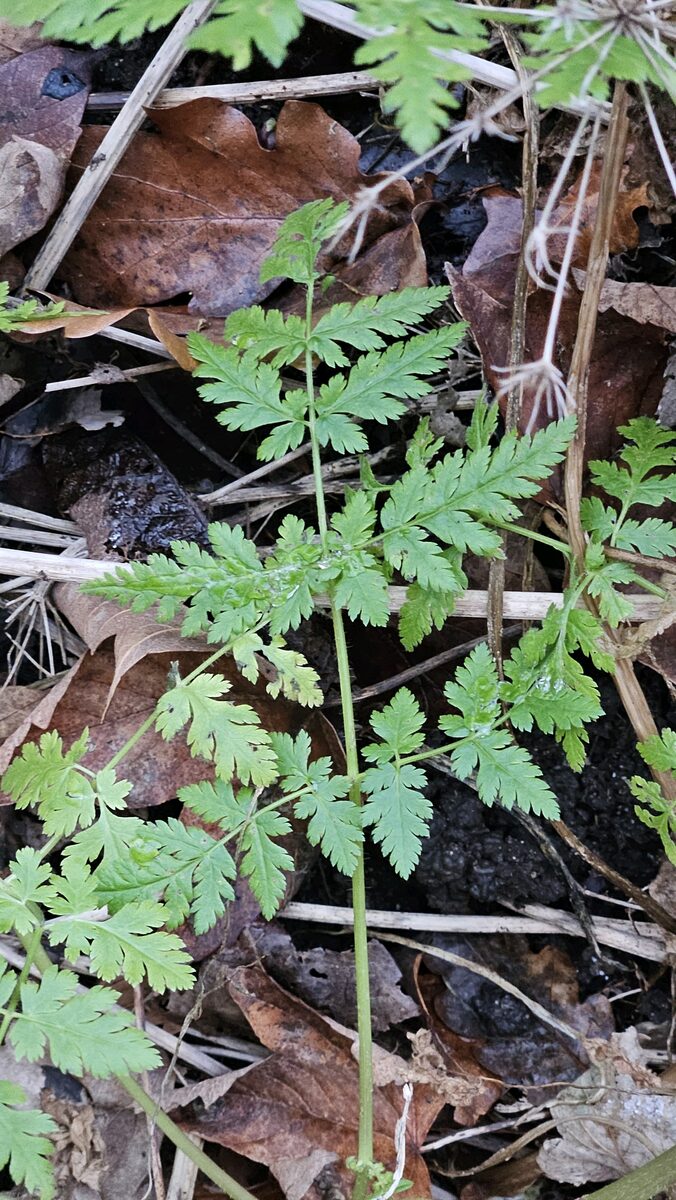
iNaturalist· cc-by-nc
(c) Jack Wilkinson, some rights reserved (CC BY-NC), uploaded by Jack Wilkinson
Summary
Source: WikipediaOsmorhiza depauperata is a species of flowering plant in the carrot family known by the common names bluntseed sweetroot and blunt-fruited sweet-cicely.
Description
A herb. It keeps growing from year to year. It grows 60 cm tall. The root is thick and has a smell. The stems are branching and leafy. The leaves have 3 leaflets and there are teeth along the edge. The flowers are small and white. They occur as a few flowers on equal length stalks. The fruit are club shaped with a pointed tip. They are 1-1.5 cm long.
Edible Uses
The roots and stems are boiled to make a drink and are used to flavour foods.
Traditional Uses
The roots and stems are boiled to make a drink. They are used to flavour foods.
This uses section is brief — help expand it
Distribution
It is a temperate plant. It grows in moist conifer forest bear the timberline in the Rocky Mountains. In Argentina it grows from sea level to 2,500 m above sea level.
Where It Grows
Argentina, Canada, Chile, North America, South America*, USA,
Synonyms
Also Known As
Sweet cicely
References (4)
- Kermath, B. M., et al, 2014, Food Plants in the Americas: A survey of the domesticated, cultivated and wild plants used for Human food in North, Central and South America and the Caribbean. On line draft. p 594
- Moerman, D. F., 2010, Native American Ethnobotany. Timber Press. p 371
- Plants for a Future database, The Field, Penpol, Lostwithiel, Cornwall, PL22 0NG, UK. http://www.scs.leeds.ac.uk/pfaf/ (As Osmorhiza obtusa)
- Porsild, A.E., 1974, Rocky Mountain Wild Flowers. Natural History Series No. 2 National Museums of Canada. p 290 (As Osmorhiza obtusa)