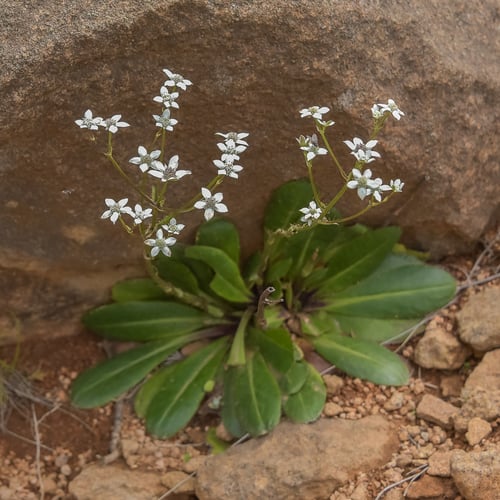
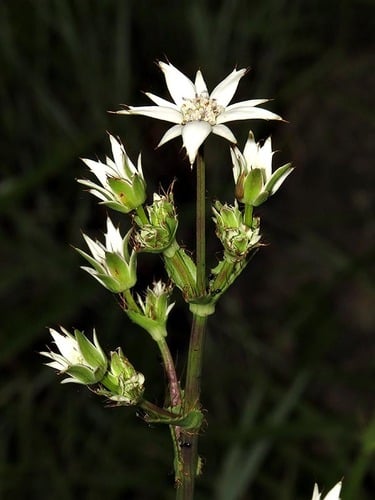
Osmorhiza longistylis
(Torr.) DC.
Longstyle sweetroot
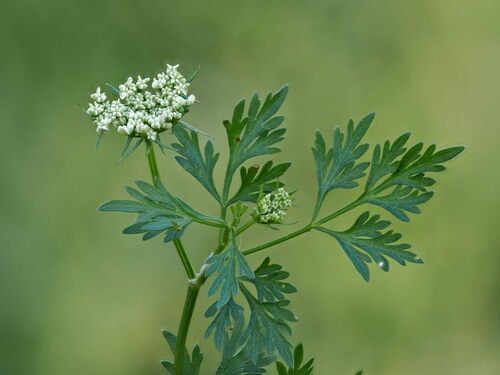
iNaturalist· cc-by-nc
(c) James E Wilson, some rights reserved (CC BY-NC), uploaded by James E Wilson
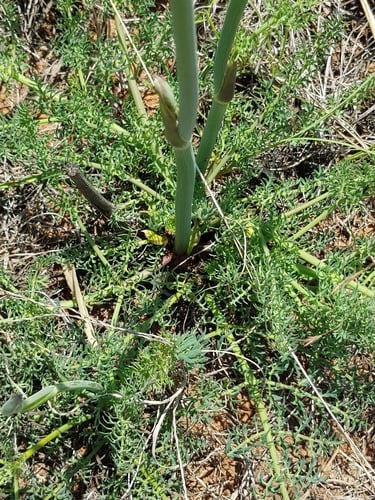
iNaturalist· cc-by-nc
(c) Vail Ryan, some rights reserved (CC BY-NC), uploaded by Vail Ryan
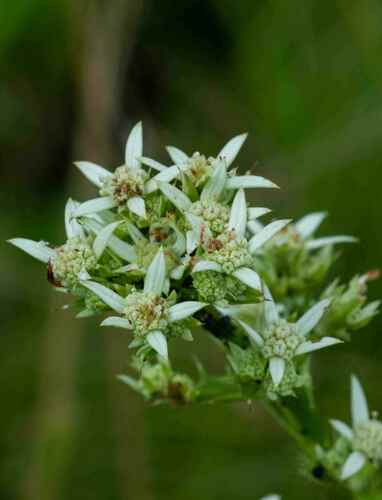
iNaturalist· cc-by-sa
(c) Douglas Goldman, some rights reserved (CC BY-SA), uploaded by Douglas Goldman
Summary
Source: WikipediaOsmorhiza longistylis, commonly called long-styled sweet-cicely or longstyle sweetroot, is an herbaceous plant in the family Apiaceae. It is native to North America, where it is found from the Rocky Mountains east to the Atlantic Coast, in Canada and the United States. Its natural habitat is in forests with fertile soil, often in areas of loam and dappled sunlight. It can be found in areas of high or average quality natural communities, and does not tolerate intense disturbance. It is an herbaceous perennial that grows to two and a half feet tall. It produces umbels of small white flowers in late spring and early summer. The crushed plant has a distinct scent of anise.
Description
Perennial reaching 1.2m tall, hardy to UK zone 6. Hermaphroditic flowers bloom June to July, insect-pollinated and self-fertile. Adapts to light sandy, medium loamy, and heavy clay soils with mildly acidic to mildly alkaline pH. Grows in semi-shade or full sun and prefers moist soil. Aromatic plant.
Edible Uses
The root can be eaten raw or cooked — it is very sweet, aromatic, and fleshy, with a spicy anise-like flavor. Roots are chewed, brewed into a tea, or used as a flavoring. Young leaves and shoots are eaten raw and add an anise flavor to salads. The green seeds also carry an anise flavor and work well as a salad flavoring, while dried seeds can be added to cakes and similar baked goods.
Traditional Uses
The roots are used for flavouring. They are also chewed and made into tea. The leaves and seeds can be added to salads as flavouring. The dry seeds are used in cakes, candies and liqueurs.
Medicinal Uses
A poultice of the roots treats boils and wounds. A root tea is stomachic and has been used for stomach complaints, kidney problems, amenorrhoea, and general debility, as well as to ease childbirth and to bathe sore eyes.
Distribution
It is a temperate plant. It suits hardiness zone 4.
Where It Grows
Canada, Hawaii, North America, USA,
Propagation
Sow seed in a cold frame as soon as it is ripe where possible, otherwise sow in early spring. Once large enough to handle, prick seedlings out into individual pots and grow on in a greenhouse through their first winter. Plant out into permanent positions in late spring or early summer, after the last expected frosts.
Other Uses
The plant is noted for its scent. Used in food forest plantings and as a scented plant.
Also Known As
Anise-root, Smooth sweet-cicely, Sweet myrrh
References (8)
- Facciola, S., 1998, Cornucopia 2: a Source Book of Edible Plants. Kampong Publications, p 21
- Jackes, D. A., Edible Forest Gardens
- Lim, T. K., 2015, Edible Medicinal and Non Medicinal Plants. Volume 9, Modified Stems, Roots, Bulbs. Springer p 61
- MacKinnon, A., et al, 2009, Edible & Medicinal Plants of Canada. Lone Pine. p 291
- Moerman, D. F., 2010, Native American Ethnobotany. Timber Press. p 371
Show all 8 references Hide references
- Plants for a Future database, The Field, Penpol, Lostwithiel, Cornwall, PL22 0NG, UK. http://www.scs.leeds.ac.uk/pfaf/
- Prodr. 4:232. 1830
- Tanaka,